
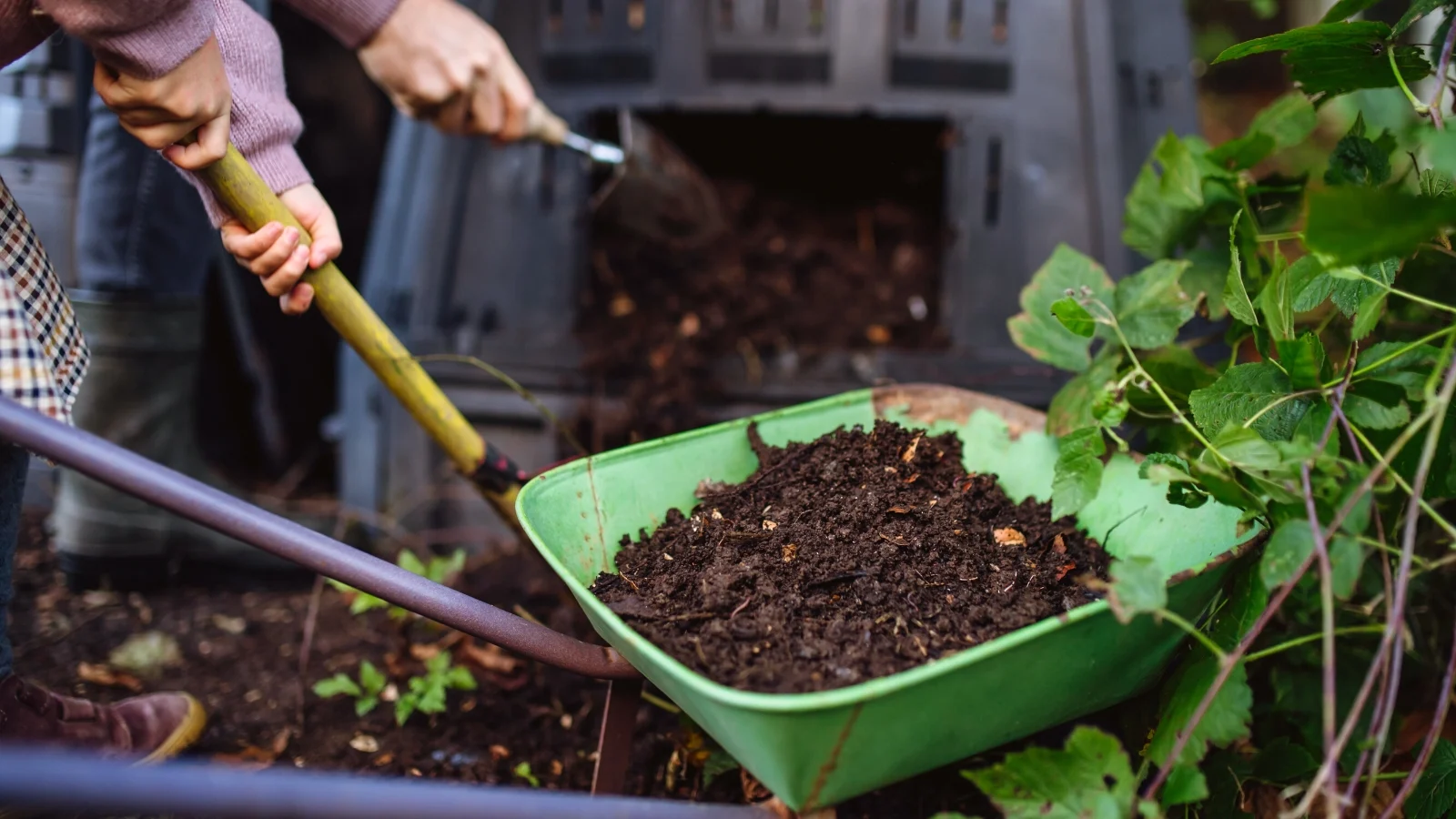


Composting is one of the easiest and most affordable ways to improve your apartment garden while reducing kitchen waste. Even in small urban spaces, a simple balcony compost setup can turn fruit peels, vegetable scraps, and dry waste into nutrient-rich fertiliser for plants.
The best part? It requires very little space and can easily become part of your daily routine.
Why Composting Is Great For Apartment Gardeners
Composting helps:
- Reduce household waste
- Improve soil quality naturally
- Support healthier plant growth
- Save money on fertilisers
- Promote eco-friendly living
For beginner gardeners, it is also an easy step towards more sustainable gardening practices.
Choosing The Right Compost Bin
Start with a small, closed container or plastic bin that fits comfortably on a balcony or utility area.
Setup Tips:
- Drill small holes on the sides and bottom for airflow
- Place the bin on a tray to collect excess moisture
- Keep it in a shaded area away from direct sunlight and rain
- Ensure the lid closes properly to avoid pests and odours
Understanding “Greens” And “Browns”
Successful composting depends on balancing two types of materials.
Greens (Nitrogen-Rich Waste)
These include:
- Vegetable peels
- Fruit scraps
- Coffee grounds
- Tea leaves
- Crushed eggshells
Browns (Carbon-Rich Waste)
These include:
- Dry leaves
- Shredded newspaper
- Cardboard pieces
- Paper towels
A healthy compost mix needs both greens and browns for proper decomposition.
What You Should Avoid Adding
Do not add:
- Meat or fish scraps
- Dairy products
- Oily or greasy food
- Strong spices
- Large amounts of cooked food
These can create bad smells and attract insects or pests.
Make Composting A Daily Habit
Keep a small bowl or jar in your kitchen to collect daily food scraps.
Every day or two:
- Empty the scraps into the compost bin
- Cover them with a layer of browns
- Stir the compost gently every few days to improve airflow
This helps speed up decomposition and keeps the compost odour-free.
How To Know Your Compost Is Ready
After a few weeks, the compost will:
- Turn dark brown
- Become crumbly like soil
- Develop an earthy smell
- Lose visible food scraps
Once it reaches this stage, it is ready to use.
How To Use Homemade Compost
You can:
- Mix it into potting soil
- Add a thin layer on top of plant pots
- Use it as a natural fertiliser for balcony plants
Homemade compost improves soil nutrients and helps plants retain moisture better.