
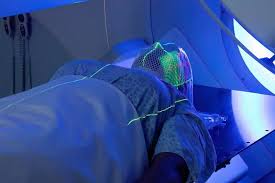


The landscape of oncology is shifting. While survival remains the ultimate goal, modern medicine is increasingly focusing on the quality of life during and after treatment. Leading this charge is Cryoablation, commonly known as “Freeze Therapy”—a minimally invasive innovation that offers a smarter, gentler alternative to traditional surgery.
What is Freeze Therapy?
Cryoablation is a procedure that uses extreme cold to destroy malignant cells. Unlike traditional surgery that requires large incisions, this method is highly precise:
- The Process: Interventional radiologists insert thin, wand-like needles directly into a tumor.
- The Mechanism: Specialized gases are circulated through the needles to create an “ice ball,” freezing the tumor and killing the cancer cells instantly.
- The Advantage: It selectively targets the diseased tissue, leaving the surrounding healthy organ largely untouched.
🏥 Real-World Success: Saving a Lone Kidney
The power of cryoablation is best illustrated by complex cases where surgery is too risky. At Manipal Hospital, Bengaluru, a 48-year-old patient with a single remaining kidney faced a new tumor.
- The Challenge: A traditional surgery risked total kidney failure, which would have meant a lifetime of dialysis.
- The Solution: A multidisciplinary team led by Dr. Rajesh Helavar and Dr. Ajay Shetty opted for cryoablation.
- The Outcome: The tumor was destroyed with extreme cold, preserving the kidney’s function and allowing the patient to maintain his independence and health without major surgical trauma.
🌟 Why It’s a Game Changer
Freeze therapy is becoming a preferred option for tumors in the kidneys, liver, and lungs due to several patient-centric benefits:
- Minimal Recovery Time: Most patients experience significantly less post-procedural pain and shorter hospital stays.
- Preservation of Function: Because it is so precise, it helps maintain the vital functions of the organs being treated.
- Independence: It allows patients to return to their daily routines much faster than conventional “open” surgeries.
The Bottom Line: The future of cancer care is not just about adding years to life, but adding life to years. Innovations like cryoablation prove that we can treat the disease while respecting the patient’s need for a functional, dignified lifestyle.