
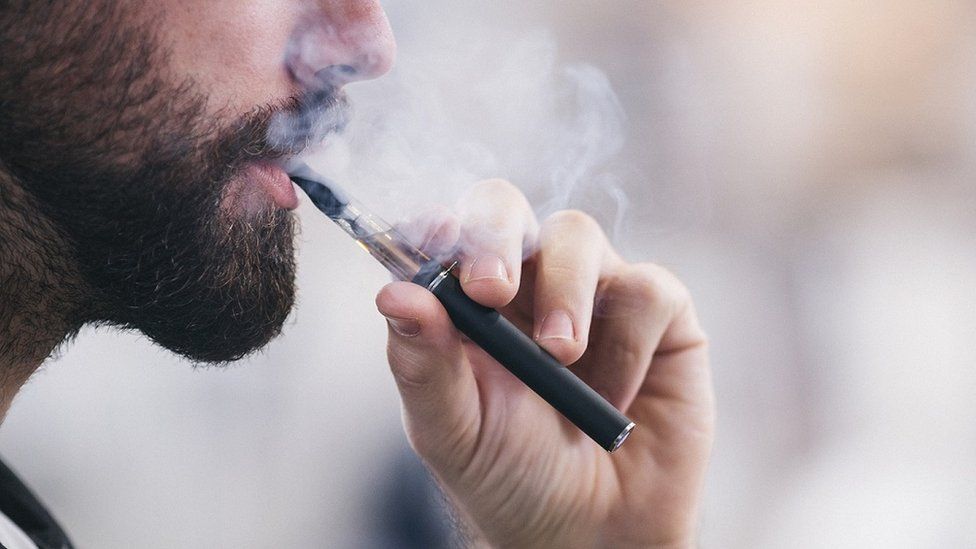


For years, vaping has been marketed as a “harmless” alternative to traditional cigarettes. However, oncologists are now raising red flags, warning that the aerosolized chemicals in e-cigarettes may be creating a fertile ground for oral cancer.
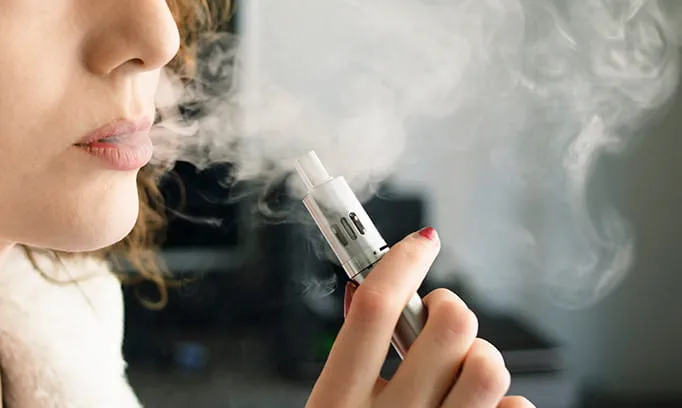
As of April 19, 2026, medical experts are emphasizing that “less harmful” does not mean “safe,” especially regarding the delicate tissues of the mouth.
The Chemistry of the “Vapor”
Contrary to popular belief, e-cigarettes do not produce water vapor. They produce an aerosol that makes direct contact with the tongue, gums, and inner cheeks.
- Harmful Ingredients: Aerosols contain nicotine, chemical flavorings, and heavy metals.
- Carcinogenic Potential: Many of these additives are known irritants that can become carcinogenic when heated and inhaled.
- Cellular Changes: Dr. Shubhra Chauhan Aramanai (Senior Consultant, Gleneagles Fortis Hospital) notes that vaping causes inflammation and changes in the cells lining the oral cavity—the early markers of cancer development.
⚠️ The Danger of “Dual Use”
A concerning trend identified by experts is dual use, where individuals use both traditional cigarettes and vapes.
- Compounded Risk: Instead of reducing harm, this habit exposes the oral cavity to a wider variety of toxic substances.
- Healing Delays: Frequent vapers often report that small mouth wounds or ulcers take significantly longer to heal, which is a classic warning sign of potential malignancy.
🚩 Early Warning Signs in the Mouth
Oral cancer often starts “quietly.” Vapers are urged to look out for these subtle changes:
- Persistent Dryness: Nicotine reduces saliva flow, creating an acidic, unhealthy environment.
- Gum Sensitivity: Recurring irritation or bleeding without a clear cause.
- Unexplained Patches: Small white or red patches (leukoplakia or erythroplakia) that do not disappear.
- Persistent Ulcers: Any sore that lasts longer than two weeks.
🩺 Expert Verdict: The Long-Term Outlook
Because vaping is a relatively modern phenomenon, the full scale of its cancer-causing potential is still being mapped. Cancers typically take decades to develop, meaning the “vaping generation” is only now entering the window where long-term effects become visible.
“Medicine is not only about waiting for proof; it is about recognizing warning signs early. For someone who has never smoked, starting vaping is an unnecessary risk.” — Dr. Shubhra Chauhan Aramanai