
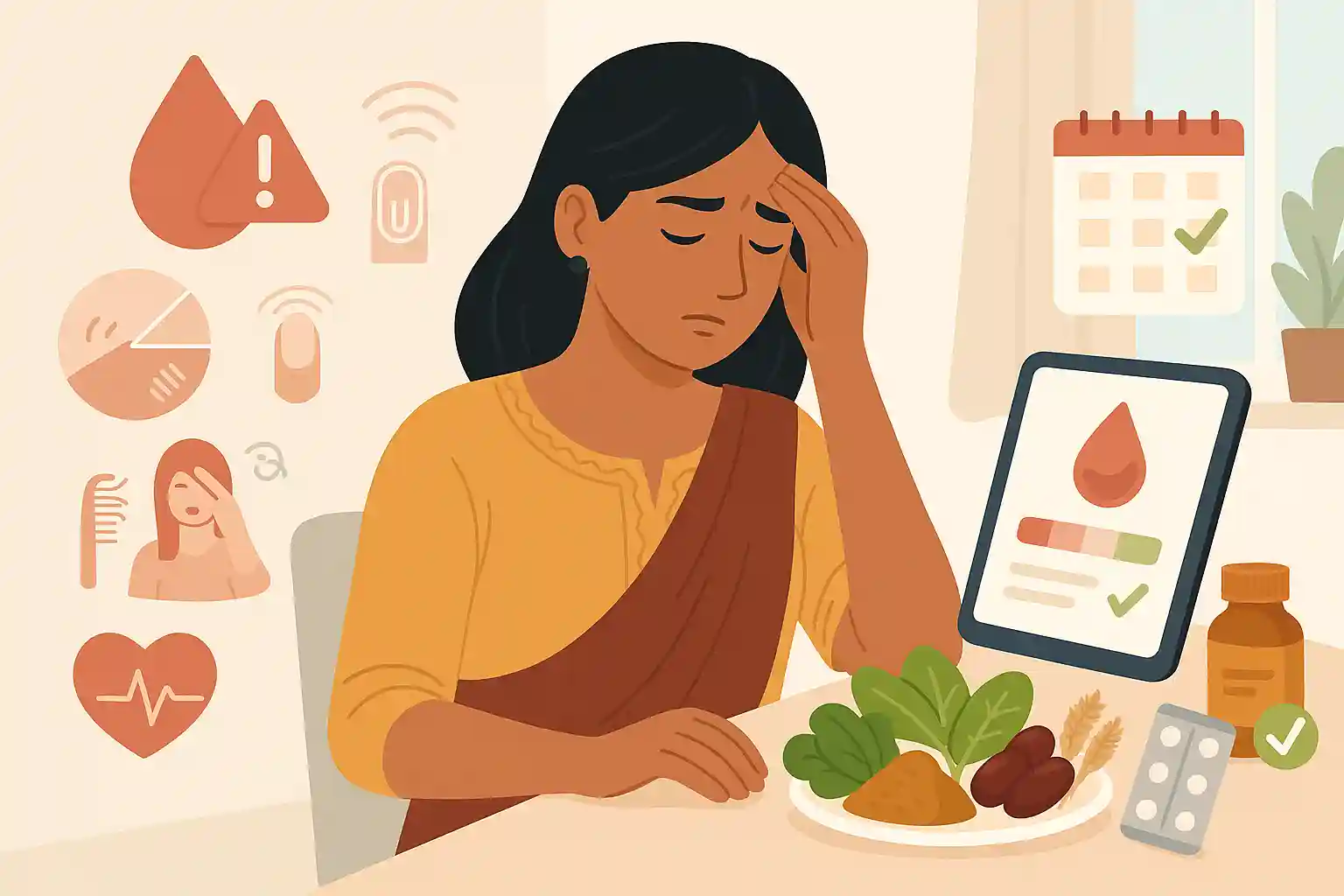


Feeling tired all the time, getting breathless after climbing a few stairs or struggling with low energy are symptoms many people associate with low haemoglobin. As a result, it is common for individuals to assume they are iron deficient and begin taking iron supplements without consulting a doctor. However, health experts warn that low haemoglobin can have several underlying causes, and self-treatment may sometimes do more harm than good.
A recent case highlights why proper diagnosis is crucial before starting any treatment.
A Common Mistake With Unexpected Consequences
Twenty-eight-year-old Priya Sharma, a human resources professional from Gurugram, began experiencing persistent fatigue and exhaustion for several months. A routine health check-up revealed that her haemoglobin levels were below normal.
Assuming iron deficiency was the cause, Priya purchased over-the-counter iron supplements and started taking them daily without seeking medical advice.
Initially, she believed she was addressing the problem. However, within weeks, she developed severe constipation, nausea and stomach discomfort.
Despite continuing the supplements, her energy levels did not improve, and her symptoms became increasingly troublesome.
The Real Cause Was Something Else
Concerned by the lack of improvement, Priya eventually consulted a doctor and underwent further testing.
The results revealed that her low haemoglobin was not caused by iron deficiency. Instead, she was suffering from a vitamin B12 deficiency along with borderline thyroid-related issues.
Because iron was not the underlying problem, the supplements provided no benefit and only worsened her digestive discomfort.
Her experience serves as a reminder that low haemoglobin is a symptom, not a diagnosis.
What Does Low Haemoglobin Mean?
Haemoglobin is a protein found in red blood cells that carries oxygen throughout the body. When haemoglobin levels fall below normal, a condition known as anaemia develops.
Common symptoms include:
- Fatigue
- Weakness
- Dizziness
- Pale skin
- Shortness of breath
- Low energy levels
Normal haemoglobin levels generally range between:
- 13.5–17.5 g/dL for men
- 12.0–15.5 g/dL for women
Causes Of Low Haemoglobin
Doctors explain that iron deficiency is only one of many possible causes of anaemia.
Other causes may include:
Vitamin Deficiencies
- Vitamin B12 deficiency
- Folate deficiency
Chronic Diseases
- Chronic kidney disease
- Cancer
- Inflammatory bowel disease
- Thyroid disorders
- Liver disease
Blood Loss
- Heavy menstrual bleeding
- Stomach ulcers
- Gastrointestinal bleeding
- Injury or trauma
Genetic Conditions
- Thalassemia
- Sickle cell anaemia
Identifying the exact cause is essential before starting treatment.
Why Self-Prescribing Iron Can Be Risky
While iron supplements are highly effective for confirmed iron deficiency, they may cause unnecessary side effects when taken without medical supervision.
Potential side effects include:
- Constipation
- Nausea
- Abdominal pain
- Vomiting
- Digestive discomfort
In rare cases, excessive iron accumulation may damage organs such as the liver.
What To Do If Your Haemoglobin Is Low
Health experts recommend consulting a healthcare professional if blood tests show low haemoglobin levels.
A doctor may:
- Review your medical history
- Order additional blood tests
- Check vitamin levels
- Investigate underlying illnesses
- Recommend appropriate treatment
Depending on the cause, treatment may involve dietary changes, vitamin supplementation, medications or management of an existing health condition.
The Takeaway
Low haemoglobin should never be automatically assumed to be iron deficiency. While anaemia is common, its causes can vary widely, and the wrong treatment may delay diagnosis and worsen symptoms.
Experts emphasise that proper medical evaluation is the safest and most effective way to identify the underlying cause and receive appropriate treatment. Self-medication may seem convenient, but when it comes to low haemoglobin, an accurate diagnosis is the first step toward recovery.