
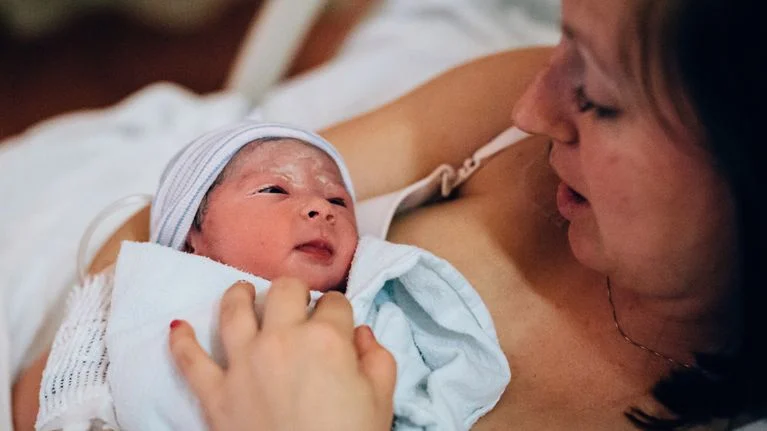


Bringing a baby into the world through a Caesarean section is a deeply emotional experience, but it also requires careful physical recovery. Since it is a major surgery, healing takes time, patience, and proper care. Along with adjusting to life with a newborn, new mothers must also focus on their own well-being during the weeks that follow.
Understanding what to expect can make the recovery process smoother and less overwhelming.
The First Few Days: Gentle Movement and Rest
The initial days after a C-section can be physically challenging. Pain around the incision, fatigue, and limited mobility are common. Taking prescribed medication on time helps manage discomfort and allows for gentle movement.
Even light activity, such as short walks within your room, can improve blood circulation and support healing. While rest is essential, small movements prevent stiffness and reduce the risk of complications.
Caring for the Incision
Proper care of the surgical wound is crucial. Keeping the incision clean and dry helps prevent infection. Wearing loose, soft clothing can avoid irritation and promote comfort.
It’s important to watch for warning signs like redness, swelling, unusual discharge, or fever. If any of these occur, seeking medical advice promptly is necessary to avoid complications.
Prioritising Rest Without Guilt
Rest plays a central role in recovery, even though it can be difficult with a newborn. Sleeping when the baby sleeps—even for short durations—can help the body heal faster.
Support from family or friends can make a significant difference. Accepting help with daily tasks or baby care allows new mothers to recover more effectively without feeling overwhelmed.
Nutrition and Hydration for Healing
A balanced diet is essential for recovery. Foods rich in protein, vitamins, and minerals help repair tissues and restore strength. Including fibre-rich foods can prevent constipation, a common issue after surgery.
Staying hydrated is equally important, especially for mothers who are breastfeeding, as the body requires additional fluids during this period.
Emotional Well-being Matters
Recovery is not just physical—it’s emotional too. Hormonal changes, combined with exhaustion, can lead to mood swings, anxiety, or feelings of sadness.
Talking openly with a trusted person can help ease emotional stress. If feelings become intense or persistent, seeking professional support is an important step toward overall well-being.
Breastfeeding After a C-Section
Breastfeeding can take some adjustment after surgery, particularly due to sensitivity around the incision. Finding comfortable positions—such as side-lying or positions that avoid pressure on the abdomen—can make the process easier.
With time and patience, both mother and baby gradually adapt, making feeding more comfortable.
Gradual Return to Routine
Healing after a Caesarean section does not happen instantly. While many mothers begin to feel better within a few weeks, complete recovery can take longer.
Avoid lifting heavy objects or engaging in strenuous activities until cleared by a doctor. Listening to your body is key—progress at your own pace without rushing the process.
A Journey of Healing and Bonding
Every recovery journey is different, and it’s important to approach it with patience and self-care. With proper rest, nutrition, and support, the body gradually heals.
During this time, focusing on bonding with your baby while taking care of your own health can make the experience more fulfilling and less stressful.