
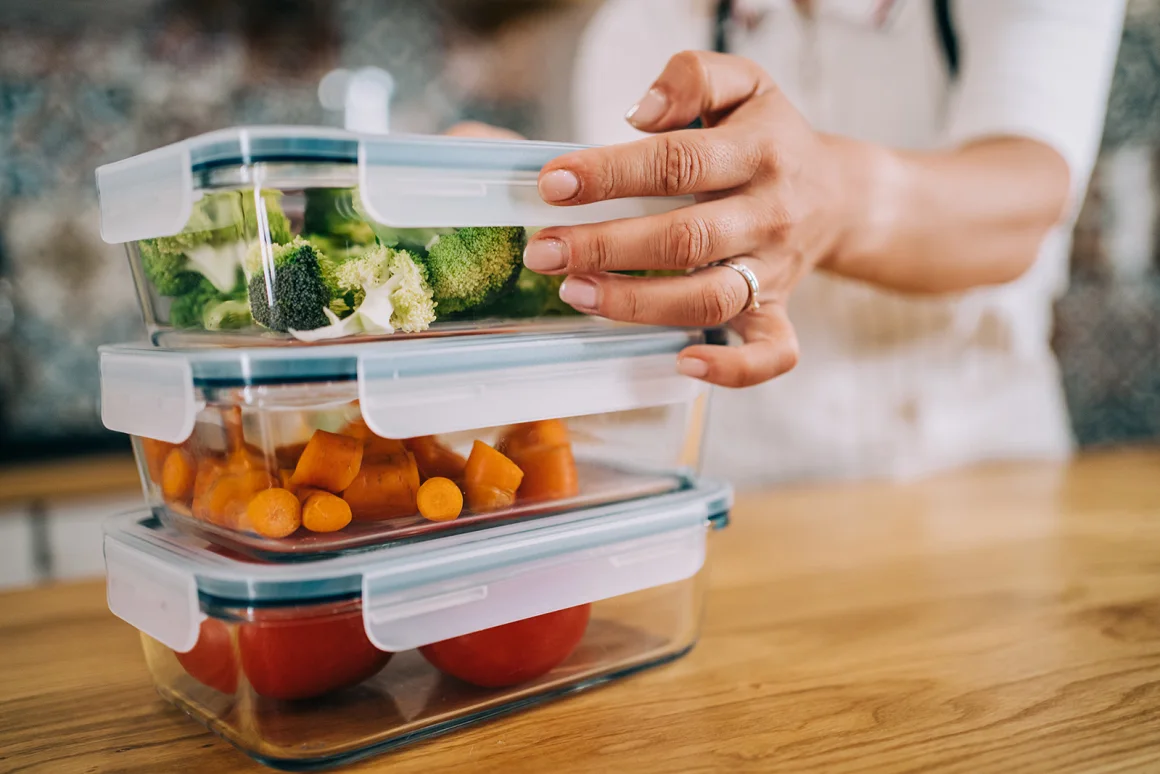


NEW DELHI – Emerging research highlights a growing health concern: the unintentional consumption of microplastics. These tiny plastic particles, often invisible to the naked eye, are infiltrating our food chain through everyday kitchen habits and packaging. Recent studies suggest that microplastics may even disrupt bone strength and density over long-term exposure.
Fortunately, reducing your intake doesn’t require a complete lifestyle overhaul. Here are five common ways microplastics enter your diet and practical swaps to secure your kitchen.
1. The Water Source: Bottled vs. Filtered
Water is a primary source of microplastic exposure. Bottled water often contains higher particle counts due to bottle degradation and cap friction.
- The Fix: Transition to filtered tap water. Using a high-quality carbon filter and storing water in glass or stainless steel bottles is significantly safer than reusing single-use plastic bottles, which shed more particles over time.
2. Storage Containers: The Reusage Risk
Old, scratched, or warped plastic containers are “shedding” hazards. Heat, oils, and acids accelerate the breakdown of these surfaces.
- The Fix: You don’t need to purge your kitchen instantly. Start by replacing cloudy, cracked, or warped plastic with glass or stainless steel. Prioritize replacing containers used for acidic or oily foods first.
3. The Microwave Trap
Microwaving in plastic is one of the fastest ways to release nanoplastics into your meal. Even “microwave-safe” plastics can shed particles when exposed to high heat.
- The Fix: Always transfer leftovers to ceramic or glass dishes before reheating. Similarly, swap plastic-lined disposable cups for ceramic mugs when enjoying hot tea or coffee.
4. Damaged Cookware and Utensils
Scratched non-stick pans, peeling plastic spatulas, and deeply grooved plastic chopping boards act as direct delivery systems for microplastics into your stir-fry or salad.
- The Fix: Replace damaged tools with stainless steel, cast iron, or wooden alternatives. Focus on replacing visibly peeling or flaking items as they wear out to reduce direct contamination during food prep.
5. Ultra-Processed vs. Fresh Foods
The more a food item is processed, the more machinery and plastic packaging it touches, increasing the likelihood of contamination.
- The Fix: Opt for fresh, whole ingredients. Washing your rice, produce, and meat can also help remove surface-level particles. Cooking at home with fresh produce not only reduces plastic exposure but improves overall nutritional intake.