

)
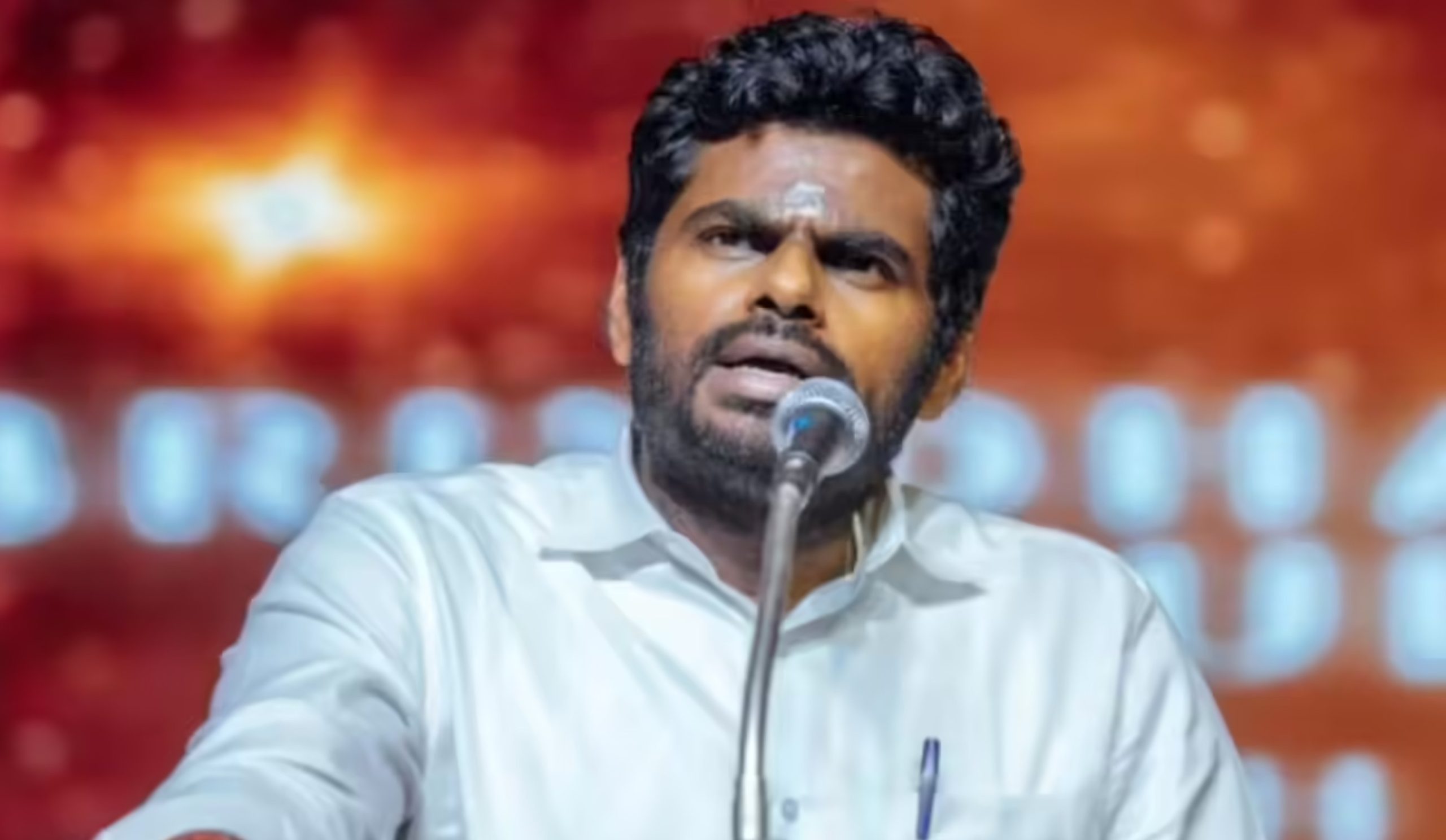
Former Tamil Nadu BJP president K. Annamalai has announced a new political initiative called “We the Leaders” shortly after resigning from the Bharatiya Janata Party (BJP).
The former IPS officer said the platform aims to promote what he calls “common man politics,” focusing on public participation, leadership development, and community-driven governance.
According to Annamalai, the movement is built around ideas rather than individuals. He emphasized that it would move away from personality-based politics and reject practices such as sycophancy and dynastic influence.
What Is ‘We the Leaders’?
The newly launched platform describes itself as a governance and leadership movement rooted in conscious leadership, community engagement, and data-driven decision-making.
Its approach revolves around a concept called the “Conscious Constituency Approach.” The initiative focuses on several key areas, including:
- Community engagement
- Sustainable Development Goals (SDGs)
- Leadership development
- Community innovation
- Grassroots empowerment
The platform claims to have already made an impact in underserved communities through educational programs, skill development initiatives, and leadership training activities.
Focus on Grassroots Development
According to information shared by the organization, more than 50,000 people have benefited from its social and developmental programs.
The initiative also states that hundreds of thousands of volunteers have contributed to community projects and outreach efforts.
Furthermore, over 2,000 students and individuals have reportedly received training, mentoring, and upskilling opportunities through workshops and coaching programs.
The movement also claims to have developed more than 50 grassroots leaders who are actively working within their local communities.
From ‘Cult Politics’ to ‘Common Man Politics’
In a video message shared on social media, Annamalai explained the philosophy behind the movement.
He said the core principle of the initiative is:
“Let’s change ourselves, and change will happen naturally.”
According to him, the movement seeks to replace what he described as “cult politics” with a more citizen-focused model that addresses the real concerns of ordinary people.
He stressed that politics should be centered on solutions, participation, and public welfare rather than individual personalities.
Not a Direct Challenge to Political Parties
Annamalai clarified that the new platform is not being launched to directly compete with existing political parties.
He stated that both ruling and opposition parties have the right to present their policies, while his movement will present its own ideas and vision for governance.
While mentioning several Tamil Nadu political leaders and parties, Annamalai said he intends to engage with all political stakeholders equally and without hostility.
Why Did Annamalai Leave the BJP?
The former BJP leader revealed that he had informed the party leadership about his intention to resign nearly 18 months ago.
According to Annamalai, he first communicated his decision on December 4, 2024, citing differences regarding issues related to Tamil Nadu.
However, he said senior BJP leaders requested him to continue until key political responsibilities, including election-related work, were completed.
Annamalai stated that he later held discussions with senior leaders, including Amit Shah, before finalizing his departure.
He said the decision was made amicably and respectfully, in line with Tamil cultural values.
A New Chapter in Tamil Nadu Politics
At 42, Annamalai remains one of the most recognizable political faces in Tamil Nadu. His departure from the BJP and the launch of “We the Leaders” mark a significant development in the state’s political landscape.
Whether the movement evolves into a major political force or remains a civic leadership platform, it has already generated considerable attention due to Annamalai’s popularity and public profile.
For now, the former IPS officer says his focus is on building a movement driven by ideas, leadership, and grassroots change.