



The Delhi government has introduced a major set of fuel-saving measures for its officials. This decision follows Prime Minister Narendra Modi’s recent call to reduce petroleum consumption across the country. Key departments, such as the Public Works Department (PWD) and the Delhi Jal Board (DJB), must now follow an 11-point directive. These rules aim to cut costs and promote a greener environment immediately.
The Introduction of “No Car Day”
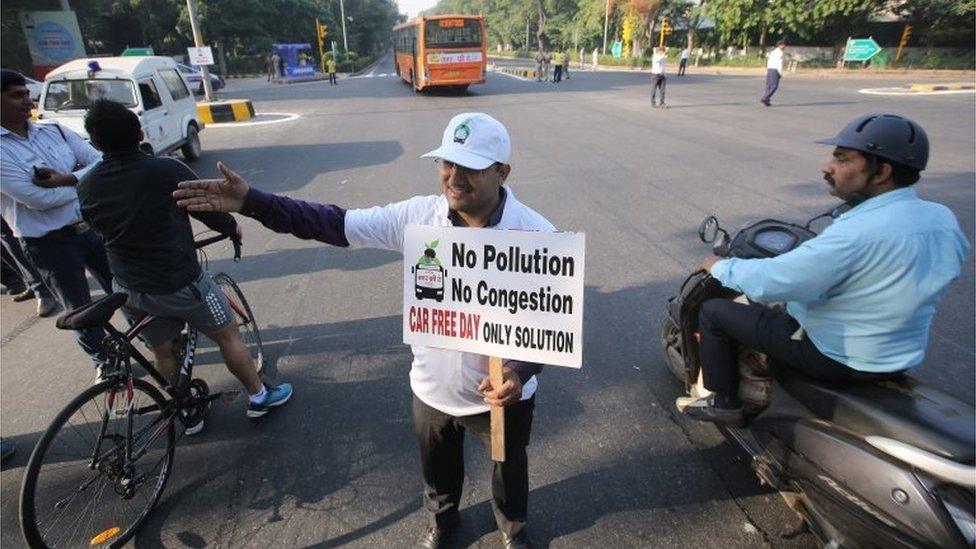
Under this new policy, every week will feature a dedicated “No Car Day.” On this day, officers and staff are encouraged to leave their private vehicles at home. Instead, they should rely on public transport or shared systems to reach their offices. By doing this, the government hopes to set a visible example of energy conservation for the general public.
Furthermore, officials have been told to minimize the use of government vehicles whenever possible. The directive pushes employees toward electric vehicles (EVs) and pooled transport. This shift marks a significant change in how Delhi’s bureaucracy handles daily commuting and field visits.
From Private Convoys to Shared Carpools

The government is also changing how officials attend public events. Instead of traveling in separate convoys, officers must now travel together for inaugurations, inspections, and other programs. They should use electric vehicles or public transport for these group trips.
Additionally, the policy promotes virtual meetings to reduce the need for physical travel. By holding discussions online, departments can save significant amounts of fuel and time. The government has also asked departments to quickly replace their diesel-operated pumps with electric ones at permanent stations.
Total Suspension of Foreign Trips

One of the most surprising parts of the order is the complete suspension of foreign tours. No officer is allowed to undertake any international visit, whether for official or personal reasons, until further notice. Consequently, any leave already sanctioned for foreign travel stands cancelled immediately.
Delhi Minister Parvesh Verma stated that this move ensures officials stay focused on strengthening domestic systems. He believes that prioritizing accountability within the country is more important than international exposure at this time. To ensure these rules work, departments must submit weekly reports showing their compliance with the new measures.
A Greener Approach to Governance
Beyond transportation, the 11-point plan touches on horticulture and waste management. Departments will now use only organic manure for their gardening work. Moreover, projects that process green waste will be fast-tracked to improve city efficiency.
Ultimately, these steps aim to make governance more grounded and efficient. By embracing electric mobility and cutting down on conventional fuel, the Delhi government hopes to lead the way in the nation’s push for energy independence.