


The Haryana government has launched a major tax incentive scheme to encourage transport operators to replace old commercial vehicles with cleaner and more environmentally friendly alternatives. The initiative aims to reduce pollution levels across the National Capital Region (NCR) and promote the adoption of modern transport technologies.
According to a notification issued by the Haryana Transport Department on June 24, buyers of eligible new commercial vehicles will receive a complete exemption from Motor Vehicle (MV) tax. The benefit applies to new trucks and buses that meet BS-VI emission standards or stricter norms.
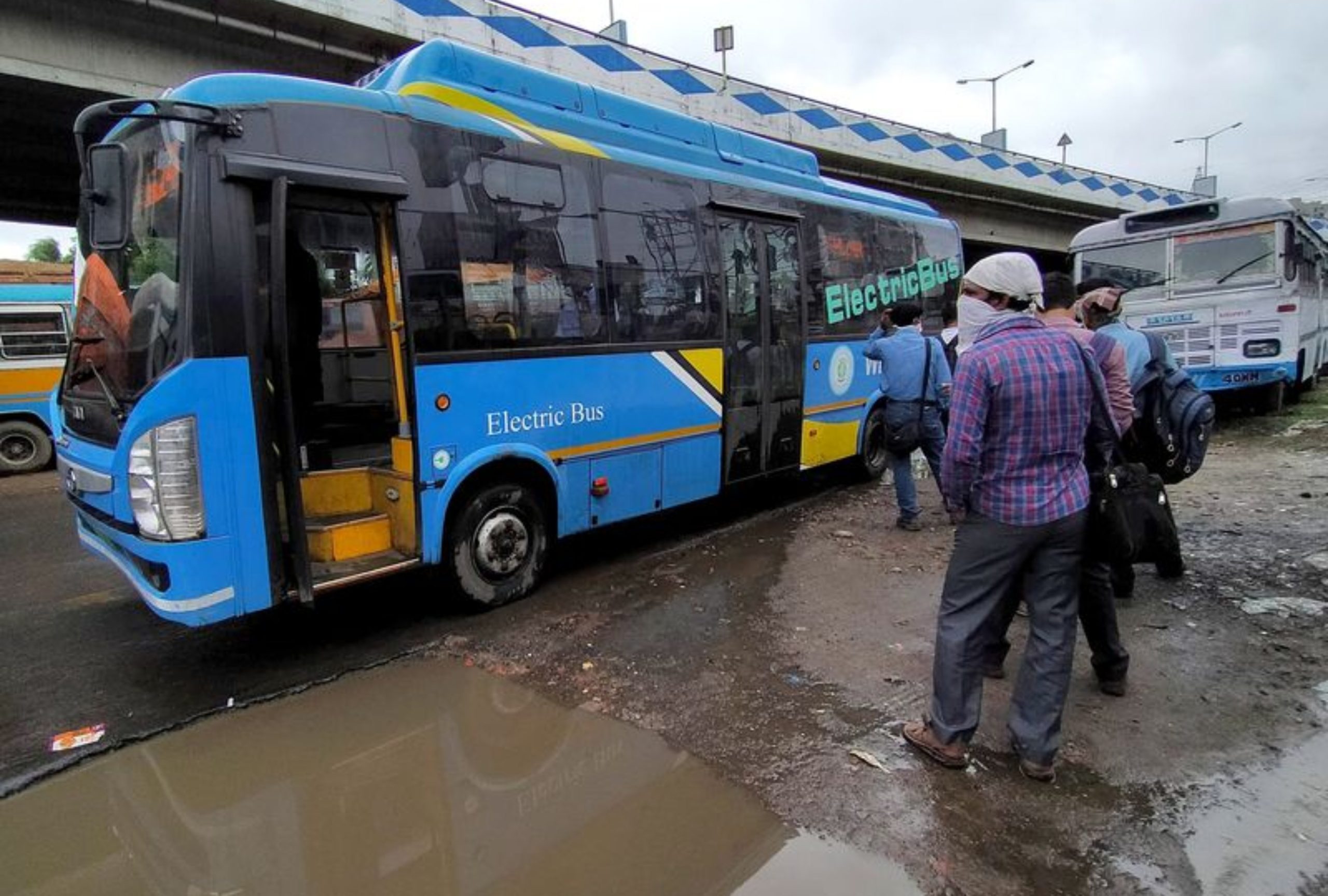
In addition, electric vehicles (EVs) and CNG-powered commercial vehicles will also qualify for the full tax exemption.
Full and Partial Tax Benefits for Commercial Vehicle Owners
The scheme provides significant financial relief to transport operators planning to upgrade their fleets.
While new eligible vehicles will receive a 100% MV tax exemption, buyers of approved used trucks and buses will get a 50% exemption on the tax. This move is expected to make cleaner vehicles more affordable for small and medium transport businesses.
Moreover, the tax benefit will remain valid for 10 years from the date of the replacement vehicle’s first registration. As a result, vehicle owners can enjoy long-term savings while operating modern and less-polluting vehicles.
Who Can Avail the Benefits?
The scheme is specifically designed for owners of older commercial vehicles operating in Haryana’s NCR districts.
To become eligible, transport operators must own trucks or buses that comply with BS-IV or older emission standards. However, they must replace these vehicles through a mandatory scrapping or approved sale process before claiming the incentives.
The government wants to ensure that ageing vehicles are gradually removed from the roads and replaced with cleaner alternatives.
Rules for Scrapping Older Vehicles
The policy includes clear guidelines regarding the disposal of old commercial vehicles.
BS-III and older trucks and buses must be scrapped only at a Registered Vehicle Scrapping Facility (RVSF) located in Haryana. This requirement ensures that vehicle disposal follows approved environmental standards.
Meanwhile, owners of BS-IV vehicles have two options. They can either scrap the vehicle at an RVSF or sell it outside NCR regions. However, such vehicles can only be transferred to areas that are not covered under the National Clean Air Programme (NCAP).
Therefore, the policy prevents older vehicles from continuing operations in regions already struggling with poor air quality.
Conditions for Replacement Vehicles
The government has also specified conditions for the purchase of replacement vehicles.
The new vehicle must be purchased and registered within Haryana’s NCR districts. Additionally, it must comply with BS-VI or stricter emission standards or operate on electric or CNG technology.
By linking tax benefits to cleaner vehicles, the government hopes to accelerate the shift toward sustainable transportation.
Relief on Outstanding Dues
Apart from tax incentives, the government has announced another important relief measure.
Outstanding liabilities that have remained unpaid for more than one year on BS-IV and older commercial vehicles registered in Haryana’s NCR districts will be waived. This decision is expected to reduce the financial burden on transport operators and encourage faster participation in the replacement scheme.
Furthermore, the waiver could help many fleet owners clear old dues and invest in newer vehicles without additional financial pressure.
Push for Cleaner Air and Sustainable Transport
The latest initiative reflects Haryana’s growing focus on improving air quality and reducing vehicle emissions.
Older commercial vehicles contribute significantly to pollution levels, especially in NCR regions. By offering attractive tax benefits and easing the replacement process, the government aims to encourage transport operators to adopt cleaner technologies.
As more businesses shift to BS-VI, electric and CNG-powered vehicles, the policy could play a key role in creating a cleaner and more sustainable transport ecosystem across Haryana’s NCR districts.