


When the FIFA World Cup 2026 kicked off, Cape Verde were among the least talked-about teams in the tournament. The tiny island nation, located off Africa’s west coast and home to just over half a million people, arrived at the expanded 48-team World Cup as complete outsiders.
Few expected them to make an impact. Fewer still imagined they would become one of the defining stories of the tournament.
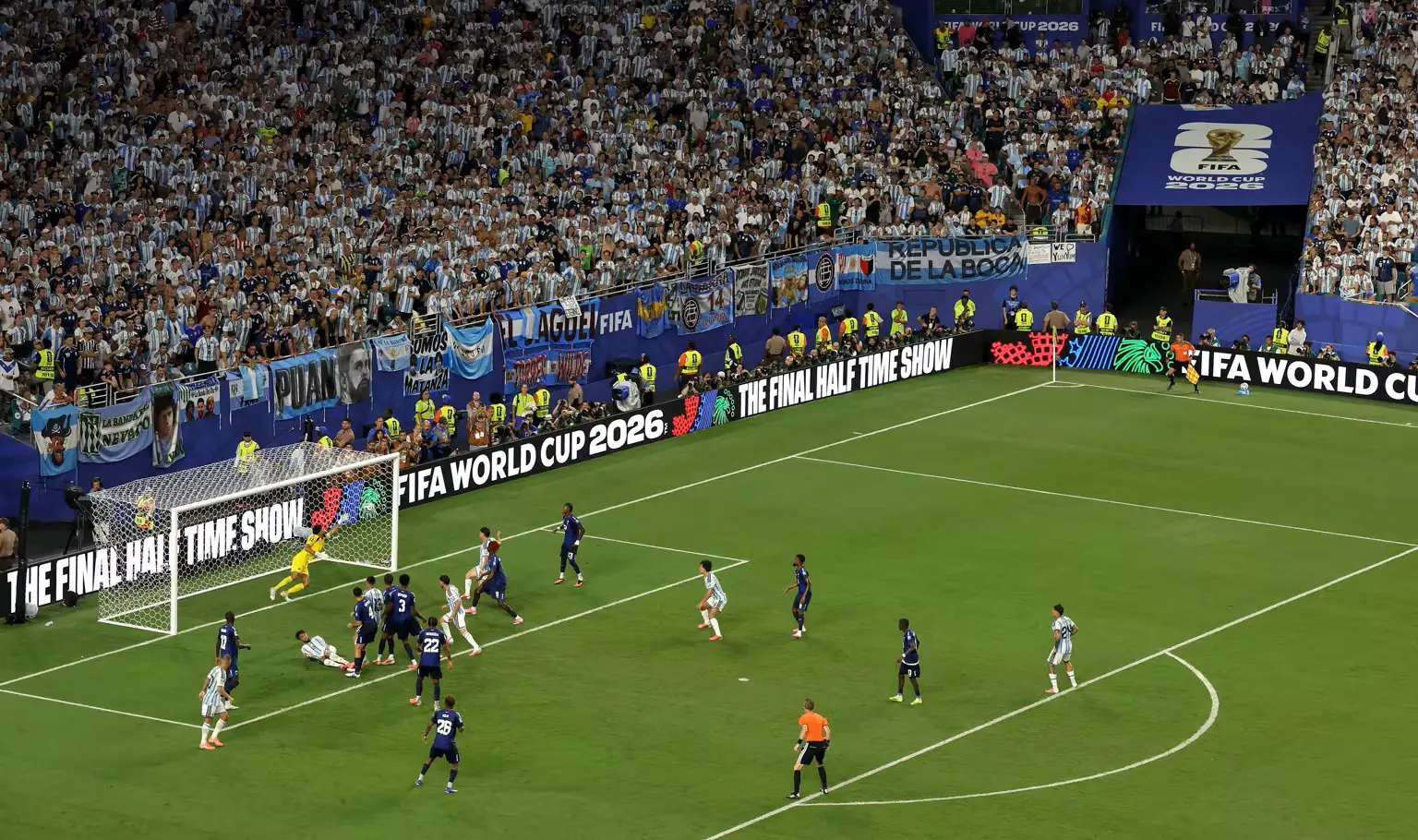
Yet, by the time their remarkable journey came to an end with a heartbreaking 3-2 extra-time defeat against defending champions Argentina in the Round of 32, Cape Verde had captured the imagination of football fans across the globe.
They may not have progressed, but they left the tournament with something arguably more valuable — universal admiration.
From Unknown Debutants To Tournament Darlings
Before the World Cup, Cape Verde were largely unfamiliar to football fans outside Africa. By the end of the group stage, they had become one of the competition’s biggest talking points.
Their campaign began with a stunning goalless draw against reigning European champions Spain.
While Spain dominated possession and created numerous chances, Cape Verde’s disciplined defensive display refused to buckle under pressure. Veteran goalkeeper Vozinha produced a sensational performance, making seven crucial saves to preserve a famous point.
The performance instantly transformed the experienced shot-stopper into an internet sensation, with his social media following reportedly crossing one million within a day.
Despite the impressive result, critics dismissed it as a one-off performance.
Many argued Spain had underperformed rather than Cape Verde outperforming expectations.
Cape Verde, however, had only just begun writing their story.
Remaining Unbeaten Against World-Class Opposition
The island nation proved their Spain result was no fluke by following it up with another impressive display against two-time world champions Uruguay.
A spectacular direct free-kick from Kevin Pina gave Cape Verde their first-ever FIFA World Cup goal before Helio Varela completed an inspired comeback to secure a memorable 2-2 draw.
Their final group-stage match against Saudi Arabia showcased yet another side of the team.
Needing a result to qualify for the knockout rounds, Cape Verde combined defensive organisation with confident possession football, finishing the match with more attempts and greater control than their opponents.
A 0-0 draw was enough to seal an unlikely place in the Round of 32.
By then, the football world knew exactly who Cape Verde were.
They had become the poster team for FIFA’s expanded World Cup format, proving that smaller footballing nations could compete with the very best.
Argentina Awaited — And So Did Another Impossible Challenge
If qualifying from the group stage was considered a miracle, facing Lionel Messi’s Argentina appeared an impossible task.
The defending champions had breezed through the group stage, winning all three matches comfortably while Messi continued his extraordinary goalscoring form.
Almost nobody gave Cape Verde a realistic chance.
Bookmakers reportedly rated their chances of victory at less than one per cent.
But football has always loved a good underdog story.
Cape Verde Refused To Surrender
Argentina eventually broke through in the 29th minute.
Lionel Messi, continuing his outstanding tournament, found space inside the penalty area before clinically finishing to give Argentina the lead.
Many believed the match would now become routine for the reigning champions.
Cape Verde had other ideas.
Instead of collapsing, they tightened defensively, with Vozinha producing another series of outstanding saves to keep his side alive.
Their resilience was eventually rewarded when Deroy Duarte scored the equaliser, stunning Argentina and sending belief coursing through the Cape Verde players.
Against all expectations, the match headed into extra time.
A Goal That Made The World Believe
Argentina regained the lead almost immediately after extra time began.
Defender Lisandro Martinez rose highest from a corner to restore Argentina’s advantage, and momentum swung heavily towards Lionel Scaloni’s side.
Wave after wave of Argentine attacks followed, and many feared Cape Verde’s resistance had finally broken.
Then came one of the defining moments of the tournament.
Receiving possession on the left flank, Sidny Lopes Cabral cut inside before curling a sensational strike into the top corner.
The stunning finish levelled the score at 2-2 and instantly entered the conversation for the goal of the tournament.
For a brief moment, millions of football fans around the world dared to believe the impossible might happen.
Even Lionel Messi’s expression reflected the tension as Cape Verde continued to dream.
Cruel Ending To A Beautiful Story
Argentina eventually found the decisive breakthrough.
Cristian Romero met a Messi corner with a powerful header, and the ball deflected off Diney Borges before finding the back of the net.
It proved to be the winning goal.
Even then, Cape Verde refused to accept defeat.
They continued pressing until the very end, forcing Emiliano Martinez into two more important saves before the final whistle finally ended one of the greatest underdog performances in World Cup history.
The reaction after the match perhaps summed up the contest best.
Argentina’s players celebrated with relief rather than jubilation.
Their supporters, often known for their fierce passion, rose to applaud Cape Verde’s players as they left the field.
More Than A Defeat — A Legacy
Cape Verde may not have produced the biggest upset in World Cup history.
But they achieved something equally significant.
They transformed global perceptions.
Throughout the tournament they demonstrated tactical discipline, fearless attacking football, resilience under pressure and an unwavering belief against some of the world’s strongest teams.
They remained unbeaten throughout the group stage, held Spain and Uruguay, eliminated Saudi Arabia and pushed the defending world champions to the absolute limit.
For a country with limited footballing resources and a population smaller than many cities, it was an achievement that transcended results.
Cape Verde’s Fairytale Will Be Remembered
The best sporting stories are not always about lifting trophies.
Sometimes, they are about changing perceptions, inspiring future generations and reminding the world why football remains the beautiful game.
Cape Verde may have exited the FIFA World Cup 2026 in the Round of 32, but their fearless performances ensured they left as one of the tournament’s greatest success stories.
Their fairytale ended in defeat.
Their legacy, however, has only just begun.