
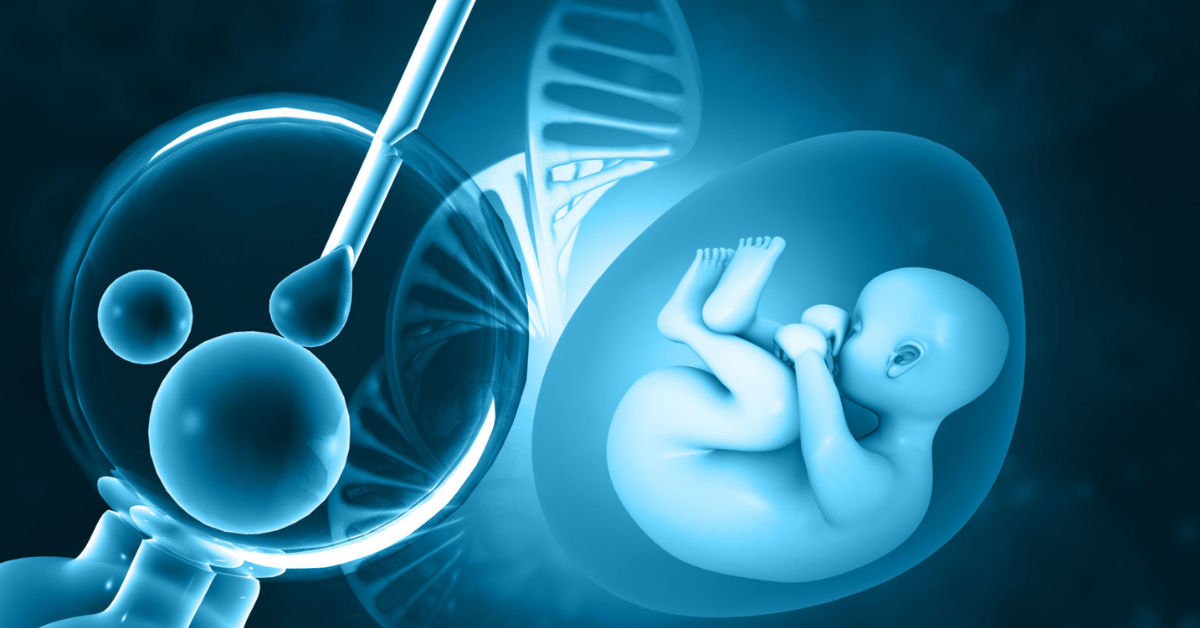


Fertility treatments such as IVF and egg freezing are increasingly becoming part of mainstream healthcare conversations, helping women make informed choices about pregnancy and reproductive planning. However, several myths still surround these procedures, often leading to confusion and hesitation.
According to fertility experts, these treatments are not only more accessible today but also scientifically advanced options that support women’s reproductive decisions at different life stages.
Myth 1: Egg freezing guarantees a future baby
One of the biggest misconceptions is that freezing eggs ensures a successful pregnancy later. Experts clarify that while egg freezing improves chances of conception, it does not guarantee a baby. Success depends largely on the age at which eggs are frozen and their quality.
Myth 2: Egg retrieval reduces fertility
Another common fear is that the egg retrieval process lowers natural fertility. Medically, this is incorrect. During each cycle, multiple eggs naturally begin developing, but only one is typically released while others degenerate. Retrieval simply collects eggs that would otherwise not be used.
Myth 3: IVF is unnatural
IVF is often misunderstood as an “unnatural” process. In reality, in vitro fertilisation works alongside the body’s biology by fertilising eggs and sperm outside the body and then transferring the embryo into the uterus. It is considered a highly advanced medical support system for conception.
Myth 4: Fertility treatments are only a last resort
Contrary to popular belief, fertility treatments are no longer used only when all other options fail. Many women now choose options like egg freezing proactively to align pregnancy with personal, professional, or lifestyle goals—a trend often referred to as “social freezing.”
Myth 5: Fertility treatments are only for older women
Fertility care is not limited to a specific age group or medical condition. Women across different age brackets are increasingly exploring reproductive planning options earlier to better understand and manage their fertility health.
A shift in mindset
Experts highlight that treatments like IVF and egg freezing are becoming “tools of empowerment” rather than last-resort solutions. They help women take informed control of their reproductive future rather than relying on myths or social pressure.