
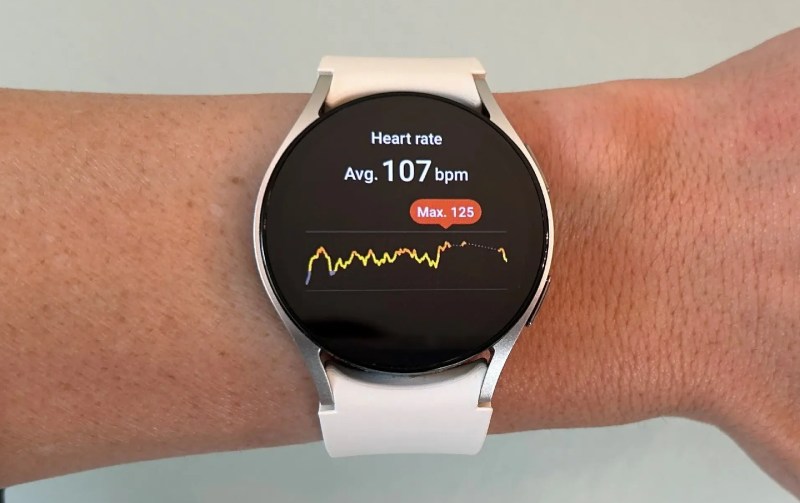


Samsung has revealed a breakthrough clinical study showing that the Galaxy Watch series can now predict fainting episodes with impressive accuracy. By using an AI model and heart data from the watch’s optical sensors, the system can warn users of a potential vasovagal syncope episode up to five minutes before it occurs. This proactive alert could give users enough time to sit or lie down, preventing injuries from sudden falls.
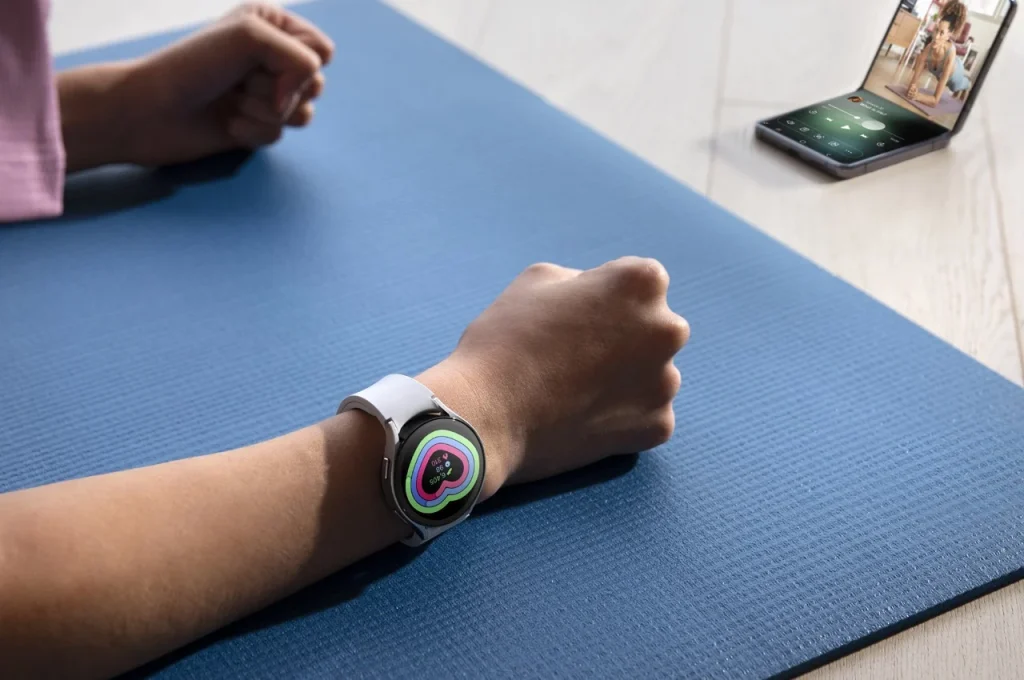
The Study: 84.6% Accuracy
The research, recently published in the European Heart Journal – Digital Health, involved 132 patients in a controlled hospital setting. The team utilized Galaxy Watch 6 devices to collect heart rate and heart rate variability (HRV) data to train the AI.
Key findings from the clinical trial include:
- Accuracy: 84.6%
- Sensitivity: 90% (successfully detected most fainting events)
- Specificity: 64% (noted some false alarms)
The study focused specifically on vasovagal syncope, which accounts for roughly 80% of all fainting episodes. This condition is marked by a sudden, sharp drop in heart rate and blood pressure, often triggered by stress or standing for too long.
When Will It Be Available?
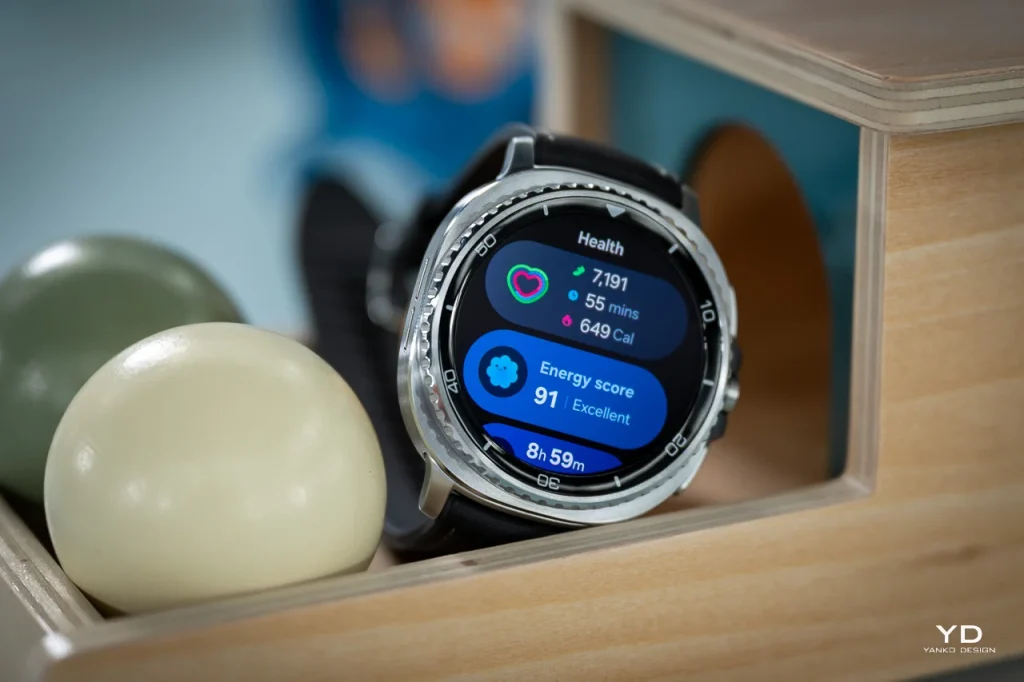
While the results are promising, this feature is not yet available for public use. Samsung has clarified that while the research is a massive step forward, several hurdles remain:
- Further Testing: More large-scale studies are needed to refine the AI.
- Regulatory Approval: Like the ECG and blood pressure tracking features, this will require clearance from health authorities (such as the FDA in the US) in different markets.
A Growing Suite of Health Tools
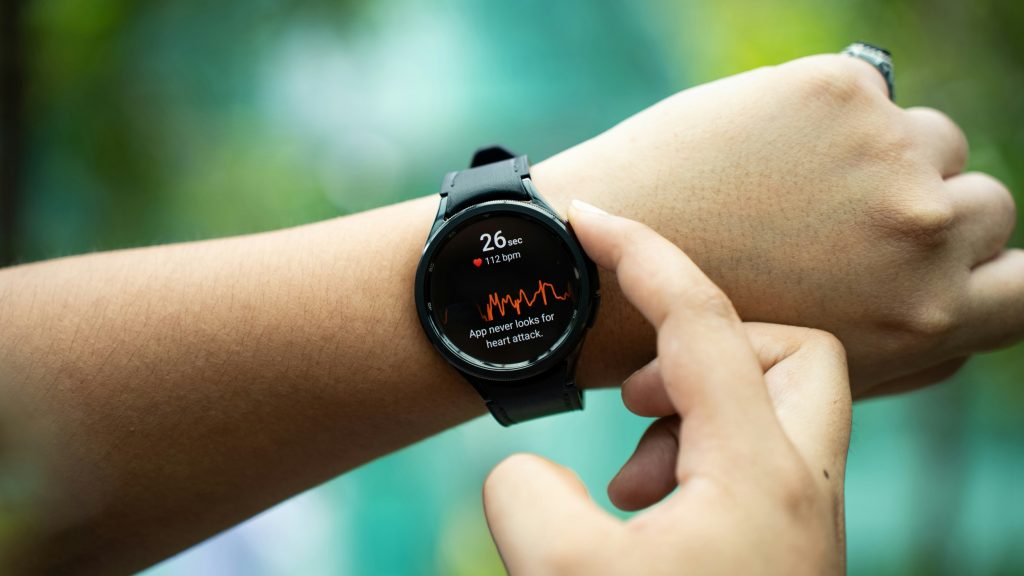
This development is part of Samsung’s larger effort to turn its wearables into proactive health monitors. The Galaxy Watch already offers ECG, irregular heart rhythm notifications, and blood pressure tracking (recently expanded to the US). If successfully integrated, fainting prediction would add a vital layer of safety for users prone to syncope, further bridging the gap between consumer tech and medical-grade monitoring.