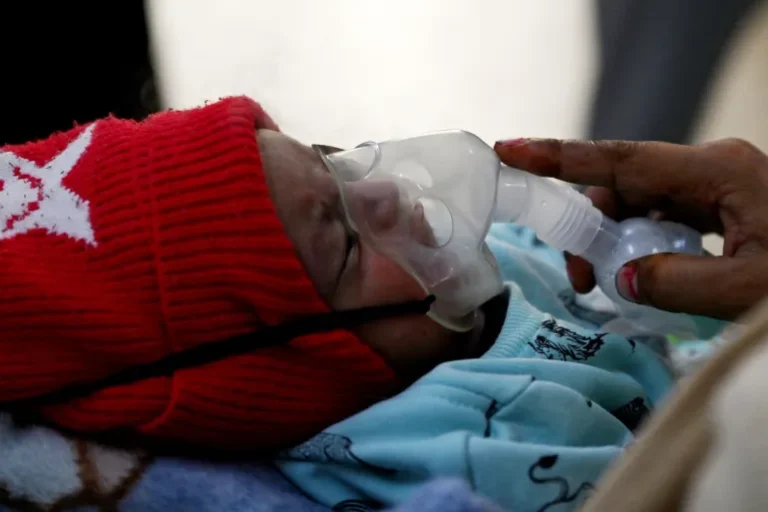
A new study by researchers at the All India Institute of Medical Sciences (AIIMS), Delhi, has raised serious concerns about the impact of air pollution on unborn babies. The research suggests that exposure to polluted air during pregnancy may not only affect maternal health but could also influence a child’s growth, development, and long-term well-being.
Tiny Pollution Particles Can Reach the Placenta
The study focused on fine particulate matter known as PM2.5 and PM10, microscopic pollutants commonly released by vehicle emissions, industrial activities, and urban pollution sources.
Researchers found evidence that these particles may cross the placental barrier, triggering inflammation and oxidative stress. This can interfere with the placenta’s ability to deliver oxygen and nutrients to the developing fetus, potentially affecting healthy growth during pregnancy.
Impact on Fetal Growth and Pregnancy Health
The findings revealed that exposure to polluted air can disrupt important placental functions, including blood vessel development and nutrient transfer.
Animal studies conducted as part of the research showed that pregnant rats exposed to urban pollution gave birth to smaller litters, while their offspring had lower birth weights and slower growth compared to those not exposed to the pollutants.
Human Data Supports the Findings
To strengthen the results, researchers also analyzed nearly 1,000 human pregnancies from regions with varying pollution levels.
The analysis found that higher exposure to PM2.5 was linked to an increased risk of low birth weight and preeclampsia, a serious pregnancy condition characterized by high blood pressure.
Toxic Metals Found in Placental Tissue
One of the study’s most concerning discoveries was the presence of toxic metals such as lead, cadmium, and antimony in placental tissue.
Researchers believe these harmful substances may reach the fetus after being inhaled by the mother, potentially affecting growth and neurological development.
The study also identified changes in a key fetal growth gene called IGFBP3. Pollution-related inflammation appeared to suppress this gene’s activity, which could impact normal placental development and fetal growth.
Effects May Continue After Birth
The researchers warned that the consequences of pollution exposure may extend beyond pregnancy.
Animal experiments suggested that offspring exposed to pollution before birth experienced developmental and behavioral changes after delivery. While more human studies are needed, the findings indicate that prenatal exposure to air pollution could have lasting health effects.
Call for Stronger Pollution Control Measures
The researchers emphasized that air pollution should not be viewed solely as a respiratory or cardiovascular issue. Instead, it represents a significant threat to maternal and child health.
They have called for stronger pollution-control policies, increased public awareness, and special precautions for pregnant women to reduce exposure to harmful pollutants and protect future generations.
Why This Matters
As urban air pollution continues to rise in many Indian cities, the study highlights the importance of cleaner air for both mothers and children. Protecting pregnant women from prolonged exposure to pollution could play a crucial role in improving birth outcomes and supporting healthier future generations.