New Delhi:
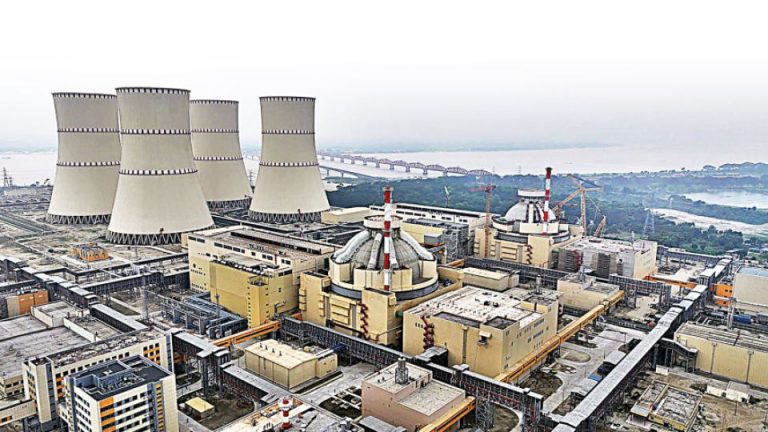
Bangladesh has formally stepped into the era of peaceful nuclear energy with the successful loading of nuclear fuel into the first unit of the Rooppur Nuclear Power Plant. The move marks one of the most significant milestones in the country’s energy journey and places it among a select group of nuclear-powered nations in South Asia.
With this development, Bangladesh becomes the third country in the region—after India and Pakistan—to harness nuclear power for electricity generation. The step signals a strategic shift as the country seeks reliable, long-term and low-carbon energy to support its expanding economy.
Fuel Loading Ceremony Signals Transition From Construction To Commissioning
The landmark fuel loading ceremony took place at Rooppur, located about 160 kilometres from Dhaka. The event was attended by Alexey Likhachev, Director General of Rosatom, and Fakir Mahbub Anam.
The two leaders jointly granted symbolic approval to begin loading fresh nuclear fuel into the Unit-1 reactor core. This step marks the official transition of Bangladesh’s first nuclear power station from construction to commissioning.
Speaking at the ceremony, Likhachev said Bangladesh had joined a group of countries using nuclear energy as a reliable source of sustainable development. He described the Rooppur plant as a cornerstone of the nation’s future energy system.
Advanced VVER-1200 Reactors Provide Major Boost To Power Capacity
The Rooppur facility is equipped with two VVER-1200 units, each capable of producing 1,200 megawatts of electricity. Once fully operational, the plant will generate a combined output of 2,400 megawatts, significantly strengthening Bangladesh’s power supply.
The VVER-1200 design represents an advanced Generation III+ reactor system that incorporates both passive and active safety features. These reactors meet stringent global safety standards and include modern protective systems developed after major international nuclear safety reviews.
Interestingly, Bangladesh’s reactors are based on more advanced technology than earlier systems installed at India’s Kudankulam Nuclear Power Plant, where initial units were built using older VVER-1000 technology. This highlights how newer nuclear entrants are benefiting from technological progress.
What Happens After Fuel Loading
Following the fuel loading stage, the reactor will undergo a carefully managed sequence of operations. It will first reach a minimum controlled power level, ensuring safe and stable performance. This will be followed by gradual power increases until the plant reaches full capacity.
The final stage will involve grid synchronisation, during which electricity generated at Rooppur will begin flowing into Bangladesh’s national power network.
According to Minister Fakir Mahbub Anam, nuclear energy will play a crucial role in strengthening national energy security, boosting industrial growth and supporting a technology-driven economy.
Key Role In Energy Security And Reducing Carbon Emissions
Bangladesh has been experiencing rapidly rising electricity demand due to industrial expansion and urban development. Nuclear power is expected to provide a reliable baseload energy source, reducing reliance on fossil fuels and imported energy.
Once operational, the Rooppur project is expected to supply a substantial share of the country’s electricity needs, improving long-term energy security while lowering carbon emissions.
Rosatom, which serves as both the general contractor and designer for the project, described the development as part of its broader strategy to expand peaceful nuclear cooperation globally. Similar VVER-1200 reactors are already operational in Russia and Belarus, with ongoing projects in Egypt, Turkey, Hungary and China.
India’s Behind-the-Scenes Support In Training Nuclear Workforce
India has played an important role in supporting Bangladesh’s nuclear journey, particularly in training personnel for safe plant operations.
Under a trilateral cooperation arrangement involving India, Bangladesh and Russia, Indian experts helped train Bangladeshi engineers and scientists. Institutions such as the Department of Atomic Energy and the Global Centre for Nuclear Energy Partnership provided technical training in reactor operations, safety culture, radiation protection and regulatory practices.
This collaboration has helped Bangladesh develop technical expertise aligned with international safety standards and regional operating conditions.
Symbol Of Technological Progress And National Ambition
The Rooppur Nuclear Power Plant project, initiated under a contract signed on December 25, 2015, represents one of the largest infrastructure investments in Bangladesh’s history.
Beyond power generation, the project symbolises the country’s technological maturity and commitment to adopting advanced scientific capabilities responsibly. The development also reflects years of regulatory planning and oversight, including cooperation with the International Atomic Energy Agency.
As Bangladesh prepares to connect nuclear electricity to its grid in the coming months, Rooppur stands as a milestone marking the nation’s transition into a new era of energy independence and technological advancement.