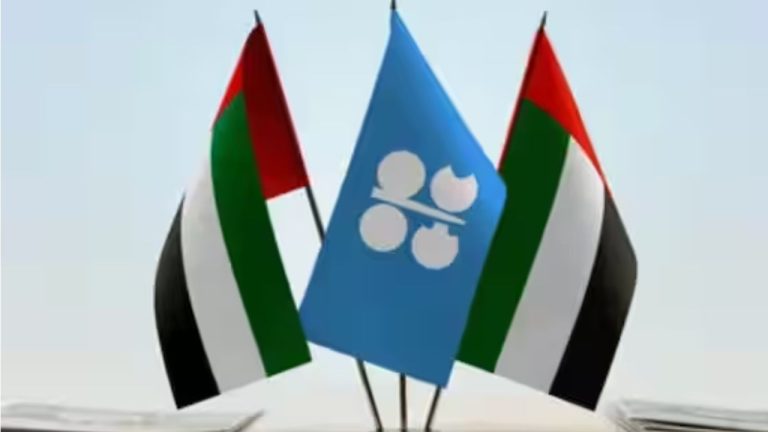
Abu Dhabi cites economic strategy and output flexibility as it ends decades-long OPEC membership
April 28, 2026: The United Arab Emirates has announced it will exit OPEC and the broader OPEC+ grouping from May 1, marking the end of nearly six decades of association. The decision, reported through the country’s official channels, reflects a strategic shift in Abu Dhabi’s economic priorities, with a stronger focus on autonomy in oil production and investment decisions. Officials said the move aligns with the nation’s evolving energy goals and long-term development plans.
The exit also highlights growing tensions with Saudi Arabia, particularly over production limits and regional influence. The UAE has increasingly expressed frustration over output caps imposed by OPEC, arguing they limit its ability to maximise expanded production capacity. At the same time, competition between the two Gulf nations has intensified, driven by economic reforms and efforts to attract global investment, along with differing approaches to regional conflicts such as Yemen.
Having first joined OPEC in 1967 through Abu Dhabi and becoming a full member after its formation in 1971, the UAE has played a key role in the global oil market for decades. Despite its exit, it remains one of the world’s leading oil producers and is expected to continue influencing global energy supply. The move underscores a broader shift in the oil landscape, as countries reassess alliances amid changing market dynamics and geopolitical priorities.