
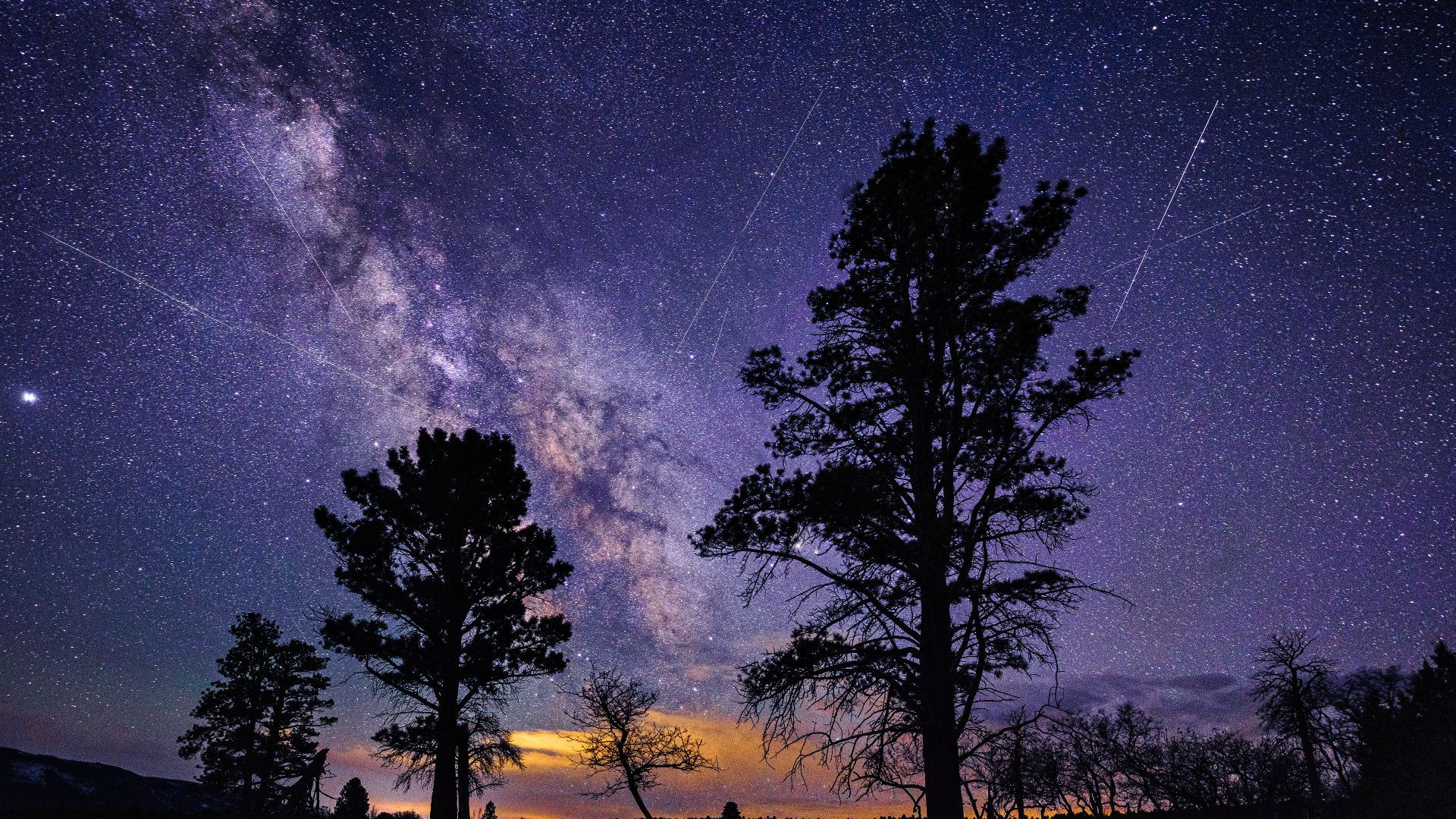


The Lyrid meteor shower, one of the oldest recorded celestial displays in human history, reaches its peak activity tonight, April 22, 2026. Originating from the debris of Comet C/1861 G1 Thatcher, the Lyrids are renowned for producing bright “fireballs” and persistent glowing trails that can last several seconds.
For 2026, astronomical conditions are exceptionally favorable. The 27%-lit waxing crescent moon is scheduled to set early, leaving behind a pristine, dark canvas for the predawn hours when meteor frequency is at its highest.
Optimal Viewing Windows by Region
While the shower is active until April 25, the primary peak occurs during the night of April 22 into the early hours of April 23.
| Region | Peak Viewing Window (Local Time) | Key Highlight |
| United States | April 22, 12:00 AM – 5:30 AM | Moon sets by 2:00 AM; best visibility in rural desert regions. |
| United Kingdom | April 22, 10:30 PM – 2:30 AM | Look East toward the constellation Lyra after midnight. |
| India | April 23, 1:00 AM – 5:00 AM | Best viewed from outskirts of Delhi, Mumbai, and Bengaluru. |
| Europe | April 22, 9:30 PM – 2:30 AM | Radiant peaks high in the sky after 11:00 PM. |
Professional Observation Strategy
To maximize your chances of spotting the predicted 18–20 meteors per hour, follow these industry-standard tips:
- Dark Adaptation: Arrive at your viewing site at least 30 minutes early. Your eyes require this time to adjust to low-light conditions to detect fainter streaks.
- Avert Your Gaze: Do not stare directly at the radiant point near the star Vega. Meteors appearing roughly 40 degrees away from the radiant will exhibit longer, more spectacular tails.
- The “No-Phone” Rule: Avoid checking mobile devices. The blue light from screens will instantly reset your night vision, requiring another 20 minutes to recover.
- Positioning: Lie flat on your back and take in as much of the sky as possible. No binoculars or telescopes are needed; the naked eye provides the necessary wide-angle view.
Whether you are in the highlands of Scotland or the open fields of the Indian interior, the 2026 Lyrids offer a rare, moon-free opportunity to witness nature’s oldest light show.