
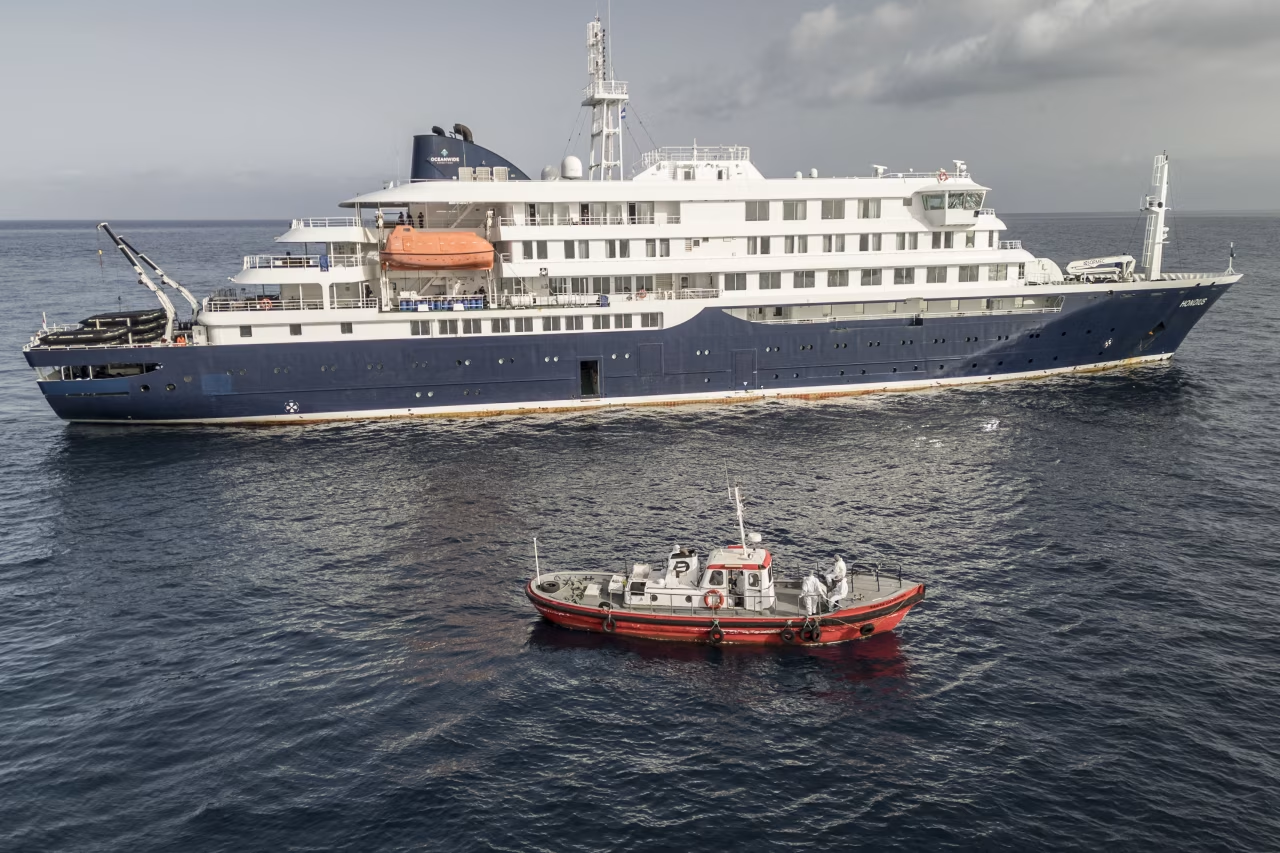


What began as a dream expedition across the South Atlantic turned into a major public health emergency after a deadly hantavirus outbreak was reported aboard the cruise ship MV Hondius.
The 33-day luxury voyage, known as the “Atlantic Odyssey,” departed from Ushuaia, Argentina, on April 1, 2026, carrying 149 passengers and crew members from 23 countries. The trip was planned as a scenic bird-watching and exploration expedition covering remote islands including South Georgia and Tristan da Cunha.
How The Outbreak Unfolded
April 1: Journey Begins
The MV Hondius set sail from Argentina for its month-long South Atlantic expedition.
April 6: First Passenger Falls Ill
A 70-year-old Dutch passenger reportedly developed flu-like symptoms including fever, headache, and diarrhoea while onboard.
April 11: First Death Reported
The passenger later died after suffering respiratory complications. Initially, passengers were informed that the situation was isolated and the ship remained safe.
Late April: More Cases Emerge
Additional passengers reportedly began showing symptoms during the voyage. The deceased passenger’s wife later disembarked at Saint Helena but reportedly collapsed at Johannesburg airport and died soon after.
Early May: WHO Confirms Outbreak
The World Health Organization later confirmed a hantavirus outbreak linked to the cruise. Reports indicated at least three deaths along with several confirmed or suspected infections.
Why The Andes Strain Raised Concerns
Health experts identified the outbreak as involving the Andes strain of hantavirus, a rare variant that differs from most hantaviruses because it can spread through limited human-to-human contact.
Most hantaviruses are transmitted through exposure to infected rodent urine, saliva, or droppings. However, the Andes strain is known for occasional transmission between people during prolonged close contact, raising concerns in the confined environment of a cruise ship.
Experts believe the close quarters onboard may have contributed to secondary infections among passengers and crew members.
What Is Hantavirus Pulmonary Syndrome?
The virus can lead to Hantavirus Pulmonary Syndrome, a potentially fatal respiratory illness.
Early Symptoms Include:
- Fever
- Muscle aches
- Fatigue
- Headache
- Nausea or diarrhoea
Severe Symptoms May Include:
- Coughing
- Difficulty breathing
- Fluid buildup in the lungs
Doctors warn that the illness can worsen rapidly and may require intensive medical care and oxygen support.
No Specific Cure Or Vaccine Yet
Currently, there is no approved antiviral treatment or vaccine specifically for hantavirus infections. Medical treatment mainly focuses on supportive care, monitoring lung function, and helping patients breathe during severe illness.
Health officials continue to stress that the overall global risk remains low, but the incident has highlighted the importance of monitoring rare infectious diseases, especially in enclosed travel environments.
A Voyage That Turned Into A Global Health Story
What was intended to be a luxury adventure through remote islands ultimately became an international health concern, drawing attention to the rare but serious dangers posed by the Andes strain of hantavirus.
The outbreak has also renewed discussions about disease surveillance, onboard medical preparedness, and public health response systems during international travel.