
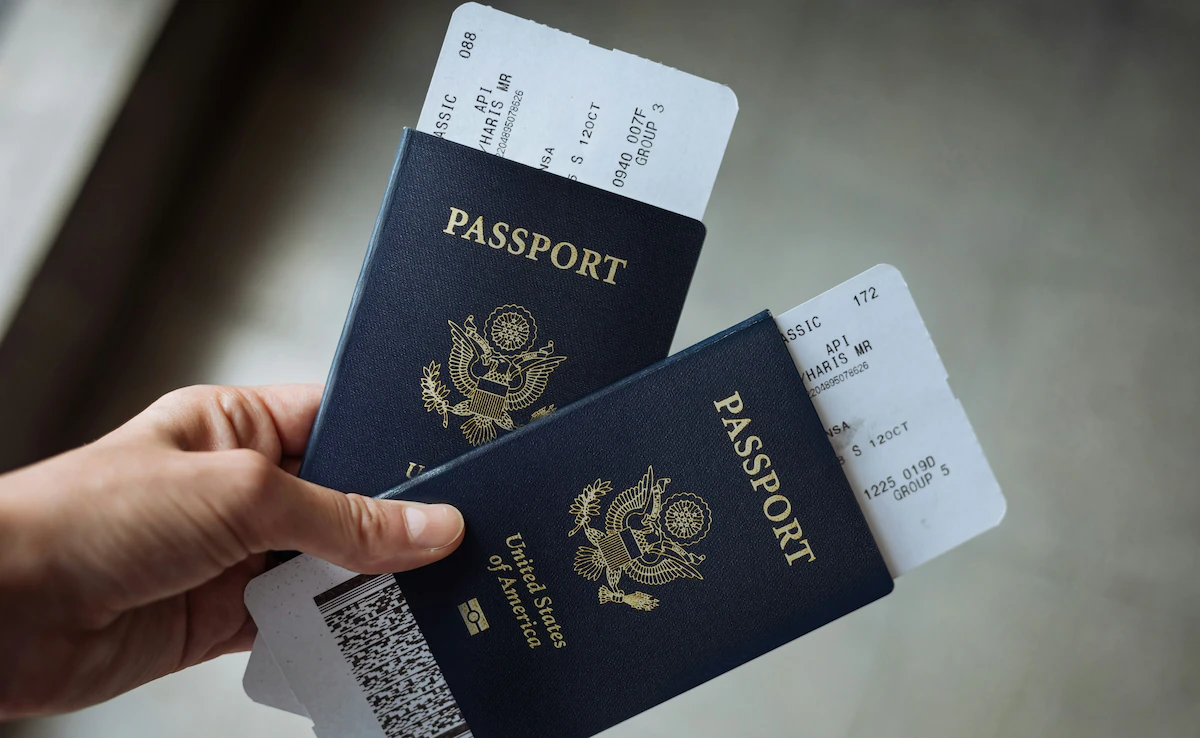


Posting a photo of your boarding pass on social media might feel like a fun way to share travel excitement, but it can expose sensitive personal information and create serious security risks. What looks like a harmless image often contains hidden data that can be easily accessed and misused by others.
Understanding these risks can help you avoid potential identity theft, travel disruptions, and even threats to your personal safety.
Hidden Data in Barcodes and QR Codes
A boarding pass is not just a ticket—it contains encoded information using systems like the IATA Bar Coded Boarding Pass standard. The barcode or QR code can be scanned using basic smartphone apps to reveal personal details.
This data may include your full name, booking reference (PNR), frequent flyer number, and even contact information linked to your reservation. In the wrong hands, this information can be misused for tracking or fraud.
Risk of Flight Tampering and Booking Access
With just your last name and PNR, someone could access the airline’s booking management system. This allows them to interfere with your travel plans.
They could cancel your flights, change your seat, or alter meal preferences. While it may sound unlikely, such incidents have been reported and can cause major inconvenience, especially during international travel.
Identity Theft and Financial Exposure
The PNR acts as a gateway to deeper personal information in many airline systems. Depending on the airline, unauthorized access could reveal partial payment details, passport information, date of birth, and your full travel itinerary.
This increases the risk of identity theft and financial fraud, especially if the information is combined with other data available online.
Increased Risk of Burglary
Sharing your boarding pass publicly also signals that you are away from home. It can reveal exact travel dates and times, giving potential burglars a clear window when your house may be unoccupied.
This makes you an easier target, particularly if your social media profiles are public or widely accessible.
Safer Ways to Share Travel Moments
If you still want to share your travel experience online, there are safer alternatives. Always cover sensitive details like the barcode and PNR completely—preferably with a physical object rather than digital blur tools, which can sometimes be reversed.
It is also safer to post travel photos after you have reached your destination or returned home. For physical boarding passes, avoid discarding them carelessly; tearing or shredding them ensures that the data cannot be retrieved.
Think Before You Post
In today’s digital world, even small actions like sharing a travel photo can have unintended consequences. A boarding pass contains far more information than it appears, and protecting that data is essential for your privacy and security.
Being cautious about what you share online can go a long way in keeping your personal information—and your travel plans—safe.