
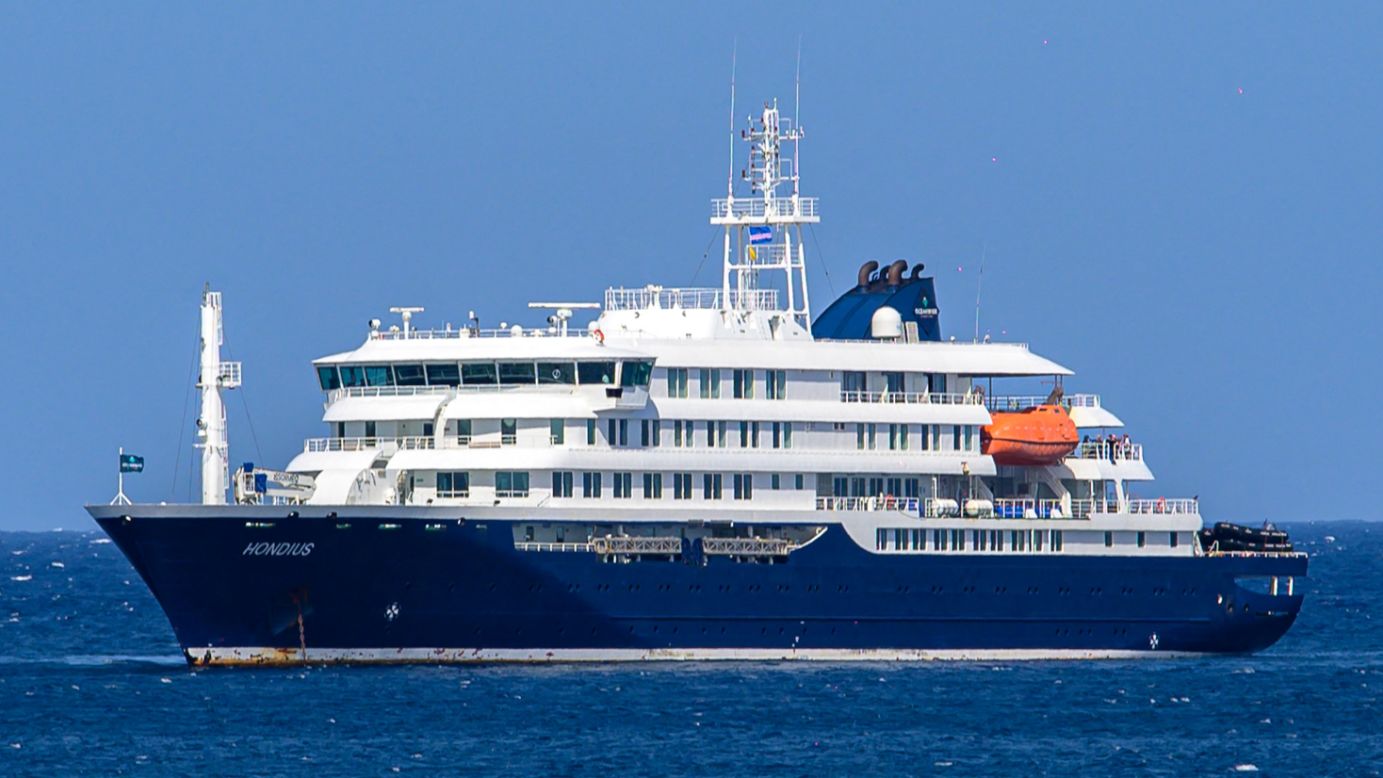


A high-stakes health crisis is unfolding off the west coast of Africa as a suspected hantavirus outbreak onboard the MV Hondius has claimed the lives of three passengers. The vessel, operated by Oceanwide Expeditions, is currently anchored in Praia, Cape Verde, with 170 passengers and 70 crew members confined to the ship. The World Health Organization (WHO) has confirmed the fatalities and is working closely with local authorities to manage the situation.
A Tragic Timeline Across Continents
The ship’s journey began seven weeks ago in Ushuaia, Argentina, and included stops in Antarctica and Saint Helena. The tragedy began when a 70-year-old man died while onboard. In a devastating turn, his wife later collapsed at an airport in South Africa and passed away in a hospital. To date, the deceased include two Dutch nationals, while a British passenger remains under intensive care in Johannesburg after falling ill following a stop at Saint Helena.
Investigation and Containment Efforts
As of late Sunday, Cape Verdean authorities have restricted disembarkation, though local health teams have boarded the vessel to assess two crew members in need of urgent medical attention. While only one case has been laboratory-confirmed as hantavirus, five others remain highly suspected. The Andes virus strain—the only one known to allow rare human-to-human transmission is a primary focus of the WHO’s epidemiological study. The Dutch government has reached an agreement to repatriate symptomatic crew members and the body of one deceased national for further testing.
Understanding the Threat
Hantavirus is typically transmitted to humans through contact with the urine, droppings, or saliva of infected rodents. The resulting Hantavirus Pulmonary Syndrome (HPS) is rare but exceptionally lethal, carrying a mortality rate of approximately 38%. Early symptoms, such as fatigue and muscle aches, quickly escalate to severe respiratory distress. This outbreak has sent shockwaves through the cruise industry, highlighting the complex challenges of managing infectious diseases on long-haul expedition voyages.