
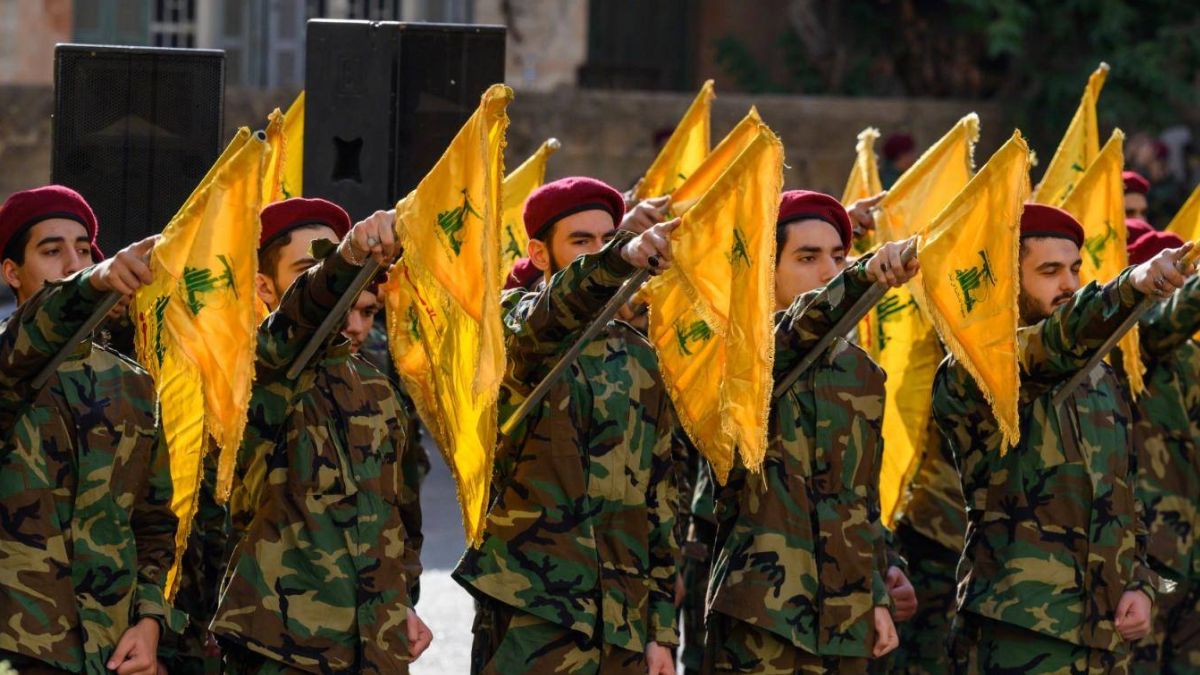


As fighting spreads across the Middle East, Iran is seeking to protect Hezbollah and preserve its regional influence despite growing military
June 11, 2026: The fragile ceasefire in the Middle East continues to come under strain as the conflict involving Iran, the United States, Israel and Hezbollah intensifies. After the US blamed Iran for a military helicopter crash near Oman and launched fresh strikes on Iranian targets, Tehran responded with attacks on US-linked sites in Bahrain and Kuwait. Meanwhile, hostilities between Israel and Hezbollah have escalated again, with rocket attacks and retaliatory airstrikes further destabilising the region and complicating diplomatic efforts.
Hezbollah remains a crucial part of Iran’s regional strategy. Experts say Tehran is determined to ensure the Lebanese militant group is not sidelined in any future peace negotiations. Iran views Hezbollah as a key ally that helps project influence across the Middle East, alongside groups such as the Houthis in Yemen and Shiite militias in Iraq. However, continued Israeli military operations have weakened Hezbollah’s leadership and capabilities, raising concerns in Tehran about maintaining its regional network.
Analysts believe Iran’s long-standing “forward defence” strategy is facing increasing challenges. Instead of relying solely on allies to deter threats, Tehran is now being drawn into direct confrontation with Israel and its partners. The conflict has also imposed significant economic costs on Iran, adding pressure on the country’s leadership to balance regional ambitions with domestic concerns. As tensions persist, the future of Iran’s alliances and its broader Middle East strategy remains uncertain.