
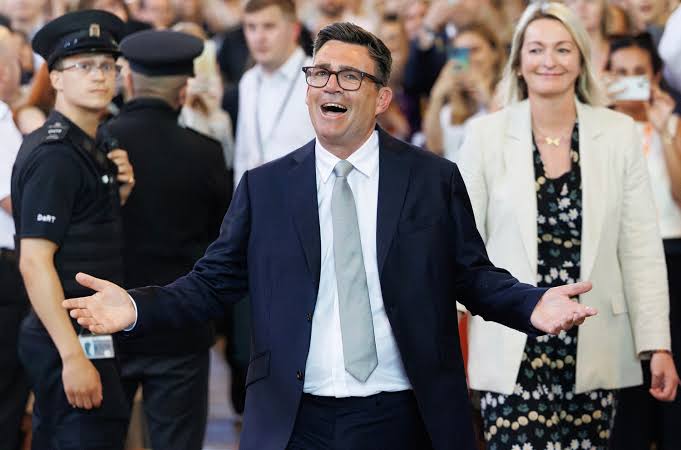


The United Kingdom has experienced an unprecedented period of political instability over the past decade, with six prime ministers leaving office before completing their full five-year terms. As Andy Burnham prepares to become the country’s next prime minister, attention has once again turned to the factors driving the frequent leadership changes at 10 Downing Street.
One of the key reasons behind the rapid turnover is the UK’s parliamentary system, where a ruling party can replace its leader without holding a general election. Internal party confidence votes, particularly within the Conservative Party, have made prime ministers vulnerable to challenges from their own MPs.
The cycle of instability began after the 2016 Brexit referendum, when David Cameron resigned following the UK’s decision to leave the European Union. Theresa May, who succeeded him, struggled to secure parliamentary approval for her Brexit agreement and eventually stepped down amid mounting pressure from within her party.
Political controversies further intensified the leadership crisis. Boris Johnson resigned in 2022 after the ‘Partygate’ scandal and growing unrest among Conservative MPs. Liz Truss’ tenure lasted just 49 days after her economic policies triggered market turmoil, making her the shortest-serving prime minister in British history. Rishi Sunak later resigned following the Conservative Party’s defeat in the 2024 general election.
Labour leader Keir Starmer also failed to complete a full term. His government faced criticism over policy reversals, welfare reforms and declining electoral support, while Reform UK’s growing popularity weakened Labour’s position. Reports suggest that senior party leaders increasingly viewed Greater Manchester Mayor Andy Burnham as a stronger political alternative, leading to Starmer’s resignation in June 2026.
Burnham, widely known as the “King of the North” for his leadership in Greater Manchester, is set to formally assume office on Monday. He is also expected to announce his new Cabinet as he begins his tenure as the UK’s latest prime minister.
The frequent changes at the top highlight the unique nature of British politics, where party confidence, public opinion, policy performance and electoral fortunes can quickly determine the future of a serving prime minister.