
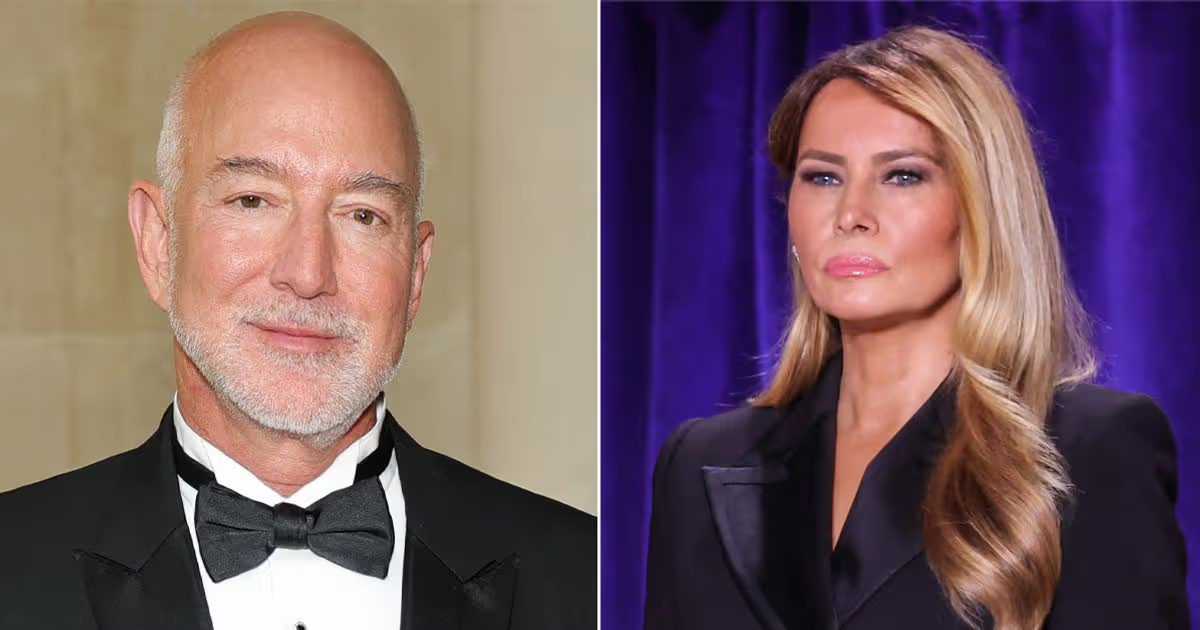


Amazon founder and executive chairman Jeff Bezos has broken his silence regarding the controversial, high-budget documentary Melania, strictly denying any personal involvement in its acquisition while vigorously defending the financial gamble.
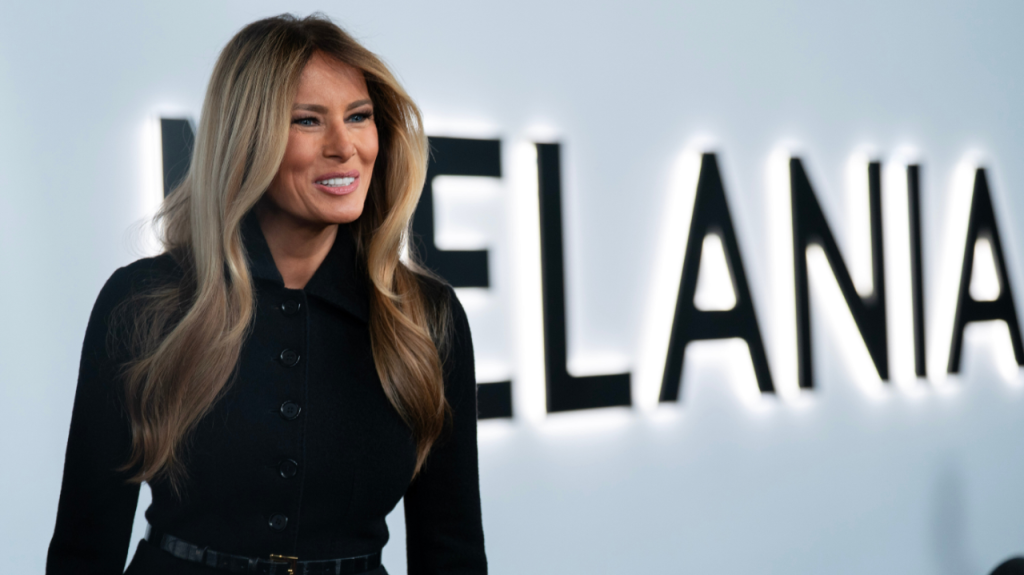
Speaking with CNBC’s Andrew Ross Sorkin on Squawk Box, the billionaire businessman addressed the intense public and political scrutiny that has plagued the project since its theatrical rollout. Despite heavy critical blowback and a soft global box office run, Bezos insisted that public curiosity made the massive investment a highly profitable success for the studio.
“The ‘Melania’ thing is a falsehood that will not die,” Bezos stated firmly, addressing long-standing rumors that he personally greenlit the film following a private Mar-a-Lago dinner with the former First Lady. “I see it reported all the time that somehow I was involved in this, but I had nothing to do with that. Amazon’s a big company, it makes a lot of decisions.” However, looking at the data, Bezos praised his studio heads, adding, “By the way, it appears it was a good business decision. It did very well in theaters. It’s done very well on streaming. People are very curious about Melania. So even though I had nothing to do with it, it appears that the Amazon team made a very wise business decision.”
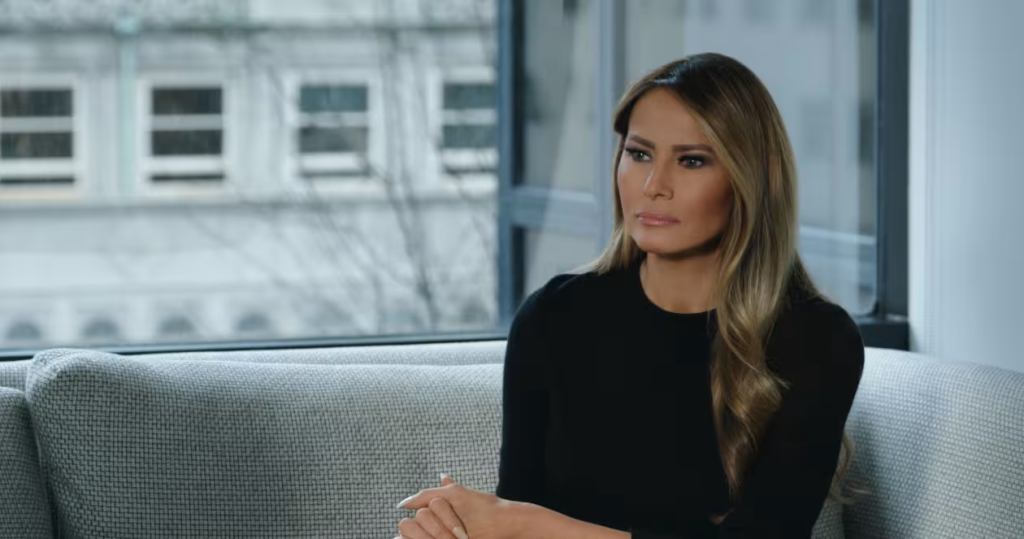
Political Backlash: The film’s massive valuation drew sharp criticism from Democratic Senator Elizabeth Warren, who labeled the deal “an apparent pay-to-play arrangement” designed to curry favor with the Trump administration. Amazon officially denied the allegations, citing the film’s “cultural and historical relevance.”
Dissecting the $75 Million Financial Gamble
The documentary—which chronicles a fly-on-the-wall perspective of 20 days in Melania Trump’s life leading up to the 2025 presidential inauguration—carried an unprecedented financial footprint for the non-fiction genre. Amazon MGM Studios secured the project following an aggressive post-election bidding war, vastly outbidding competitors like Disney with a staggering $40 million acquisition fee. Out of that initial licensing cost, Melania Trump herself reportedly pocketed 70% (approximately $28 million) as an executive producer with strict editorial control.
Directed by Rush Hour filmmaker Brett Ratner, the production took a highly unconventional path to screens, bypassing traditional press screenings entirely before its theatrical premiere on January 30, 2026. While the film initially generated strong momentum with a $7 million opening weekend, domestic ticket sales quickly plateaued, wrapping its worldwide theatrical run at $16.7 million. Because theaters retain a significant percentage of ticket revenue, industry insiders estimate the studio recouped less than $10 million from cinemas, relying almost entirely on high internal viewership metrics on Prime Video to offset losses.
Critical Backlash vs. Content Strategy
While Amazon points to streaming data to justify the bottom line, the film’s creative execution has been universally panned by critics. Reviewers heavily targeted the documentary’s highly polished, overly curated aesthetic, with The Guardian describing it as an “airbrushed infomercial” and a “gilded trash remake.” The film captures rigid interactions, including Melania addressing her husband formally as “Mr. President” over phone calls, leading critics to argue that the project failed to provide any vulnerable or authentic insight into the notoriously private figure.
Despite the artistic panning, the Melania project underscores a growing, high-stakes content strategy dominating modern Hollywood. Streaming platforms are increasingly willing to pay extreme premiums for exclusive access to polarizing, globally recognized figures, betting that immediate social media engagement and subscriber retention will outweigh traditional box office metrics. Whether the film maintains long-term viewer resonance remains to be seen, but its massive budget and political ripple effects have already left an undeniable mark on the media landscape.