
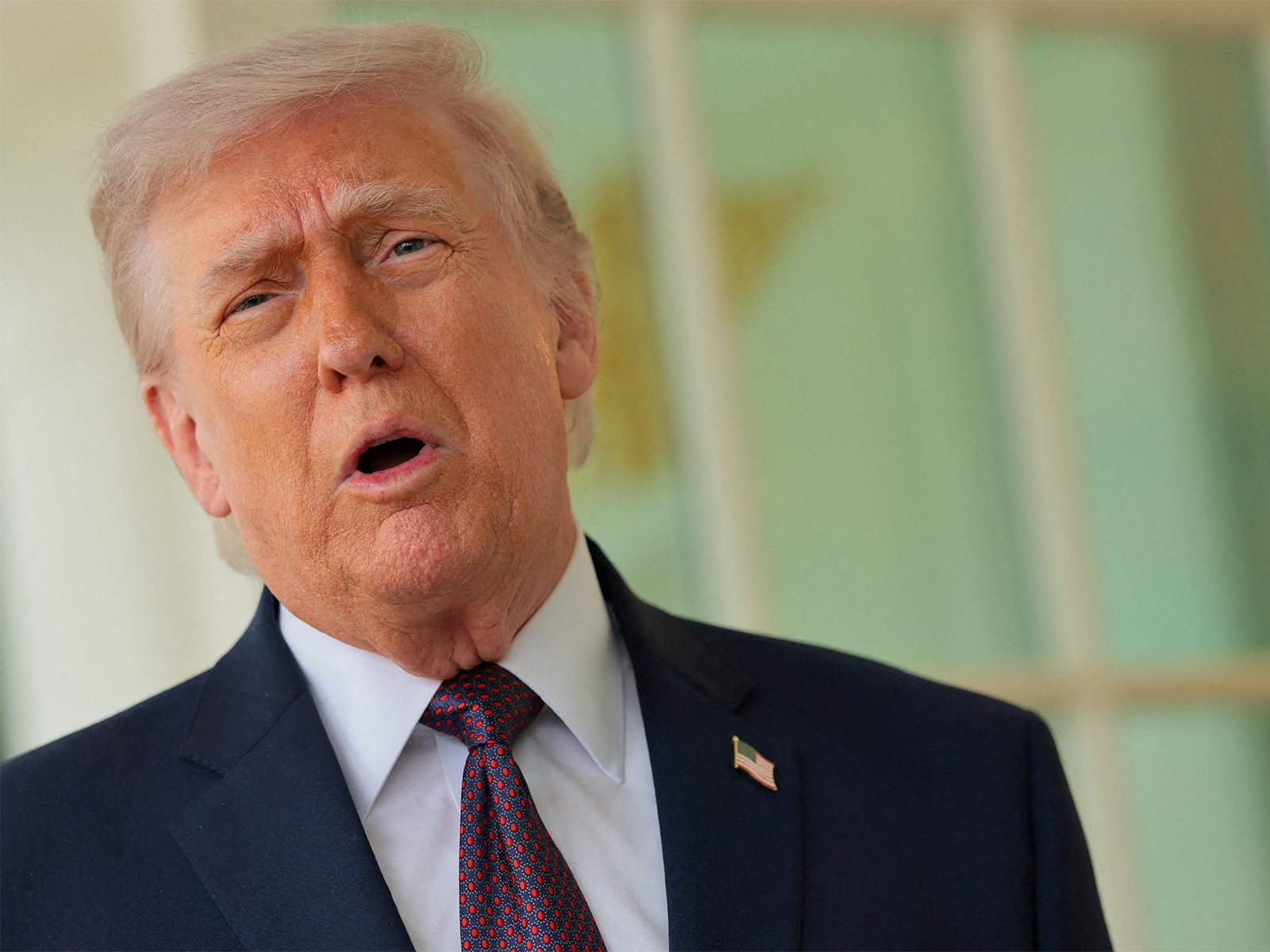


Momentum is building for a potential diplomatic breakthrough in Islamabad as the ceasefire between the United States and Iran nears its expiration. According to reports on April 21, 2026, US President Donald Trump may travel to Pakistan to participate in person or virtually, provided an agreement is ready for signing.
While previous rounds of talks in Islamabad ended without a breakthrough, both Washington and Tehran have shown fresh signals of engagement to prevent a return to the “Seven-Week War.”
🕊️ The Road to the “Islamabad Summit”
Negotiations are reportedly “on track” to resume as early as Wednesday.
- Trump’s Participation: A Pakistani source indicated that Trump is prepared to join the talks if the negotiations reach a stage where a formal deal can be inked.
- Vice President’s Role: While reports initially suggested JD Vance had already departed, sources now confirm he is expected to lead the preliminary discussions in Pakistan shortly.
- Tehran’s Stance: After initially ruling out further dialogue, senior Iranian officials are “positively reviewing” the invitation, though they maintain that Iran will not negotiate under “threats of submission.”
The Negotiating Table: Key Demands
Both nations are entering the room with rigid, competing objectives:
- The US Position: Trump has reiterated that any deal must permanently block Iran’s path to a nuclear weapon. Washington also demands an end to Iranian interference with maritime traffic in the Strait of Hormuz.
- The Iranian Position: Tehran is leveraging its control over global energy routes to secure sanctions relief. They also demand the immediate release of the commercial vessel Touska, which was intercepted by the US Navy over the weekend on suspicion of carrying dual-use military materials.
Maritime Tension and the Strait of Hormuz
The backdrop of these talks remains highly volatile. The US Navy has intercepted 27 Iran-bound ships since the blockade began.
- The Touska Standoff: Iran has condemned the “forced interception” of the vessel Touska, while US Central Command maintains the ship violated a six-hour standoff and ignored repeated warnings.
- Energy Impact: With the Strait of Hormuz handling 20% of the world’s oil and LNG, global markets are fluctuating wildly as investors wait to see if the ceasefire will be extended or if the “blockade war” will resume.
Context: A Conflict that Reshaped 2026
The war, which erupted on February 28, 2026, following US-Israeli strikes on Iran and an Israeli ground offensive in Lebanon, has already claimed thousands of lives. The current ceasefire is viewed by global powers, including China, as a fragile but necessary window to prevent a total regional collapse and global energy crisis.
President Trump: “They’re going to negotiate… hopefully they’ll make a fair deal and build their country back up, but they will not have a nuclear weapon.”