
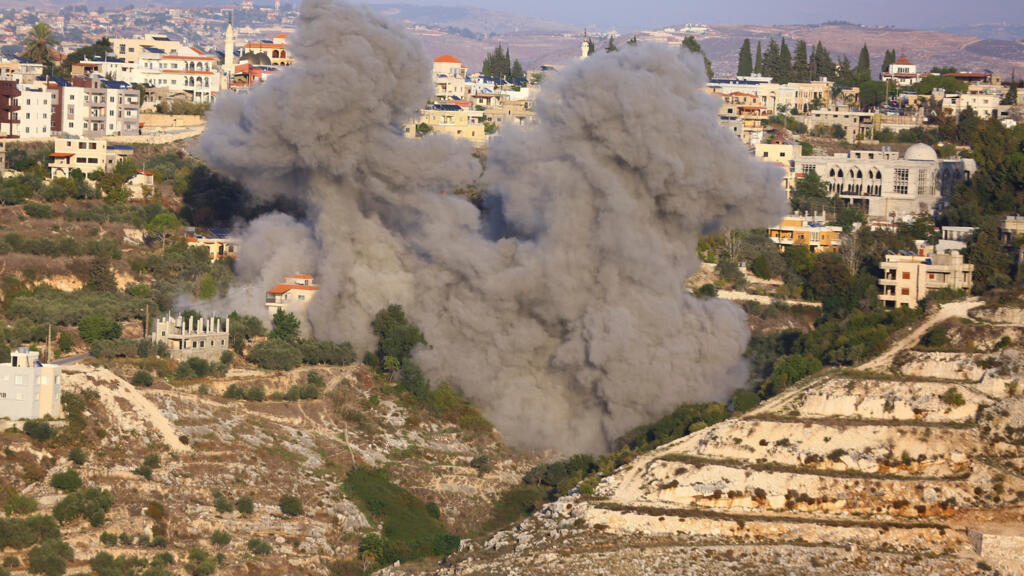


Tensions in West Asia remain high despite claims of a ceasefire between the United States and Iran, as Israel continues military operations in southern Lebanon, triggering fresh displacement warnings and casualties.
According to Lebanon’s Health Ministry, at least 12 people were killed on Friday in Israeli airstrikes in southern regions of the country. The attacks included strikes in areas where the Israeli military had reportedly issued evacuation orders, even as broader ceasefire arrangements remain in place.
In the town of Habboush, eight people were killed and 21 injured after an airstrike followed an evacuation warning. Separate strikes in Zrariyeh reportedly killed four more people and injured several others, according to official figures.
The developments come amid a fragile and contested ceasefire narrative involving the US and Iran. The Trump administration has stated that hostilities between US forces and Iran have effectively ended, citing a lack of direct exchanges since early April 2026.
In letters addressed to US congressional leaders, President Donald Trump said the conflict that began in late February had concluded following a ceasefire agreement. However, the situation in the region remains unstable, with continued military activity and strategic tensions persisting.
Iran, meanwhile, retains control over the Strait of Hormuz, a key global oil transit route. The US Navy is reportedly maintaining a blockade aimed at restricting Iranian oil shipments, further adding to regional economic and geopolitical pressure.
Separately, reports from Iranian state-linked media claim that two individuals were executed on espionage charges, allegedly linked to Israel’s intelligence agency Mossad, highlighting ongoing internal security concerns within Iran during the conflict period.
In Washington, President Trump also commented on US naval operations, describing the blockade and interception of Iranian vessels as financially beneficial, while framing it as part of broader pressure tactics against Tehran.
As military developments continue across Lebanon and wider regional tensions remain unresolved, uncertainty persists over the durability of the ceasefire and its broader geopolitical implications.