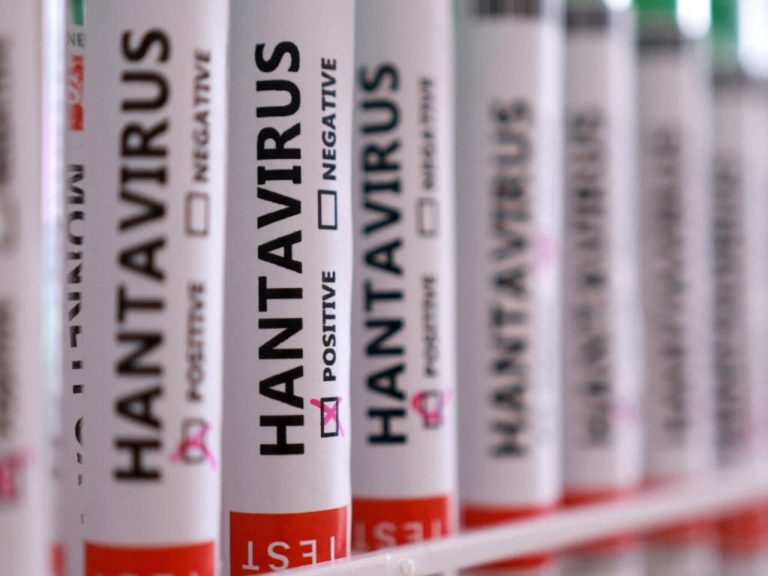
What began as a scenic expedition through South America and Antarctica has turned into a high-stakes medical investigation. The World Health Organization (WHO) has officially confirmed eight cases of the rare Hantavirus—including three tragic deaths—linked to the Dutch cruise ship MV Hondius. While the news has triggered memories of past pandemics, health officials are moving quickly to reassure the public that this is a localized crisis rather than a global threat.
A Deadly Discovery in the Deep Atlantic
The outbreak’s origins have been traced back to a seemingly harmless birdwatching excursion in Ushuaia, Argentina, near the southern tip of the world. Investigators believe this is where passengers first came into contact with the virus. The timeline of the tragedy began on April 11, when a 70-year-old Dutch passenger died on board. The virus then followed his wife to South Africa, where she also succumbed, followed by a third victim from Germany on May 2. Currently, a British passenger remains in intensive care, and the ship remains a focal point of international monitoring.
The India Connection: “No Immediate Threat”
Amid reports that two Indian crew members are among those stranded on the vessel, the Indian Council of Medical Research (ICMR) has stepped in to calm domestic fears. Dr. Naveen Kumar, Director of the National Institute of Virology (NIV), stated on Friday that there is “no immediate public health threat” to India. He emphasized that these appear to be isolated cases and, unlike COVID-19, Hantavirus does not spread easily through casual community contact.
Preparedness Over Panic
India isn’t taking any chances, however. The ICMR has confirmed that the country is fully equipped to handle any potential spillover. With a massive network of 165 Viral Research and Diagnostic Laboratories (VRDL) and the central expertise of the NIV, health authorities have the capacity to rapidly identify and isolate any suspected infections. This robust “diagnostic shield” is designed to catch cases at the border before they can lead to local transmission.
WHO: “Public Health Risk is Low”
Despite the high fatality rate of Hantavirus, WHO Director-General Dr. Tedros Adhanom Ghebreyesus has assessed the broader public health risk as low. Because the virus typically requires close, prolonged contact or direct exposure to rodent-contaminated environments to spread, it is unlikely to spiral into a mass outbreak. While Dr. Tedros warned that more cases may emerge due to the virus’s long incubation period, the current strategy of contact tracing and isolation is expected to contain the “birdwatching” outbreak to the original group of travelers.