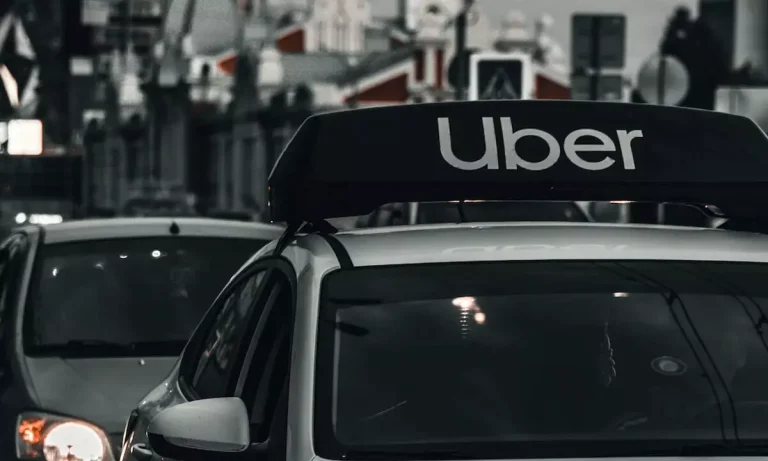
In a move that marks a fundamental shift in its business model, Uber is transitioning from a ride-hailing service into a massive data-harvesting engine for the autonomous vehicle (AV) industry. The company has launched a new initiative to turn its global fleet of millions of drivers into “data machines,” collecting real-world telemetry to train the artificial intelligence of the future.
The Strategy: Uber AV Labs
The core of this pivot is the newly formed Uber AV Labs. While the project is currently in its early stages—using specialized vehicles like the Hyundai Ioniq 5—the long-term plan involves equipping standard driver-owned cars with advanced sensors.
According to Uber CTO Praveen Neppalli Naga, the bottleneck for self-driving technology has shifted from writing code to acquiring diverse, high-volume data. Uber’s network provides the perfect “real-world lab” to solve this.
Key Pillars of the Pivot
1. The “AV Cloud”
Uber is building a searchable repository of multi-sensor data. This AV Cloud allows partners to buy or access specific driving scenarios, such as:
- Navigating complex, unprotected left turns.
- Driving in extreme weather conditions (heavy rain, snow, or fog).
- Reacting to unpredictable pedestrian behavior.
2. Strategic Partnerships
Uber has already teamed up with approximately 25 autonomous firms, including industry giants like NVIDIA and Wayve. These companies use Uber’s raw data to refine their machine-learning models and push toward Level 4 autonomy (high automation without human intervention).
3. “Shadow Mode” Testing
Using high-resolution, unblurred footage, Uber’s AI partners can practice “shadow mode” testing. The AI predicts what the car should do during a real-world trip driven by a human, compares its decision to the human’s action, and learns from the results—all without actually taking control of the vehicle.
The 2026 and 2029 Vision
This data-centric shift is part of an aggressive roadmap:
- By the end of 2026: Uber aims to offer autonomous rides in 15 major cities.
- By 2029: The company intends to be the world’s largest facilitator of autonomous vehicle trips.
By “democratizing” data, Uber hopes to widen safety margins for the entire industry, positioning itself not just as a platform to book a car, but as the essential digital infrastructure that keeps self-driving cars on the road.