
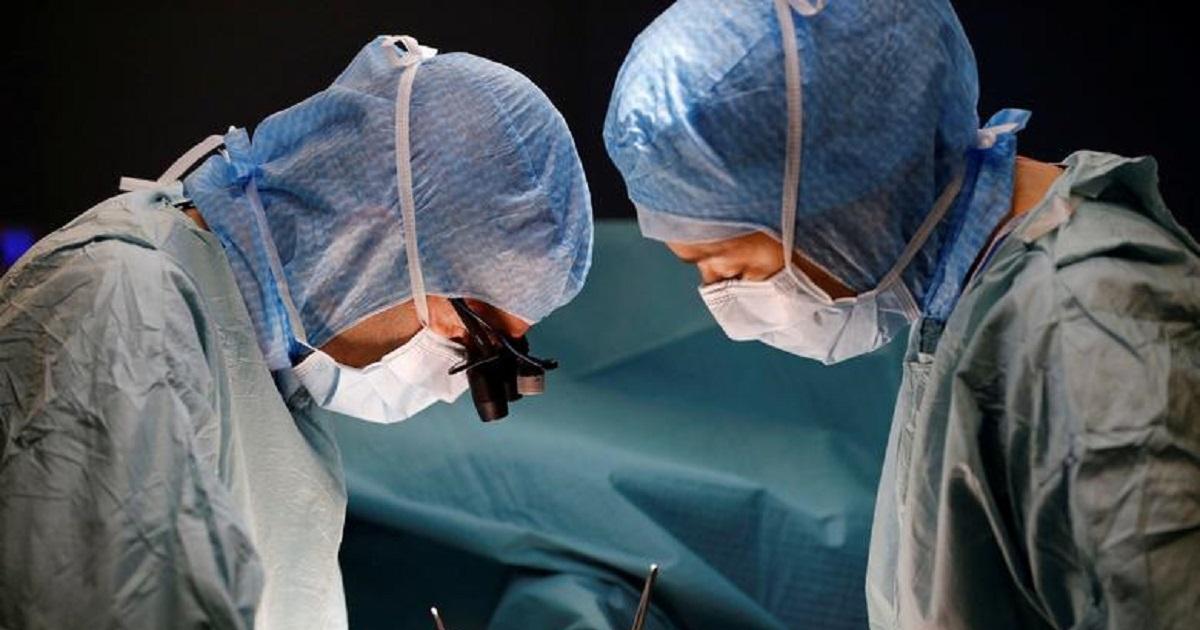

 transplant programme)
All India Institute of Medical Sciences in Delhi has successfully revived its simultaneous pancreas-kidney (SPK) transplant programme after an 18-year gap, performing a rare dual-organ transplant on a 30-year-old patient from Haryana suffering from advanced kidney failure caused by long-term Type 1 diabetes.
The breakthrough surgery could significantly improve the lives of patients with severe diabetes complications by potentially eliminating the need for lifelong insulin injections and dialysis.
Rare Dual-Organ Surgery Successfully Performed
The complex transplant surgery was carried out on April 14 and involved transplanting both the pancreas and kidney from a brain-dead donor into the patient.
Doctors said the patient is currently stable, showing healthy graft function and near-normal blood sugar levels with minimal insulin support. His kidney function has also stabilised, removing the immediate need for dialysis.
The patient had reportedly been suffering from serious complications linked to long-standing Type 1 Diabetes, including neuropathy, retinopathy and cardiomyopathy. His condition was considered especially critical because his heart’s ejection fraction had fallen to just 25 percent.
Despite the high risk, doctors successfully completed the surgery in nearly two and a half hours, and the patient was discharged after around two weeks of recovery.
Third Simultaneous Pancreas-Kidney Transplant At AIIMS
This marks only the third simultaneous pancreas-kidney transplant performed at AIIMS Delhi.
The institute had earlier achieved India’s first successful SPK transplant in 2004, followed by another successful procedure in 2008. Doctors involved in those cases said both patients eventually became free from insulin injections and dialysis after surgery.
Large Multidisciplinary Team Led The Operation
The transplant procedure was led by Prof VK Bansal, Prof Asuri Krishna, Dr Sanjeet Rai and Dr Sushant Soren, with support from renal transplant experts Prof Ashish Sharma and Dr Deepesh.
The operation involved specialists from multiple departments, including surgery, nephrology, endocrinology and anaesthesiology. Endocrinology support was provided by Prof Nikhil Tandon, while nephrology teams were led by Prof Dipankar Bhowmik and Prof Sandeep Mahajan.
Green Corridor Helped Transport Donor Organs
Doctors explained that pancreas transplantation is particularly challenging because the organ cannot be donated by a living donor and must come from a brain-dead donor.
In this case, the pancreas and kidney were retrieved from a 50-year-old brain-dead donor at Pandit Bhagwat Dayal Sharma Post Graduate Institute of Medical Sciences.
Authorities from the National Organ and Tissue Transplant Organization, Organ Retrieval Banking Organization (ORBO), Haryana Police and Delhi Police coordinated a green corridor to ensure rapid transportation of the organs to Delhi.
One Of India’s Most Complex Transplant Procedures
Medical experts described pancreas transplantation as one of the most technically demanding surgeries because the pancreas is extremely delicate and vulnerable to injury during retrieval and transplantation.
Complications such as pancreatitis, bleeding and graft failure remain major concerns if the organ is damaged.
Currently, only five to six medical centres in India actively perform pancreas transplants, with the total number of such surgeries in the country estimated at around 150 to 200 so far.
AIIMS Delhi reportedly has around 8 to 10 patients currently waiting for simultaneous pancreas-kidney transplantation.
Lifelong Monitoring Still Required
While the surgery can dramatically improve quality of life, doctors emphasised that patients still require lifelong immunosuppressive medication to prevent organ rejection after transplantation.
These medicines increase vulnerability to infections, making long-term medical monitoring essential.
However, specialists believe successful simultaneous pancreas-kidney transplantation can help patients with severe Type 1 diabetes achieve near-normal lives with significantly reduced dependence on insulin and dialysis.