
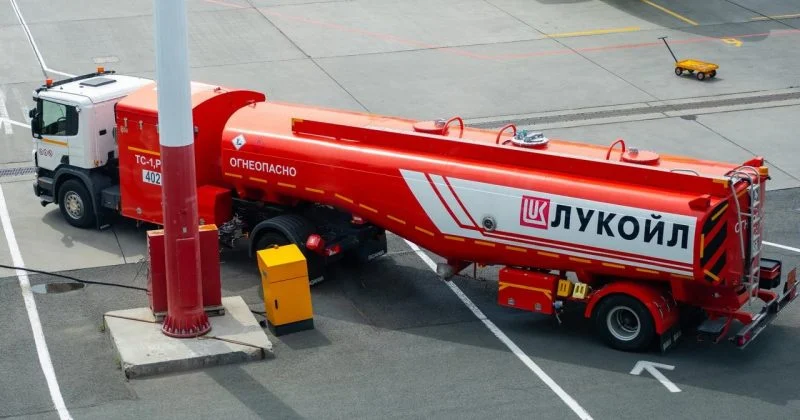


Russia has announced a temporary ban on the export of aviation fuel until the end of November, a move that comes amid growing pressure on the country’s energy sector as Ukraine steps up attacks on critical fuel and energy infrastructure.
The Russian government said the decision was aimed at maintaining stability in the domestic fuel market, which has faced increasing strain due to the ongoing war and repeated attacks on oil-related facilities.
In an official statement released on Monday, Moscow confirmed that the export restrictions would remain in force through November.
“The purpose of this decision is to ensure stability in the domestic fuel market,” the government said.
However, officials clarified that the ban would not apply to fuel shipments made under existing intergovernmental agreements.
Ukraine Expands Campaign Against Russian Energy Infrastructure
The announcement comes as Ukraine intensifies its long-range strike campaign against Russian energy assets.
Over recent weeks, Ukrainian forces have targeted refineries, fuel depots, storage facilities and pipelines deep inside Russian territory. Some attacks have reportedly reached regions near the Ural Mountains, far from the front lines of the conflict.
Kyiv has increasingly relied on drones and long-range strike capabilities to disrupt Russia’s energy network, seeking to weaken a sector that remains crucial to Moscow’s economy and military operations.
Many of these attacks have triggered large fires and temporary disruptions at targeted facilities. However, the full extent of the damage and its long-term impact on Russia’s fuel production and distribution systems remains difficult to independently verify.
Pressure Mounts on Russia’s Fuel Market
Russia is one of the world’s largest producers and exporters of oil and natural gas, making the stability of its energy sector a key strategic priority.
The latest aviation fuel export ban is not the first measure introduced by Moscow to safeguard domestic supplies. Russian authorities have previously imposed restrictions on gasoline exports as concerns over fuel availability and market stability increased during the conflict.
Analysts say maintaining adequate fuel supplies within Russia has become increasingly important as military operations continue and seasonal demand fluctuates.
By limiting exports, the government hopes to prevent shortages and reduce potential price volatility in the domestic market.
Energy Facilities Become Key Targets in the War
Since the start of the conflict, energy infrastructure has emerged as a major battleground between Russia and Ukraine.
While Russia continues to launch frequent missile and drone attacks on Ukrainian cities and critical infrastructure, Ukraine has increasingly responded by targeting Russian oil and fuel facilities.
The strategy is aimed at disrupting supply chains, increasing operational costs and creating logistical challenges for Russian industry and military operations.
For Ukraine, striking energy infrastructure also serves as a way to bring the economic consequences of the war deeper into Russian territory.
Growing Economic Impact of the Conflict
The latest export restrictions highlight how the war is increasingly affecting economic sectors beyond the battlefield.
As attacks on refineries and fuel storage facilities become more frequent, both Russia and Ukraine are seeking ways to protect critical infrastructure while maintaining essential supplies.
The aviation fuel export ban signals Moscow’s concern about potential disruptions in fuel availability and reflects the broader challenges facing Russia’s energy sector as the conflict enters another intense phase.
With Ukrainian strikes reaching deeper into Russian territory and both sides continuing to target strategic infrastructure, energy security is likely to remain a key factor shaping the course of the war in the months ahead.