
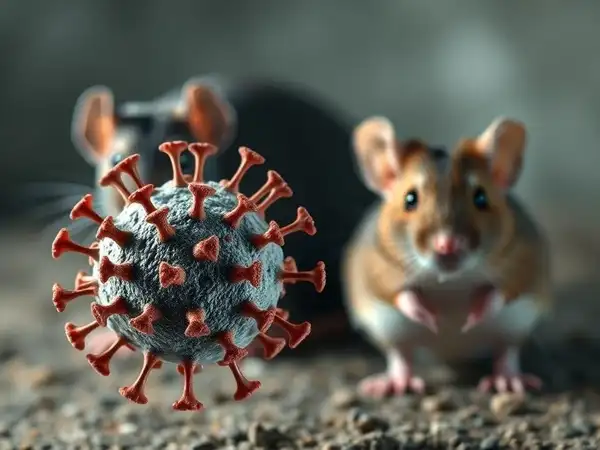


LONDON / GLOBAL — In a world still reeling from the memory of COVID-19, news of a viral outbreak aboard the cruise ship MV Hondius has sparked a fresh wave of anxiety. Reports of multiple deaths and infections linked to hantavirus have moved the discussion from sanitation concerns to global health security.
While social media is abuzz with “next pandemic” fears, health experts are urging for a measured perspective. Here is everything you need to know about the virus, the current outbreak, and the actual level of risk.
What is Hantavirus?
Hantaviruses are a family of viruses primarily carried by rodents, including rats, mice, and voles. Unlike many other viral threats, hantavirus is zoonotic, meaning it jumps from animals to humans.
- Primary Transmission: Most people are infected by inhaling dust contaminated with the urine, saliva, or droppings of infected rodents—often in enclosed spaces like cabins, barns, or warehouses.
- The Bite Factor: While rare, the virus can also be transmitted through the bite or scratch of an infected rodent.
- Human-to-Human Spread: This is the biggest point of confusion. Most strains do not spread between humans. However, the Andes strain (currently suspected in the cruise ship cluster) is a rare exception capable of limited person-to-person transmission through prolonged close contact.
The Danger: Hantavirus Pulmonary Syndrome (HPS)
The reason hantavirus commands such respect in the medical community is its high fatality rate. In the Americas, it often manifests as Hantavirus Pulmonary Syndrome (HPS).
| Stage | Symptoms |
| Early (Flu-like) | Fever, fatigue, muscle aches (especially in the thighs, hips, and back), and dizziness. |
| Late (Respiratory) | Severe coughing and shortness of breath as the lungs fill with fluid. |
The Fatality Rate: According to the CDC and WHO, the mortality rate for HPS can be as high as 35% to 50%. This makes it far more lethal on an individual basis than the seasonal flu, though it is significantly less contagious.
Why Experts Aren’t Panicking (Yet)
Despite the terrifying mortality statistics, virologists argue that a “global lockdown” scenario is unlikely for several reasons:
- Low Transmissibility: Even the Andes strain does not spread with the efficiency of a respiratory virus like COVID-19 or the flu.
- Environmental Limits: Infection is largely tied to specific environmental exposures (rodent-infested areas) rather than community interaction.
- Historical Context: In the U.S., only 864 cases have been confirmed since surveillance began in 1993. It remains a rare disease.
The “Post-Pandemic” Lens
The intense reaction to the MV Hondius cluster reflects a shift in global psychology. Public health experts note that we now view every zoonotic outbreak through the lens of collective trauma. While the broader public risk remains low, the outbreak serves as a “warning shot.”