
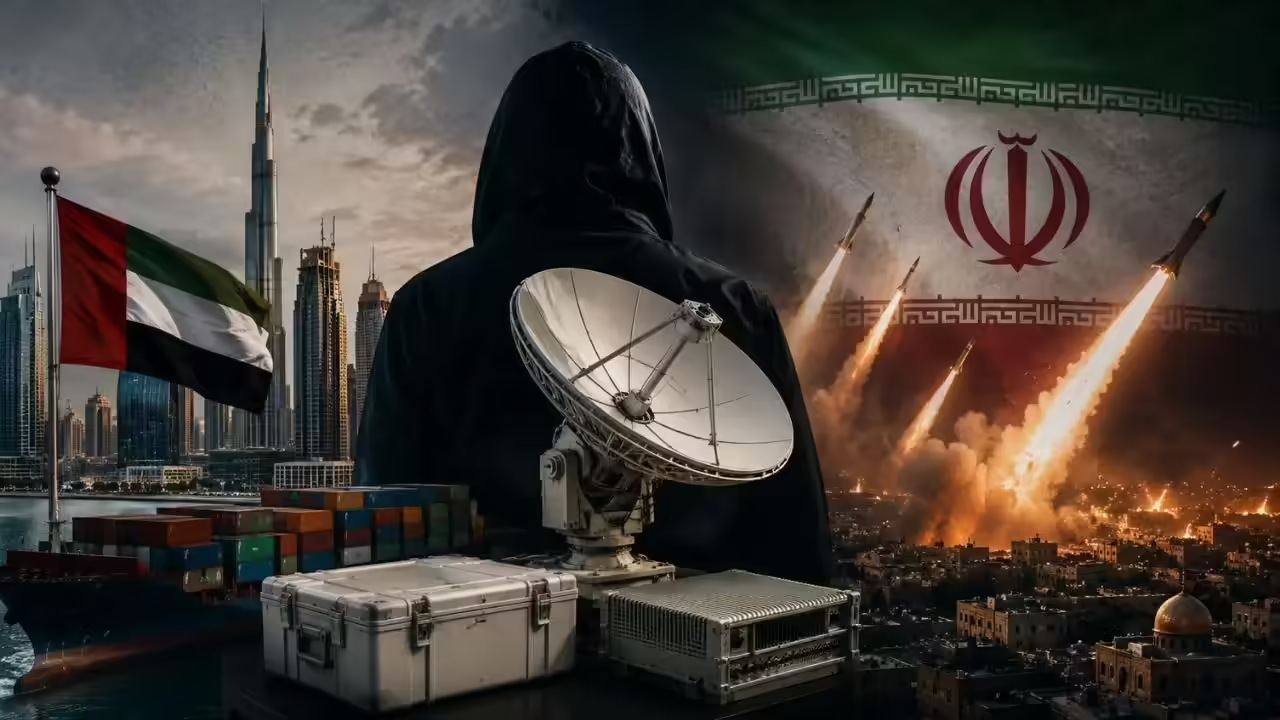


The United States has announced a new round of sanctions against an Iran-linked procurement network accused of obtaining sensitive military technology through deceptive practices and sanctions evasion.
According to US officials, the network allegedly targeted American technology companies, used fake corporate identities, and routed shipments through intermediaries before transferring the equipment to Iran. The measures form part of Washington’s broader effort to restrict Iran’s military procurement and weapons development activities.
Network Allegedly Used Fake Companies And Websites
US authorities claim the procurement network impersonated legitimate American businesses to acquire advanced technological equipment.
Investigators allege that the operation:
- Created fake websites resembling US companies
- Contacted American technology suppliers under false identities
- Purchased sensitive equipment worth millions of dollars
- Routed shipments through intermediary entities in Dubai
- Smuggled products into Iran in violation of sanctions
The network is reportedly linked to Iran-based businessman Ali Majd Sepehr, who US officials identify as a key figure in the operation.
Advanced Military Technology Under Scrutiny
According to the US State Department, the network sought equipment that could potentially support Iran’s defence and military sectors.
Items allegedly obtained included:
- Spectrum analyzers
- Security detection systems
- Electronic components
- Technologies with potential military applications
US officials argue that such equipment could contribute to Iran’s defence capabilities and weapons development programmes.
Treasury Targets Companies Across Multiple Regions
Alongside the sanctions announcement, the US Treasury Department imposed restrictions on 10 individuals and companies located across:
- West Asia
- East Asia
- Eastern Europe
Several firms based in China, Hong Kong, and Belarus were among those sanctioned for allegedly assisting Iran’s procurement efforts.
The Treasury Department claims these entities helped facilitate the acquisition and transfer of restricted technologies and components destined for Iranian military-linked organisations.
Links To Iran’s Defence Procurement Activities
Washington alleges that some sanctioned entities were connected to procurement networks supporting:
- Iran’s ballistic missile programme
- Military technology acquisition
- Defence research activities
- Shahed-series drone production
US authorities also sanctioned an Iran-based company accused of sourcing electronic components and servomotors that were later identified in recovered drone systems.
Part Of Washington’s “Maximum Pressure” Strategy
The latest measures are part of the US administration’s ongoing sanctions campaign aimed at limiting Iran’s military capabilities and restricting access to foreign technology.
Officials say the objective is to:
- Disrupt procurement networks
- Prevent access to sensitive technologies
- Restrict military supply chains
- Increase economic pressure on sanctioned entities
The sanctions expand existing efforts targeting organisations and individuals accused of supporting Iran’s defence sector.
What The Sanctions Mean
Under US sanctions rules:
- Any assets or property connected to designated individuals and entities within US jurisdiction are blocked.
- American individuals and businesses are generally prohibited from conducting transactions with sanctioned parties.
- Foreign financial institutions that continue to engage with sanctioned entities may face secondary sanctions and restrictions.
US officials say enforcement actions will continue against networks suspected of helping Iran acquire restricted military technologies.
Broader Implications
The latest sanctions underscore continuing tensions between Washington and Tehran over defence activities, weapons procurement, and regional security concerns.
While US authorities view the measures as necessary to disrupt military supply chains, the sanctions are likely to further complicate economic and diplomatic relations between the two countries as broader discussions over security and regional stability continue.