
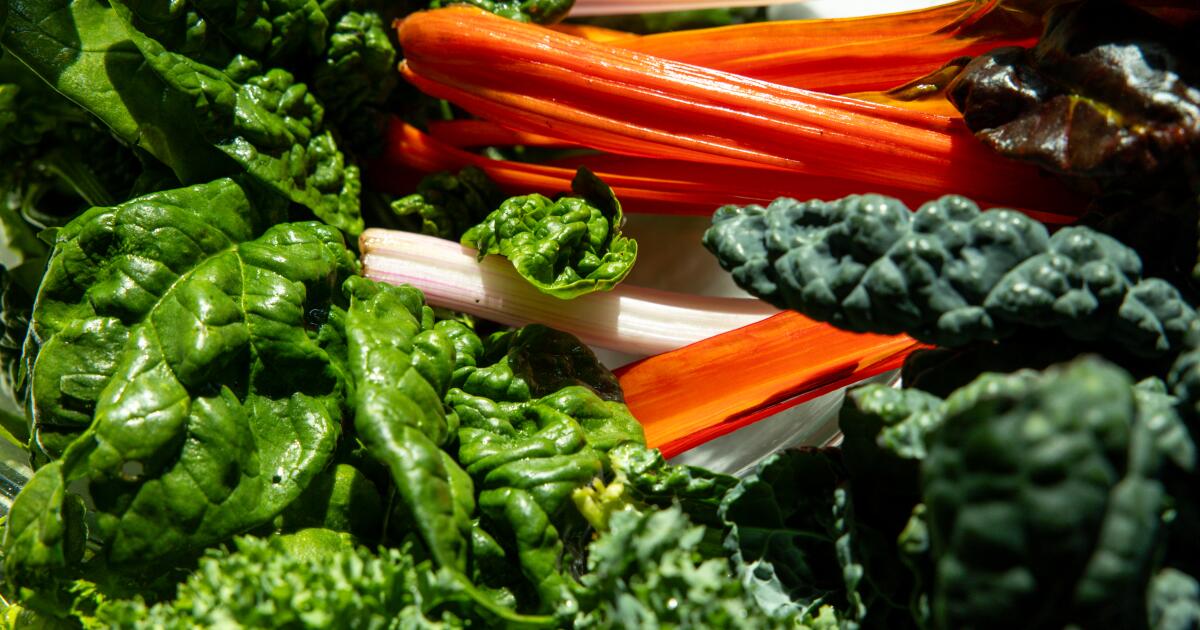


A growing outbreak of Cyclospora infections in the United States has raised fresh concerns about the safety of leafy greens, with health authorities investigating lettuce and other salad vegetables as a possible source. While no specific product has been confirmed, the outbreak has prompted increased scrutiny of fresh produce and renewed conversations around food safety.
What Is Cyclospora?
Cyclospora (Cyclospora cayetanensis) is a microscopic parasite that infects the intestines and causes cyclosporiasis, an illness commonly spread through contaminated food or water. Fresh produce eaten raw, including lettuce and salad greens, is often linked to outbreaks.
Unlike many foodborne bacteria, Cyclospora does not spread directly from person to person because the parasite requires time in the environment before becoming infectious.
Symptoms To Watch For
Symptoms usually develop about a week after exposure and may include:
- Frequent watery diarrhoea
- Stomach cramps
- Bloating
- Nausea
- Fatigue
- Loss of appetite
- Weight loss
Without treatment, the illness can last for several weeks or recur after temporary improvement. Severe diarrhoea may also lead to dehydration, particularly in children, older adults and those with weakened immune systems.
Should You Stop Eating Salads?
Health experts say there is no need to avoid salads altogether. Although the outbreak is being investigated, the overall risk remains relatively low for most people. However, consumers are advised to be extra cautious when handling fresh produce.
How To Reduce Your Risk
To minimise the chances of infection:
- Wash fruits and vegetables thoroughly under running water.
- Refrigerate produce soon after washing.
- Peel fruits and vegetables where possible.
- Choose fresh, undamaged lettuce and leafy greens.
- Cook vegetables when appropriate, as heat is the most effective way to eliminate the parasite.
- Stay hydrated and seek medical attention if diarrhoea persists or symptoms become severe.
While investigators continue tracing the source of the outbreak, following good food hygiene practices remains the best way to reduce the risk of Cyclospora infection.