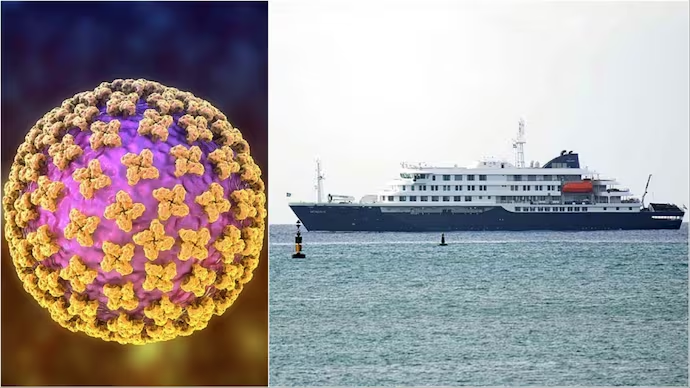
A recent outbreak of Hantavirus aboard the cruise ship MV Hondius has put global health authorities on high alert. While the virus is rare and primarily spread by rodents, this specific event is being closely monitored due to the suspected involvement of the Andes virus—the only strain known to potentially spread from person to person.
What is Hantavirus?
Hantaviruses are a family of viruses transmitted mainly by rodents. Humans typically become infected through:
- Inhalation: Breathing in dust contaminated with infected rodent urine, droppings, or saliva.
- Direct Contact: Touching contaminated surfaces and then touching the mouth or nose.
- Bites: Although rare, a bite from an infected rodent can transmit the virus.
Why This Outbreak is Different
The current situation in May 2026 involves passengers from over 12 countries. Health experts are particularly concerned because:
- Suspected Human-to-Human Transmission: The Andes strain, linked to South America, can spread between people through close, prolonged contact.
- High Fatality Rate: Hantavirus Pulmonary Syndrome (HPS) has a mortality rate of approximately 35% to 40%.
- Long Incubation Period: Symptoms can take 1 to 8 weeks to appear, making contact tracing difficult after passengers have returned home.
Comparison: Hantavirus vs. COVID-19
Despite the concern, experts emphasize that Hantavirus is unlikely to become a pandemic like COVID-19.
| Feature | Hantavirus (Andes Strain) | COVID-19 |
|---|---|---|
| Ease of Spread | Very difficult; requires close, prolonged contact. | Highly contagious; spreads through casual contact. |
| Primary Source | Rodents (Zoonotic). | Human-to-human. |
| Fatality Rate | Very high (~35%). | Relatively low (~1-2% on average). |
| Global Threat | Likely to remain a “limited outbreak.” | Highly prone to rapid global surges. |
Export to Sheets
Symptoms and Treatment
Early symptoms often mimic the flu, which can lead to delayed diagnosis:
- Initial Phase: Fever, chills, muscle aches, and fatigue.
- Late Phase (4-10 days later): Shortness of breath, coughing, and fluid buildup in the lungs.
Treatment: There is no specific cure or vaccine for Hantavirus. Survival depends heavily on early medical intervention, typically involving intensive care and oxygen therapy.
Prevention Tips
The best way to prevent infection is to minimize contact with rodents:
- Seal Gaps: Close holes in homes or cabins to prevent rodent entry.
- Safe Cleaning: Do not sweep or vacuum rodent droppings (this stirs up dust). Instead, use a disinfectant or bleach solution to wet the area before cleaning.
- Ventilation: Air out enclosed spaces like sheds or cabins before entering.