
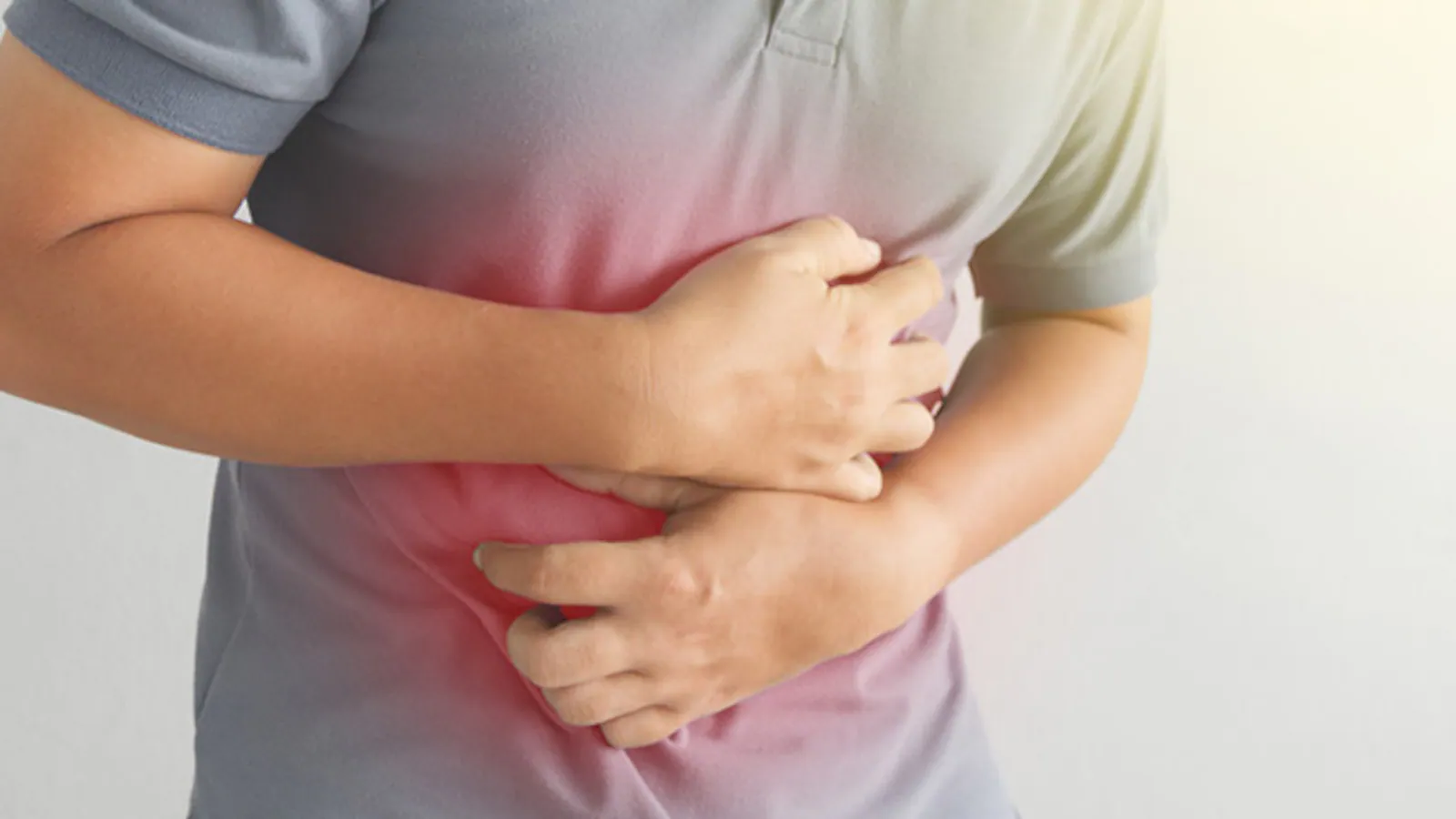


With the India Meteorological Department (IMD) forecasting widespread monsoon showers across the country, the rainy season brings much-needed relief from scorching summer temperatures. However, it also creates ideal conditions for foodborne illnesses.
Higher humidity, warmer temperatures, contaminated water, poor food storage and rapid microbial growth significantly increase the risk of food poisoning during the monsoon. If left unchecked, contaminated food and water can lead to diarrhoea, vomiting, stomach infections, dehydration and other gastrointestinal illnesses.
Understanding the factors that contribute to food poisoning can help you take simple yet effective precautions to keep yourself and your family safe.
15 Factors That Increase The Risk Of Food Poisoning During Monsoon
1. High Humidity Speeds Up Bacterial Growth
The damp weather during the rainy season creates ideal conditions for bacteria to multiply rapidly. According to research published in the International Journal of Environmental Research and Public Health, high humidity accelerates bacterial growth, making food spoil much faster when left at room temperature.
2. Moisture Causes Food To Spoil Quickly
Cooked food deteriorates more rapidly during the monsoon because of increased moisture in the air. Freshly prepared meals should be consumed as soon as possible rather than being left out for extended periods.
3. Harmful Foodborne Bacteria Thrive
Common disease-causing bacteria such as Salmonella, Escherichia coli (E. coli), Campylobacter and Staphylococcus aureus can contaminate food and cause food poisoning. Avoid consuming food that smells unpleasant, looks discoloured or shows signs of spoilage.
4. Contaminated Water Can Spread Infection
Flooding and waterlogging often contaminate drinking water sources during the rainy season. Food prepared with contaminated water or washed using unsafe water can expose people to harmful bacteria and viruses.
5. Unsafe Drinking Water
Drinking untreated or contaminated water significantly increases the risk of waterborne diseases. Always consume boiled, filtered or properly purified drinking water during the monsoon.
6. Ice Cubes, Street Drinks And Raw Produce
Ice prepared from contaminated water, roadside beverages and unwashed fruits or vegetables may contain harmful microbes. Hidden contamination in these foods often goes unnoticed.
7. Street Food Carries Greater Risk
Street food is more vulnerable to contamination during the rainy season due to exposure to moisture, dust, insects and poor hygiene practices. Freshly cooked food from hygienic sources is generally a safer choice.
8. Rainwater And Dust Can Contaminate Food
Open food stalls are particularly susceptible to contamination from rainwater, airborne dust and polluted surroundings, increasing the likelihood of foodborne illnesses.
9. Poor Food Storage Practices
Leaving food uncovered or storing it improperly allows bacteria to multiply quickly. Proper storage is essential to maintain food safety.
10. Mistakes In Home Food Storage
Improper refrigeration, storing leftovers incorrectly or allowing cooked food to remain outside for long periods can all increase the risk of food poisoning.
11. Leaving Food At Room Temperature
Warm and humid conditions create the perfect environment for microbes to grow. Cooked food should be refrigerated promptly if it is not consumed immediately.
12. Refrigeration Errors
Repeatedly reheating food or storing it at unsuitable temperatures can encourage bacterial growth. Refrigerate leftovers promptly and avoid reheating the same food multiple times.
13. Unwashed Fruits And Vegetables
Fresh produce may carry dirt, pesticides and harmful microorganisms. Washing fruits and vegetables thoroughly under clean running water before consumption is essential.
14. Lower Digestive Immunity During Monsoon
Seasonal changes may make the digestive system more vulnerable to infections. Studies published in Environmental Perspectives suggest that gastrointestinal infections often rise during the monsoon.
15. Seasonal Gut Infections Become More Common
The combination of contaminated food, unsafe water and increased bacterial activity leads to a higher incidence of diarrhoea, stomach infections and other digestive illnesses during the rainy season.
Who Is Most At Risk?
Certain groups are more likely to develop severe complications from food poisoning and should take extra precautions:
- Children
- Older adults
- Pregnant women
- People with weakened immune systems
Warning Signs Of Food Poisoning
Food poisoning symptoms may appear within hours or even days after consuming contaminated food.
Common Symptoms
- Nausea
- Vomiting
- Diarrhoea
- Abdominal cramps
- Fever
- Dehydration
Seek Immediate Medical Attention If You Experience
- Blood in stools
- Severe dehydration
- Persistent vomiting
- High fever
- Symptoms that worsen or do not improve
Tips To Prevent Food Poisoning During Monsoon
- Drink only boiled or purified water.
- Wash fruits and vegetables thoroughly before eating.
- Eat freshly prepared meals whenever possible.
- Refrigerate leftovers promptly.
- Avoid reheating food multiple times.
- Be cautious while consuming street food, especially during heavy rains.
- Maintain proper kitchen hygiene by cleaning utensils, cutting boards and food preparation surfaces regularly.
- Wash your hands thoroughly before handling or eating food.
Simple precautions can significantly reduce the risk of foodborne illnesses and help you stay healthy throughout the rainy season.
Disclaimer: This article is intended for informational purposes only and should not be considered a substitute for professional medical advice, diagnosis or treatment. Consult a qualified healthcare provider if you experience symptoms of food poisoning or any other medical condition.