
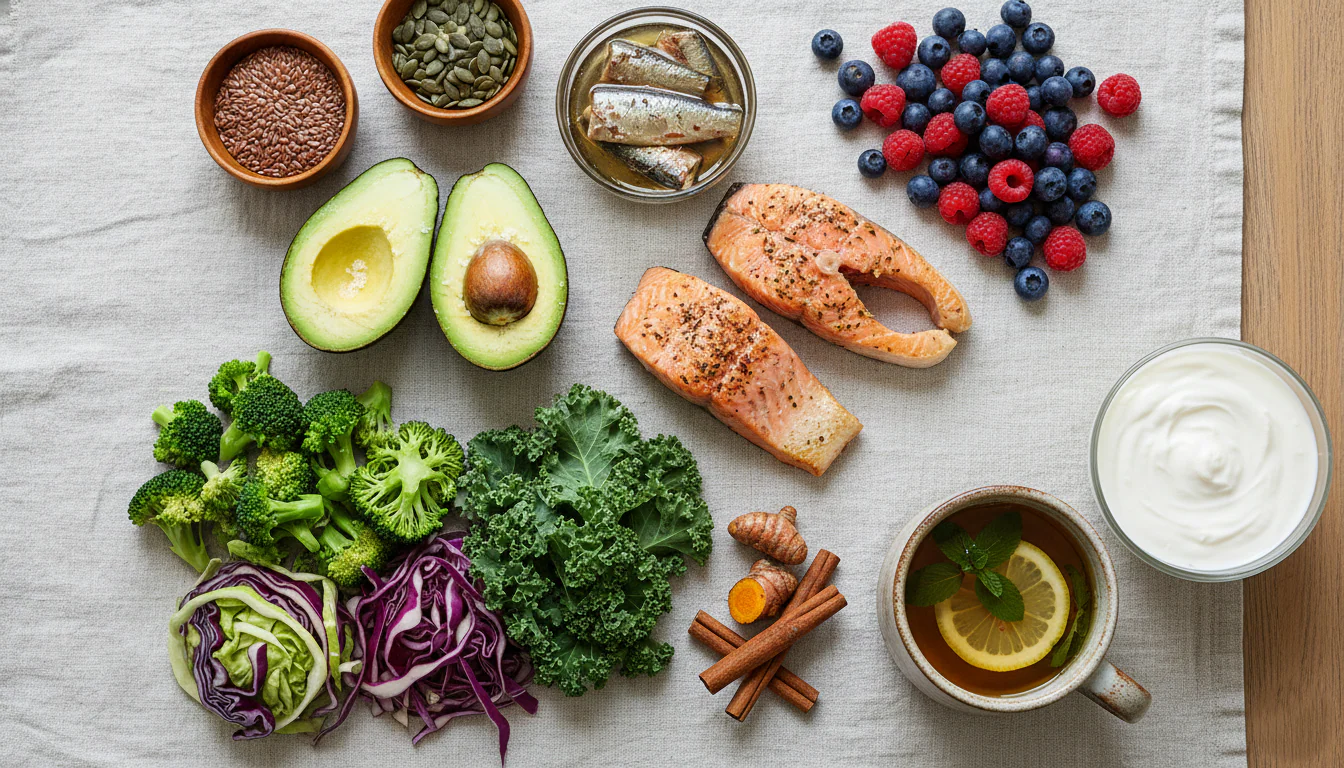


Hormonal imbalances can affect nearly every aspect of health, including energy levels, mood, metabolism, menstrual cycles and reproductive function. While factors such as stress, poor sleep and lifestyle habits play a significant role in disrupting hormones, diet can also be a powerful tool in supporting the body’s natural balance.
According to nutritionist Lovneet Batra, there is no need to rely on expensive superfoods or supplements to promote hormonal health. Instead, many nutrient-rich ingredients commonly found in Indian kitchens have been clinically studied for their potential to support hormone regulation.
“If you are dealing with PCOD, stubborn weight gain, thyroid imbalances, or irregular periods, your hormones aren’t broken. They are just sending out a distress signal. Before jumping into synthetic fixes, look into your spice box,” Batra advises.
Here are seven traditional Indian foods that may help support hormonal balance naturally.
1. Flaxseeds
Flaxseeds are rich in lignans, plant compounds that may help support healthy oestrogen metabolism. They also provide dietary fibre, which plays a role in hormone regulation and digestive health. Regular consumption may help reduce symptoms associated with premenstrual syndrome (PMS).
How to consume: Mix one tablespoon of freshly ground flaxseeds into roti dough, curd, smoothies or breakfast bowls.
2. Methi (Fenugreek) Seeds
Fenugreek seeds contain phytoestrogens, naturally occurring plant compounds that may improve insulin sensitivity and support women dealing with Polycystic Ovary Disease (PCOD). They are also known for helping regulate blood sugar levels.
How to consume: Soak one teaspoon of methi seeds overnight. Drink the soaked water in the morning and chew the softened seeds on an empty stomach.
3. Ashwagandha
Ashwagandha is one of Ayurveda’s most widely used herbs for managing stress. It primarily works by lowering cortisol, the body’s main stress hormone, which helps regulate the hypothalamic-pituitary-adrenal (HPA) axis responsible for several hormonal functions.
How to consume: Mix half a teaspoon of ashwagandha powder into warm milk before bedtime or take it as a churna with warm water.
4. Shatavari
Often referred to as a women’s wellness herb in Ayurveda, Shatavari is believed to support reproductive health and maintain healthy progesterone levels. It has traditionally been used to promote hormonal balance and female well-being.
How to consume: Mix half a teaspoon into warm milk at night or combine it with a little honey and ghee.
5. Sabja (Basil) Seeds
Sabja seeds are packed with nutrients and may help manage oestrogen dominance, while also supporting digestion and hydration.
How to consume: Soak one teaspoon of sabja seeds in water for about 10 minutes before adding them to lemon water or coconut water.
6. Turmeric
Turmeric contains curcumin, a powerful anti-inflammatory compound that may help reduce hormone-related inflammation. It also supports overall health through its antioxidant properties.
How to consume: Add fresh turmeric to warm water in the morning or include turmeric regularly in everyday cooking.
7. Amla (Indian Gooseberry)
Amla is a rich source of vitamin C and antioxidants. It is believed to support thyroid function, adrenal health and ovarian wellness while helping regulate blood sugar and reducing inflammation. It also promotes healthy liver function, which plays an important role in hormone metabolism.
How to consume: Eat one fresh amla daily or mix one teaspoon of amla powder with warm water in the morning.
Healthy Lifestyle Matters Too
While these traditional foods can support overall hormonal health, experts stress that they work best when combined with a healthy lifestyle. Regular exercise, adequate sleep, stress management and a balanced diet remain essential for maintaining hormonal balance.
Individuals experiencing persistent symptoms such as irregular periods, severe fatigue, unexplained weight changes or thyroid-related issues should consult a qualified healthcare professional for proper diagnosis and treatment rather than relying solely on dietary remedies.
Disclaimer: This article is for informational purposes only and should not be considered a substitute for professional medical advice, diagnosis or treatment. Always consult a qualified healthcare provider before making significant dietary or health-related changes.