
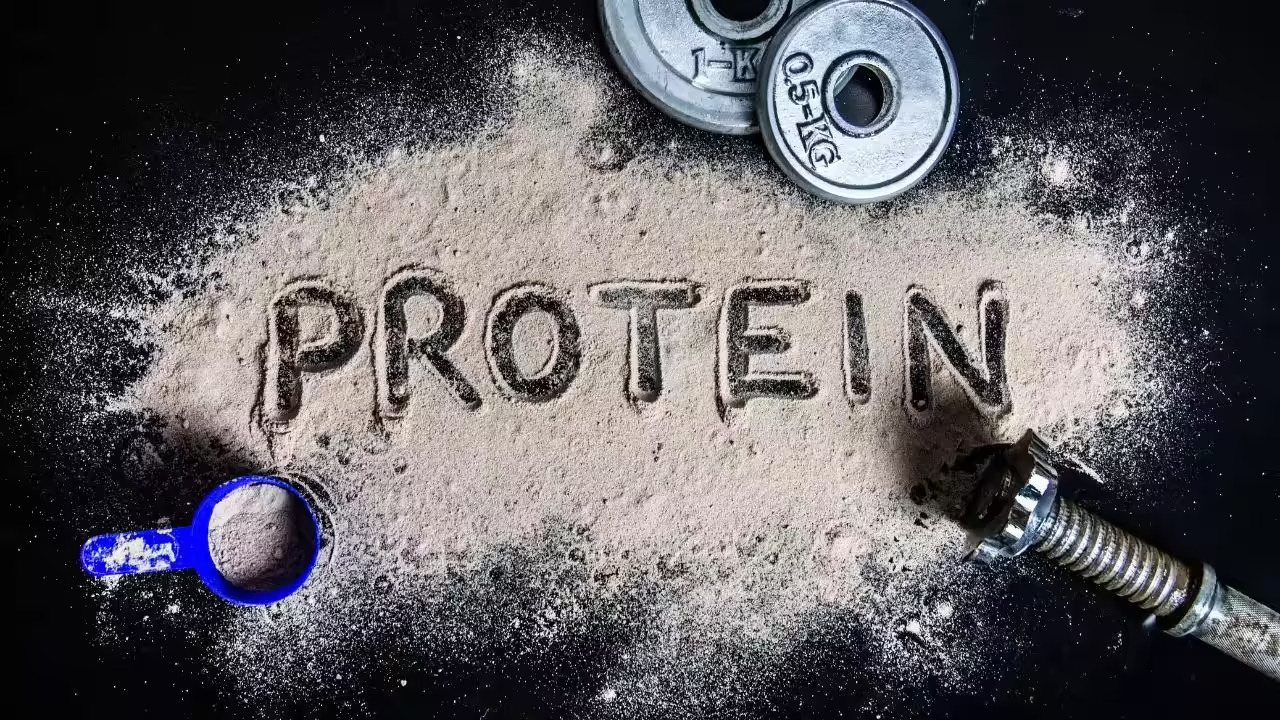


Protein is one of the most essential macronutrients required for maintaining overall health. It plays a vital role in building and repairing tissues, supporting muscle growth, strengthening immunity, and helping enzymes and hormones regulate important body functions.
Made up of amino acids, protein acts as a building block for skin, hair, muscles, and organs. Experts generally recommend that healthy adults consume around 0.8 grams of protein per kilogram of body weight per day, though individual needs may vary depending on age, lifestyle, and health goals.
However, while protein is crucial, consuming more than your body actually requires can lead to several unwanted health effects.
6 Side Effects Of Consuming Too Much Protein
1. Increased Strain On The Kidneys
When you consume protein, your body breaks it down into smaller compounds, including nitrogen-based waste products. These wastes are filtered out by the kidneys and eliminated through urine.
Eating excessive amounts increases the amount of waste the kidneys must process. Over time, this additional workload can place stress on the kidneys, especially in individuals with existing kidney problems or reduced kidney function.
2. Higher Risk Of Dehydration
Processing extra protein requires more water. As the kidneys work to flush out urea and nitrogen waste, your body loses more fluids through urine.
If you do not increase your water intake accordingly, dehydration may develop. Common symptoms include:
- Dry mouth
- Fatigue
- Headaches
- Dizziness
- Dark-coloured urine
Even mild dehydration can affect daily energy levels and overall wellbeing.
3. Weight Gain From Excess Calories
Many people assume protein-rich foods are automatically healthy regardless of quantity. However, protein still contains calories.
If your protein intake significantly exceeds your body’s needs—especially through protein shakes, supplements, or large meat portions—the extra calories may be stored as fat. Over time, this can contribute to gradual weight gain, particularly in individuals with low physical activity levels.
4. Digestive Issues And Gut Discomfort
Very high-protein diets often lack fibre, especially when fruits, vegetables, and whole grains are limited.
Low fibre intake can disrupt digestion, leading to:
- Bloating
- Gas
- Constipation
- Diarrhoea
- Acid reflux
- Stomach heaviness
Maintaining a balance between protein and fiber is essential for healthy digestion.
5. Possible Impact On Heart And Bone Health
High-protein diets that rely heavily on red and processed meats may increase saturated fat intake, which can raise cholesterol levels and elevate the risk of heart-related problems over time.
While it supports bone health, extremely high intake combined with inadequate calcium consumption may disrupt calcium balance, potentially affecting bone strength in the long run.
6. Ketosis-Related Side Effects
Excess intake combined with very low carbohydrate consumption can push the body into a metabolic state known as Ketosis.
This shift may cause symptoms such as:
- Bad breath
- Fatigue
- Irritability
- Brain fog
- Frequent urination
- Increased thirst
These signs indicate that the body is working harder to manage excess levels.
How Much Protein Is Too Much?
needs vary depending on lifestyle:
- Sedentary adults: Around 0.8 g/kg body weight
- Active individuals: 1.0–1.5 g/kg body weight
- Athletes or bodybuilders: May require higher intake under professional guidance
The key is balance—consuming enough protein to support health without exceeding your body’s actual requirements.
Disclaimer:
This content provides general information only and should not replace professional medical advice. Individuals with kidney disease, heart conditions, or specific dietary needs should consult a qualified healthcare provider before making major dietary changes.
Live India Does Not Claim Responsibility Of The Above Information