
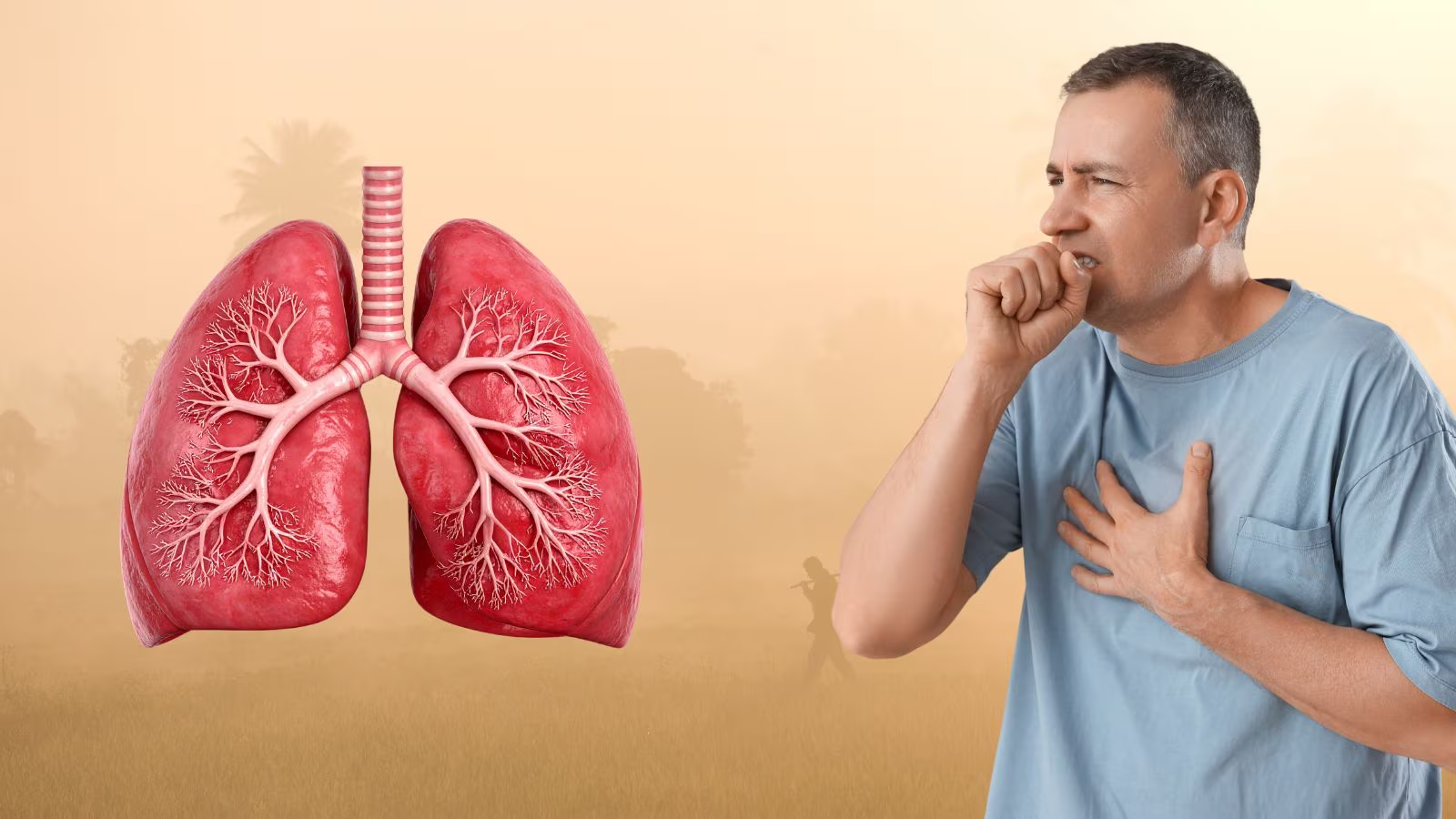


Severe dust storms sweeping across Rajasthan have brought dramatic weather conditions to cities such as Churu and Bikaner, reducing visibility and covering large areas in thick clouds of sand. While these storms may offer temporary relief from intense summer heat, health experts warn that they can pose significant risks for people suffering from allergies, asthma and other respiratory illnesses.
Massive Dust Storms Sweep Across Rajasthan
Rajasthan witnessed intense weather activity as powerful dust storms moved through several districts, creating near-zero visibility in some areas. Residents of Churu experienced dense dust clouds that engulfed the city, while Bikaner saw towering walls of sand advancing rapidly across the landscape.
According to the India Meteorological Department (IMD), thunderstorms, dust storms and rainfall are expected to continue in parts of the state over the coming days due to the influence of a western disturbance. Such weather events are common during the pre-monsoon season but can have serious consequences for public health.
Why Dust Storms Can Be Harmful
Dust storms significantly increase the amount of particulate matter in the air. These microscopic particles can be inhaled deep into the lungs, irritating the respiratory tract and triggering a range of health problems. People exposed to high levels of airborne dust may experience coughing, breathing difficulties, throat irritation and eye discomfort.
The health risks become even more serious for individuals already living with respiratory conditions. Fine dust particles can worsen existing symptoms and make breathing increasingly difficult, particularly when exposure is prolonged.
Increased Risk for Asthma and Allergy Patients
People with asthma are among the most vulnerable during dust storms. Dust particles can inflame already sensitive airways, leading to wheezing, shortness of breath and, in severe cases, asthma attacks. Environmental triggers such as dust and air pollution are known to aggravate asthma symptoms and can quickly turn a manageable condition into a medical emergency.
Individuals with allergies may also experience worsening symptoms as dust particles irritate the eyes, nose and throat. Those with chronic respiratory diseases or cardiovascular conditions may face additional complications due to reduced air quality.
Symptoms That Should Not Be Ignored
Health experts advise people to remain alert for signs of respiratory distress during and after a dust storm. Persistent coughing, wheezing, chest tightness and difficulty breathing can indicate that the lungs are reacting to increased dust exposure.
Other symptoms may include irritated eyes, a sore throat, excessive mucus production, fatigue and dizziness. If breathing problems become severe or symptoms worsen rapidly, immediate medical attention is recommended.
How to Protect Yourself During Dust Storms
Limiting exposure to outdoor air is one of the most effective ways to stay safe during a dust storm. Residents are advised to remain indoors whenever possible and keep doors and windows closed to prevent dust from entering their homes.
If going outside is unavoidable, wearing a well-fitted protective mask such as an N95 can help reduce the inhalation of harmful particles. People with asthma should ensure that their prescribed inhalers and medications are readily available and continue following their treatment plans without interruption.
Avoid Activities That Increase Dust Exposure
Outdoor physical activities such as jogging, walking and exercise can increase the amount of dust entering the lungs. Experts recommend postponing such activities until air quality improves. Individuals should also take steps to protect their eyes by wearing glasses or sunglasses, which can help reduce irritation caused by airborne particles.
Maintaining proper hydration is equally important, as drinking enough water can soothe throat irritation and support the body’s natural ability to clear inhaled particles from the respiratory system.
Importance of Staying Prepared
With dust storms expected to continue in parts of Rajasthan, health preparedness remains essential. People with existing respiratory conditions should closely monitor weather updates and air quality advisories while taking preventive measures to minimise exposure.
Early action can significantly reduce health risks and help individuals manage symptoms more effectively during periods of poor air quality.
Dust storms may be a familiar part of Rajasthan’s pre-monsoon season, but their impact on health should not be underestimated. For allergy and asthma patients in particular, airborne dust can trigger serious respiratory problems and worsen existing conditions. By staying informed, limiting exposure and following basic safety precautions, individuals can better protect themselves during these challenging weather events.