
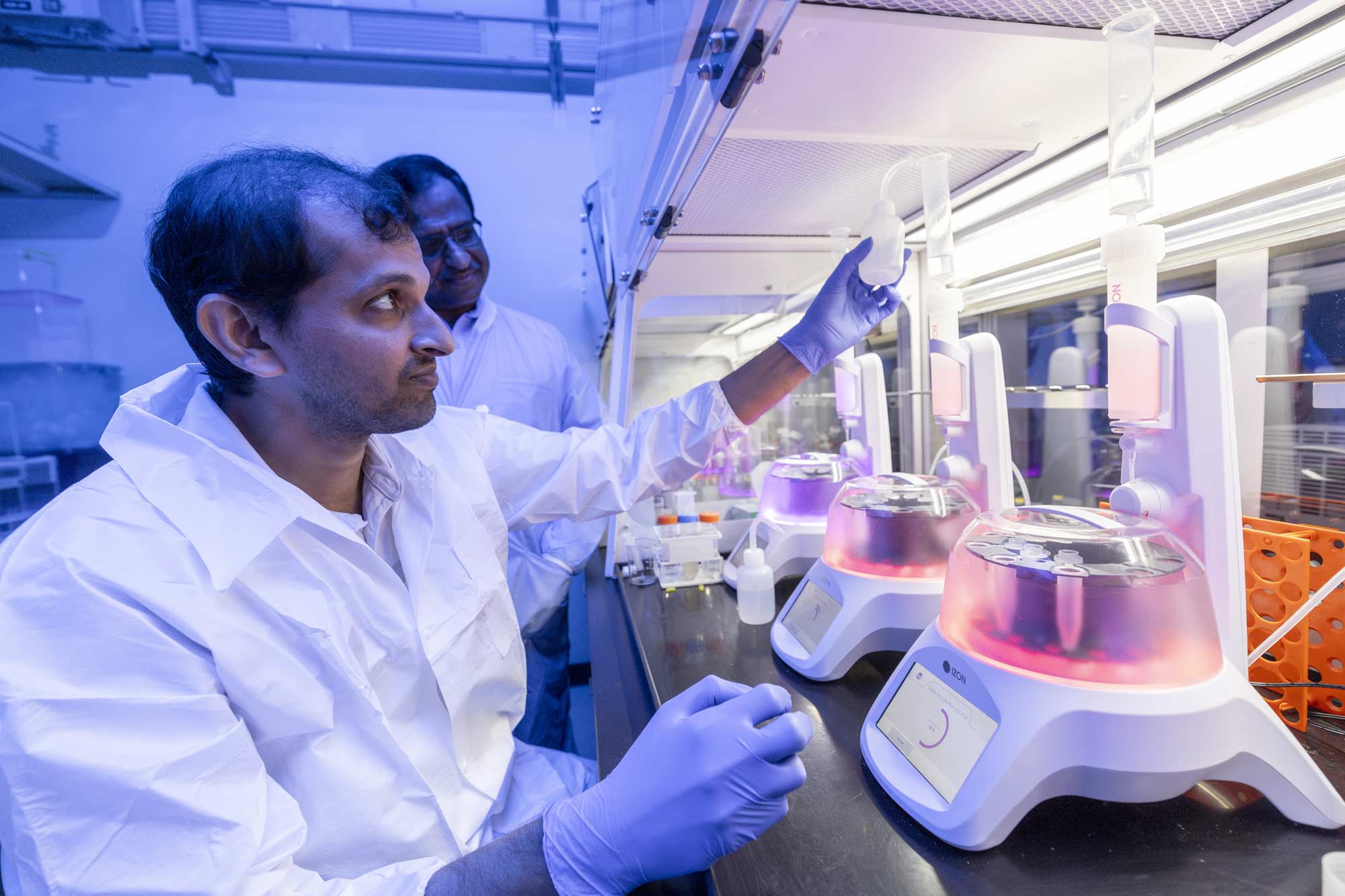


Scientists in the United States have developed an experimental nasal spray that could potentially reverse certain effects of brain ageing, offering fresh hope in the fight against dementia and memory decline.
The research team at Texas A&M University designed the spray to target a condition known as Neuroinflammaging—a slow and persistent form of inflammation that accumulates in the brain over time.
This chronic inflammation has been strongly linked to memory problems, reduced concentration, and a higher risk of neurological disorders such as Alzheimer’s disease. Until recently, such inflammation was widely believed to be an unavoidable consequence of ageing.
Study Led By Professor Ashok Shetty Shows Encouraging Results
The study, led by neuroscientist Ashok Shetty, revealed that just two doses of the nasal spray significantly reduced inflammation in the brain and restored cellular energy.
According to the researchers, the treatment led to noticeable improvements in memory within weeks, with benefits lasting several months.
Dr. Madhu Leelavathi Narayana, a senior member of the research team, explained the biological impact of the therapy.
“We are giving neurons their spark back. By reducing oxidative stress and reactivating the brain’s mitochondria, we are not just clearing brain fog. We are physically improving the brain’s ability to process and store information,” she said.
How The Nasal Spray Works Inside The Brain
The treatment uses microscopic biological carriers known as Extracellular vesicles, which are delivered directly to brain tissue through the nasal passage.
This approach allows the therapy to bypass the brain’s protective barrier without requiring invasive surgery.
Once inside the brain, these vesicles release genetic molecules called MicroRNA. These molecules help switch off inflammation-triggering signals and restore mitochondrial activity—the energy system inside brain cells.
Animal studies showed that subjects treated with the spray demonstrated better recognition of familiar objects and improved ability to detect environmental changes compared to untreated groups.
Interestingly, the treatment produced consistent results in both male and female subjects—an outcome researchers described as unusual in biomedical research.
“It’s universal. Treatment outcomes were consistent and similar across both sexes,” Professor Shetty noted.
Findings Published In Scientific Journal, Patent Filed
The research findings were published in the Journal of Extracellular Vesicles, and the team has already filed a United States patent for the therapy.
Funding for the study was provided by the National Institute on Aging, highlighting the growing urgency around age-related cognitive decline.
According to projections cited by the researchers, the number of new dementia cases in the United States is expected to nearly double—from around 514,000 cases in 2020 to about one million by 2060.
Potential Future Applications Beyond Dementia
Researchers believe the implications of the discovery could extend beyond age-related memory loss.
Professor Shetty said that a simple two-dose nasal spray could eventually replace more invasive treatments or long-term medication regimens.
“Our approach redefines what it means to grow old. We are aiming for successful brain ageing—keeping people engaged, alert and connected. Not just living longer, but living smarter and healthier,” he said.
The team also suggested that future applications may include helping stroke survivors and individuals experiencing other forms of cognitive decline.
However, scientists emphasised that further research is required before human trials can begin, meaning the treatment remains in experimental stages.