
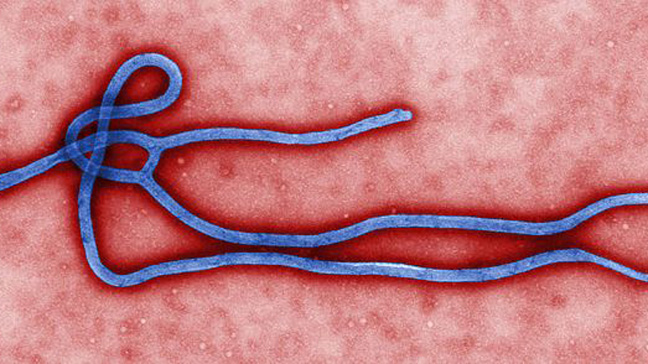


Ebola is one of the world’s most dangerous infectious diseases, known for causing severe fever, internal bleeding, and organ failure. Since it was first identified in 1976 near the Ebola River in the Democratic Republic of the Congo, the virus has caused multiple deadly outbreaks across Africa.
The latest outbreak in 2026 has once again raised global concern after the World Health Organization declared it a Public Health Emergency of International Concern (PHEIC).
Where is the current Ebola outbreak?
The latest outbreak has been reported in the Democratic Republic of the Congo and Uganda. According to WHO data from May 2026, hundreds of suspected cases and dozens of deaths have already been recorded.
The outbreak is linked to the Bundibugyo strain of Ebola, for which there is currently no approved vaccine or targeted antiviral treatment.
How Ebola spreads
Unlike airborne diseases such as COVID-19, Ebola spreads through direct contact with bodily fluids of an infected person. These include:
- Blood
- Vomit
- Saliva
- Sweat
- Urine
- Stool
- Semen
The virus can also spread through contaminated clothing, bedding, needles, or medical equipment. People become contagious only after symptoms appear.
Common symptoms of Ebola
Symptoms usually develop between 2 and 21 days after exposure. Early warning signs include:
- Sudden fever
- Severe weakness
- Headache
- Muscle pain
- Sore throat
As the disease progresses, patients may experience:
- Vomiting and diarrhea
- Stomach pain
- Skin rashes
- Internal and external bleeding
- Organ failure
Because these symptoms can resemble diseases like malaria, dengue, or typhoid, early diagnosis can be difficult.
Is Ebola deadly?
Ebola has a very high fatality rate. Depending on the virus strain and speed of treatment, mortality rates can range from 25% to 90%.
The Bundibugyo strain involved in the current outbreak has historically shown fatality rates between 30% and 50%.
Is there a cure or vaccine?
There is currently no universal cure for Ebola, but supportive medical care greatly improves survival chances. Treatment usually includes:
- IV fluids for dehydration
- Oxygen support
- Blood pressure management
- Treatment for secondary infections
- Pain and fever relief
A vaccine called Ervebo exists for the Zaire strain of Ebola, but it is not approved for the Bundibugyo strain responsible for the current outbreak.
How to reduce the risk of infection
Health experts advise people to:
- Avoid contact with infected individuals
- Wash hands frequently
- Avoid touching bodily fluids
- Avoid handling wild animals or bushmeat
- Follow travel advisories for affected regions
- Seek immediate medical attention if symptoms appear after travel
Is India at risk?
Experts say the risk to India remains very low because Ebola spreads through direct contact rather than through the air. However, health authorities continue to monitor international travellers and maintain preparedness protocols at hospitals and airports.
Early diagnosis and isolation remain critical to preventing wider outbreaks.