
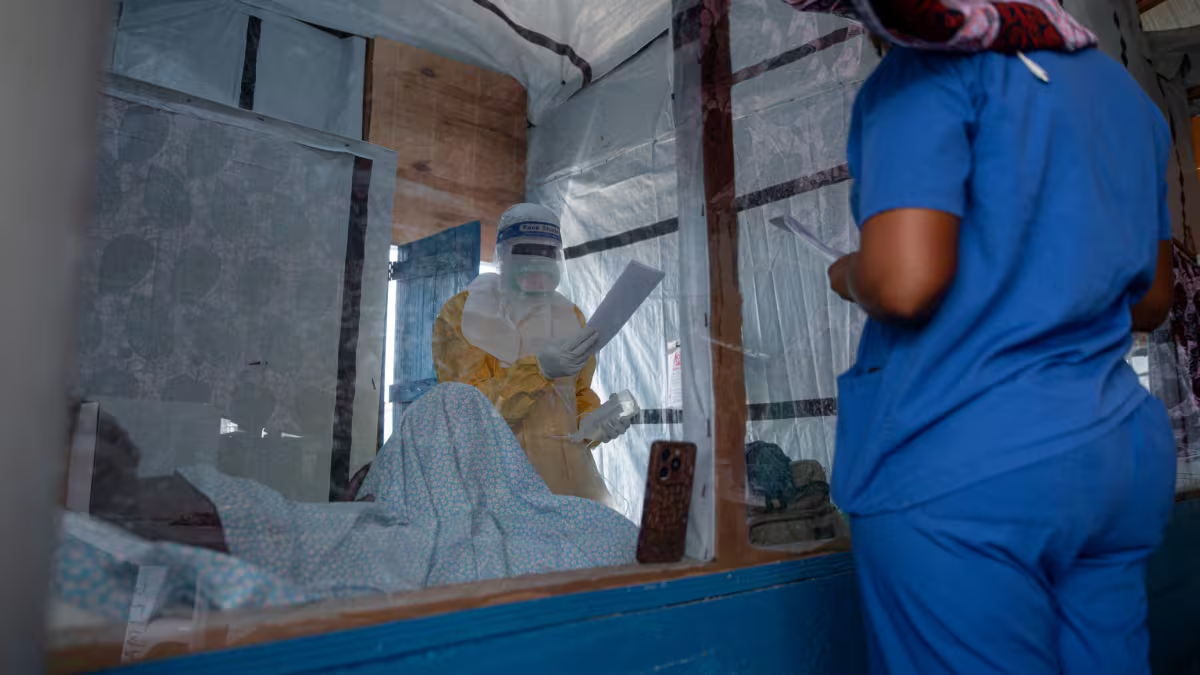

 has unveiled its first comprehensive clinical management guidelines for Ebola and Marburg virus diseases)
The World Health Organization (WHO) has unveiled its first comprehensive clinical management guidelines for Ebola and Marburg virus diseases, marking a significant milestone in global efforts to combat some of the world’s deadliest infectious illnesses.
The guidelines were released on June 17, 2026, as several African nations continue to face outbreaks of filovirus diseases, including an active Ebola outbreak caused by the Bundibugyo strain in the Democratic Republic of the Congo.
Why The New Guidelines Matter
Ebola and Marburg viruses belong to a group of pathogens known as filoviruses, which can cause severe haemorrhagic fever, organ failure and death. Depending on the virus strain and outbreak conditions, fatality rates can range from 25 percent to as high as 90 percent.
Since the first recorded Marburg outbreak in 1967, Africa has experienced more than 70 outbreaks involving Ebola and Marburg viruses, highlighting the urgent need for standardised treatment protocols.
The WHO says the new recommendations are designed to improve patient survival rates, strengthen healthcare systems and provide frontline workers with practical guidance during outbreaks.
What Are Filovirus Diseases?
Filoviruses include several Ebola virus species, such as:
- Zaire Ebola virus
- Sudan Ebola virus
- Bundibugyo Ebola virus
- Taï Forest Ebola virus
- Marburg virus
These diseases typically cause:
- High fever
- Severe weakness
- Muscle pain
- Vomiting and diarrhoea
- Internal and external bleeding
- Organ failure in severe cases
The viruses spread through direct contact with infected body fluids, contaminated surfaces or infected animals, particularly fruit bats and other wildlife.
Key Recommendations From WHO
The new guidelines include 16 evidence-based recommendations focused on supportive care, which remains the most effective treatment option for several virus strains that currently lack approved vaccines or targeted therapies.
Major recommendations include:
Early Detection And Monitoring
Healthcare providers are advised to closely monitor patients for complications such as low blood sugar levels, dehydration and electrolyte imbalances.
Aggressive Fluid Management
Prompt use of oral rehydration solutions and intravenous fluids is recommended to prevent severe dehydration and improve survival chances.
Rapid Treatment Of Shock
The guidelines emphasise early intervention for patients experiencing shock through intravenous fluids, medications and continuous monitoring of vital signs.
Managing Secondary Infections
Doctors are encouraged to administer antibiotics quickly when bacterial infections or sepsis are suspected, helping reduce additional complications.
Long-Term Survivor Care
WHO also highlights the importance of follow-up care for survivors, addressing long-term health complications and reducing the risk of virus persistence that could lead to further transmission.
Focus On Resource-Limited Settings
A major strength of the new framework is its focus on practical solutions for healthcare facilities operating in resource-constrained environments, where many Ebola and Marburg outbreaks occur.
The recommendations aim to help medical teams provide effective care even in challenging conditions where advanced medical infrastructure may be limited.
A Critical Step In Global Health Preparedness
WHO Director-General Tedros Adhanom Ghebreyesus described the guidelines as an example of how scientific knowledge can be transformed into life-saving action during public health emergencies.
The organisation is urging governments, healthcare systems and public health agencies to integrate these recommendations into national preparedness plans and outbreak response strategies.
Looking Ahead
While vaccines and treatments continue to advance, experts stress that early diagnosis, rapid referral and high-quality supportive care remain the most powerful tools available for reducing deaths from Ebola and Marburg viruses.
The new WHO guidelines provide a crucial roadmap for improving patient outcomes and strengthening the global response to future outbreaks of these highly dangerous diseases.