
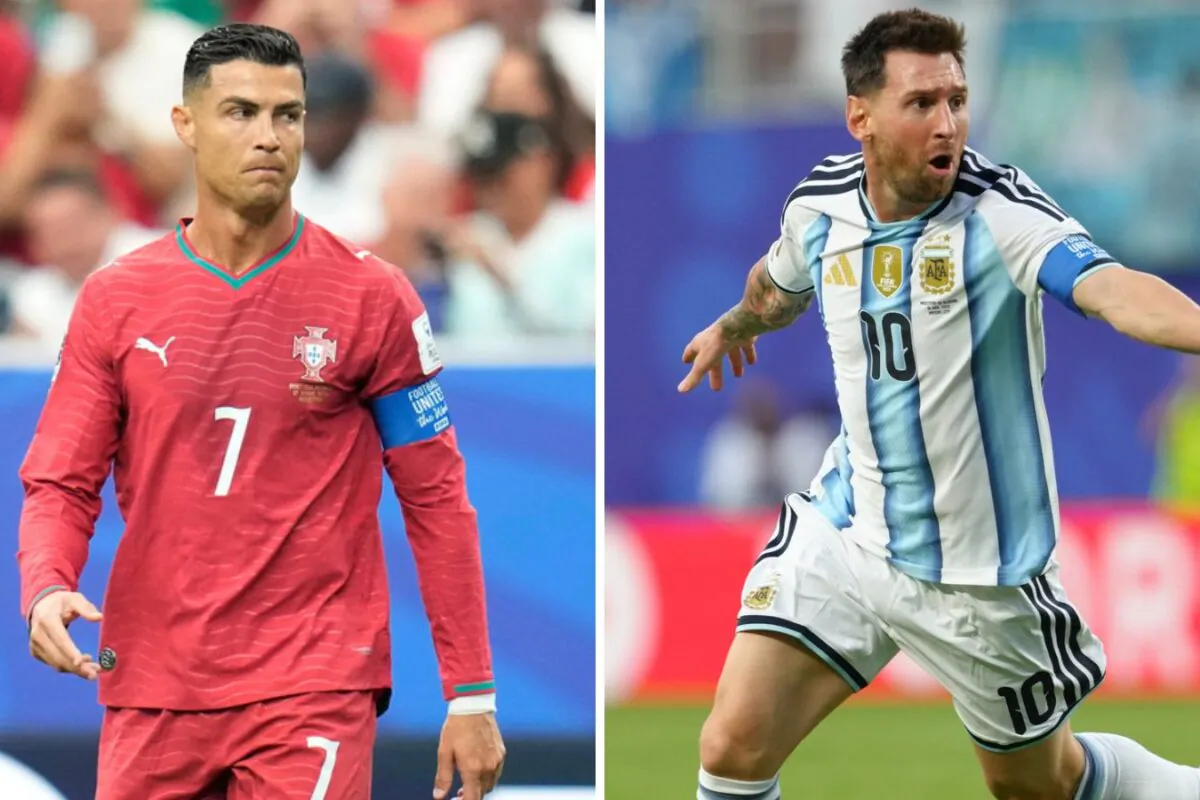


The careers of football legends Lionel Messi and Cristiano Ronaldo continue to spark conversations about longevity in professional sports. While Messi remains a key figure for Argentina at 39 and Ronaldo has dismissed speculation about retirement at 41, experts say their remarkable careers are exceptions rather than the norm.
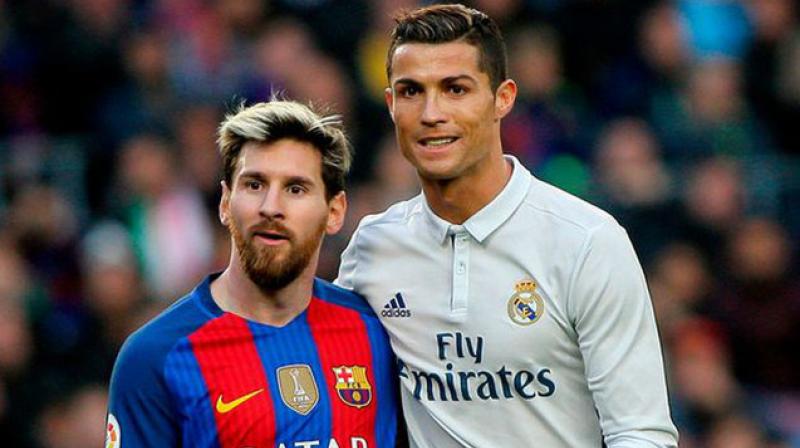
Medical specialists explain that retirement is rarely determined by age alone. Instead, it is influenced by the body’s gradual decline in physical performance, slower recovery, and an increased risk of injuries that become more noticeable during the late 30s and early 40s.
According to orthopaedic experts, the ageing process typically begins around the age of 35. Muscle mass, strength, flexibility, and explosive power gradually decrease, making it increasingly difficult for athletes to maintain peak performance despite rigorous training and elite fitness levels. Recovery from intense matches and injuries also takes longer as the body’s natural healing processes slow down.
Internal medicine specialists note that aerobic capacity, muscle strength, and endurance decline with age, while hormonal changes reduce collagen production and tissue repair. As a result, muscles, tendons, and ligaments become more vulnerable to strain and injury, particularly in high-intensity sports.
Sports such as football and tennis place constant stress on the body through repeated sprinting, sudden changes in direction, jumping, tackling, and repetitive movements. Over the years, this accumulated wear and tear affects joints, muscles, and connective tissues, making it harder for athletes to perform at the highest level.
Although experienced athletes often rely on tactical awareness, decision-making, and game intelligence to compensate for physical decline, experts say these qualities cannot completely offset the biological effects of ageing.
Advances in sports medicine, nutrition, recovery techniques, and personalised training have helped extend athletic careers beyond what was once considered possible. Many elite players now compete successfully into their late 30s and early 40s. However, retirement decisions are ultimately based on balancing performance levels with long-term health and injury risks rather than reaching a specific age.
Experts also emphasise that retiring from professional competition does not mean stepping away from fitness. With proper rehabilitation, exercise, and healthy lifestyle habits, former athletes can continue leading active and physically healthy lives long after their competitive careers end.