
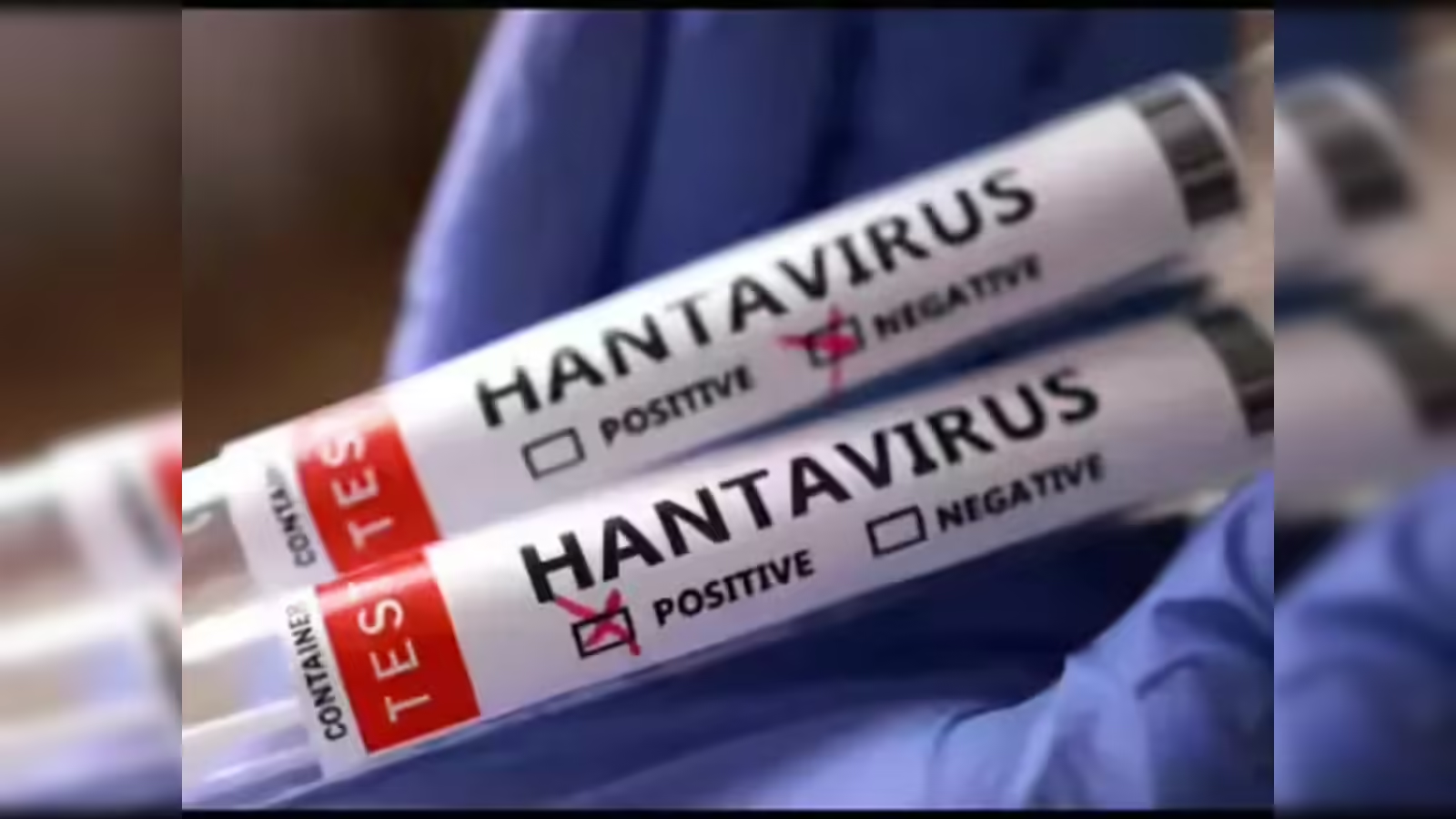


The Andes strain of hantavirus has drawn international attention after cases linked to a cruise ship outbreak raised concerns about its rare ability to spread between humans. Health experts, however, say the overall risk to the general public remains low.
Unlike most hantavirus strains that spread only from rodents to humans, the Andes variant is the only known type capable of limited human-to-human transmission, usually through very close and prolonged contact.
1. What Makes The Andes Strain Different?
Most hantaviruses spread through exposure to infected rodents, their droppings, saliva, or bites. The Andes strain is considered unique because it can occasionally pass from one person to another.
Experts say this transmission generally happens only during close personal interactions such as caregiving, sharing a bed, or prolonged household exposure. It is not believed to spread easily through casual contact or public spaces.
The recent outbreak connected to the MV Hondius cruise ship is believed to have started through rodent exposure before spreading among close contacts onboard.
Common Symptoms Of Andes Hantavirus
The infection can lead to Hantavirus Pulmonary Syndrome, a serious respiratory illness that may worsen rapidly.
Early symptoms often resemble flu and can include:
- Fever
- Headache
- Muscle and back pain
- Fatigue
- Nausea or vomiting
- Diarrhoea
- Cough
- Chest pain
- Loss of appetite
- Difficulty breathing
Doctors warn that symptoms can quickly progress to severe breathing complications, making early medical attention extremely important.
2. Is There A Vaccine Or Treatment?
Currently, there is no widely approved vaccine or specific antiviral treatment for hantavirus infections, including the Andes strain.
Researchers across the world are working on potential vaccines. Early studies involving DNA-based vaccines have shown promising immune responses, but large-scale clinical trials remain challenging because Andes virus infections are relatively rare.
Treatment mainly focuses on supportive hospital care such as:
- Oxygen therapy
- Fluid management
- Intensive monitoring of lung and heart function
Health experts say early hospitalisation significantly improves survival chances.
The World Health Organization has stated that the global public health risk currently remains low and does not resemble the widespread threat seen during the COVID-19 pandemic.
3. How Can You Protect Yourself?
Health authorities advise travellers and residents in South American regions where the virus exists to avoid rodent exposure, especially in rural or forested areas.
Safety Tips To Reduce Risk
- Avoid contact with rodents and rodent droppings
- Wash hands regularly with soap and water
- Do not share drinks, cigarettes, vapes, or utensils
- Avoid close physical contact with infected individuals
- Maintain distance from people showing symptoms
Experts say people with no connection to outbreak areas or affected individuals face a very low risk of infection.
What To Do If You Test Positive
Anyone who tests positive for hantavirus should seek immediate medical care. Since there is no direct cure, treatment depends on managing symptoms and supporting breathing and organ function.
Doctors also recommend informing close contacts so they can monitor themselves for symptoms and seek care if needed.
While the Andes strain requires careful monitoring, health agencies stress that there is currently no evidence of widespread global transmission. Experts continue to emphasise awareness and precaution rather than panic.