
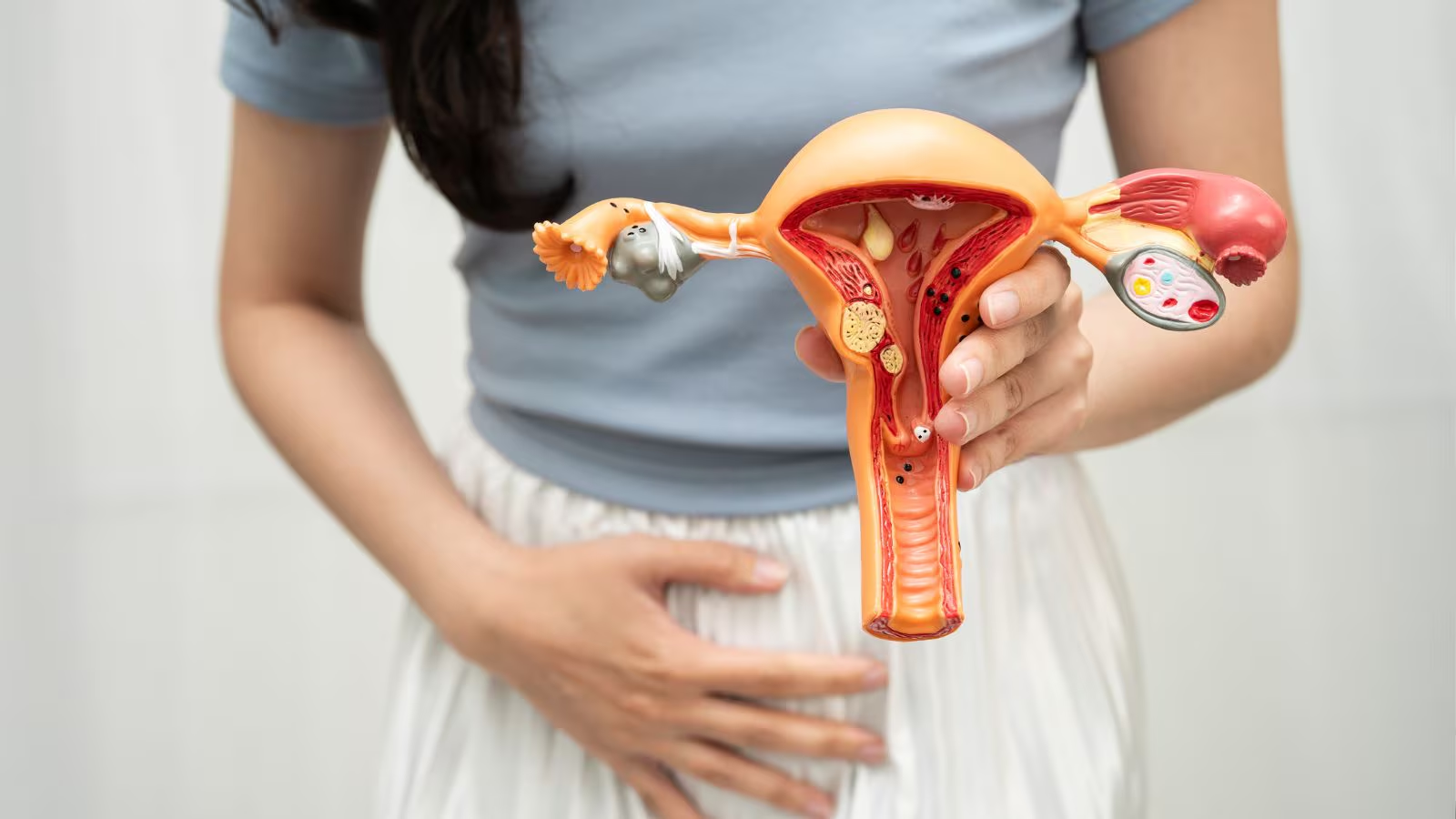


The risk of cervical cancer and endometrial cancer increases significantly after the age of 40, making awareness of early symptoms crucial for women’s health. Hormonal changes during this stage of life, especially around perimenopause and menopause, can lead to physical changes that are sometimes overlooked or mistaken for normal ageing.
Health experts highlight that cervical cancer is most commonly diagnosed in women between 35 and 50 years of age, while endometrial cancer is more frequently seen after menopause, typically between 50 and 60 years. However, changing lifestyles, stress, and dietary habits have led to cases being reported even in younger women.
Why Risk Increases After 40
As women approach menopause, levels of estrogen and other hormones fluctuate significantly. This hormonal imbalance can affect the uterine lining and overall reproductive health. At the same time, the immune system naturally weakens with age, reducing the body’s ability to repair abnormal cell growth, which can increase cancer risk.
Key Warning Signs to Watch
Doctors advise women not to ignore the following symptoms:
- Irregular bleeding between menstrual cycles
- Bleeding after menopause
- Persistent lower abdominal pain
- Unusual or foul-smelling vaginal discharge
These symptoms may not always indicate cancer, but they require timely medical evaluation.
Importance of Early Detection
Regular screening plays a vital role in preventing cervical cancer. A Pap smear test can detect abnormal cell changes before they develop into cancer. Health professionals recommend that sexually active women, especially above 30, undergo regular screenings as advised by a doctor.
Lifestyle factors such as maintaining a healthy weight, eating a balanced diet, exercising regularly, and avoiding smoking can also help reduce risk.
Regular Health Check-ups Matter
Experts stress that women above 40 should have at least one annual health check-up with a specialist. Early diagnosis remains the most effective way to ensure successful treatment and better outcomes.