
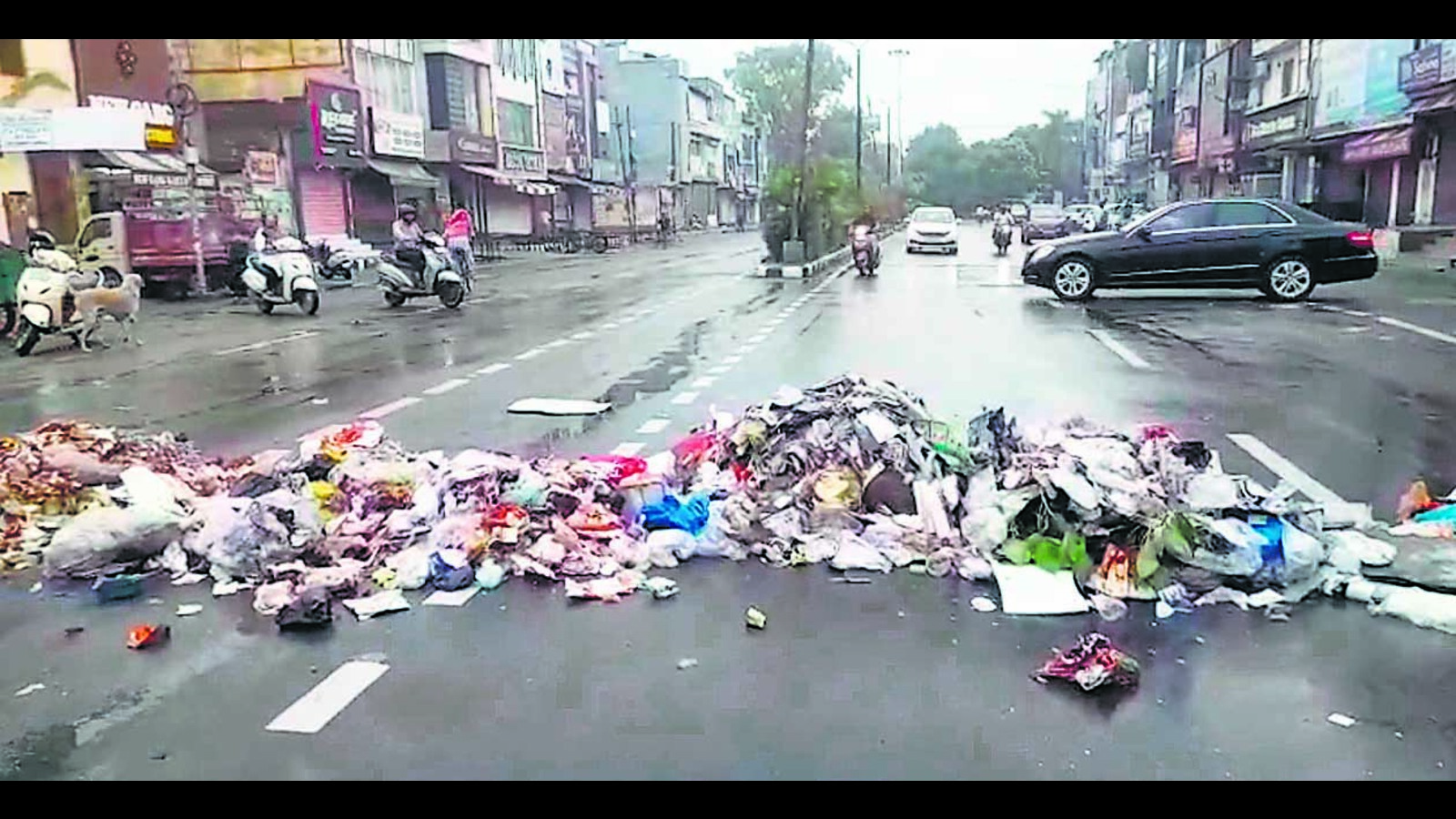


FAISALABAD – Hundreds of sanitation workers and rickshaw drivers brought Pakistan’s third-largest city to a standstill today, April 25, 2026, protesting nearly two months of unpaid wages. The crisis has exposed deep-seated flaws in the Punjab government’s “Suthra Punjab Authority” outsourcing model, which workers claim has left them without salaries or social safety nets.
Protest Highlights
Led by Baba Latif Ansari (Huqoq Khalq Party Punjab), the demonstrators marched from District Council Chowk to the Deputy Commissioner’s Office. The protest was marked by:
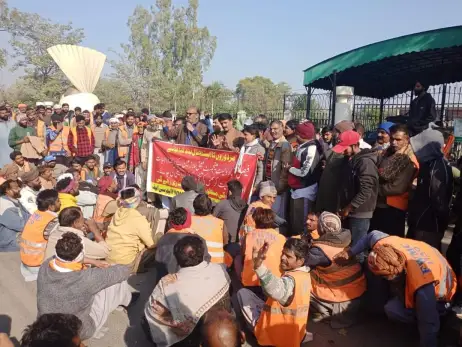
- Roadblocks: Long queues of rickshaws paralyzed both sides of the main thoroughfares.
- Symbolic Defiance: In a dramatic show of frustration, workers dumped truckloads of garbage at the main gate of the Deputy Commissioner’s Office to highlight “systemic mismanagement.”
- Welfare Gaps: Allegations surfaced that nearly Rs 65 million in Social Security contributions have not been deposited for six months, while EOBI (Employees’ Old-Age Benefits Institution) payments were entirely neglected.
The “Outsourcing Chaos”
The core of the dispute lies with Care Services Company, a third-party contractor hired by the Faisalabad Waste Management Company (FWMC).
- Registration Failures: Protesters claim that out of 1,200 workers, only a small fraction have been properly registered for medical care and pensions.
- Official Stance: FWMC Managing Director Abid Hussain Bhatti stated that the agency bears no direct responsibility since the workers are employed by a third-party contractor—a statement that has only further infuriated the labor unions.
Current Status
Following emergency talks with Suthra Punjab Authority officials, a show-cause notice has been issued to the outsourcing company. Authorities have promised the immediate release of payments for rickshaw drivers and an expedited timeline for sanitation workers’ salaries. However, labor leaders remain skeptical, citing a history of unfulfilled promises in the outsourcing chain.
Middle East Update: Trump Pause in Conflict Holding, but Volatile
RAMALLAH – Nearly a year and a half after the October 7 attacks, the Middle East exists in a state of “fragile suspension.” While U.S. President Donald Trump has successfully brokered pauses in three major regional conflicts, analysts warn that the underlying grievances remain a powder keg.
Key Regional Tensions:
- Iran: Despite suffering significant strategic blows, Tehran remains defiant at the negotiating table, refusing to abandon its regional posture.
- Hezbollah & Hamas: Both groups remain degraded but functional, continuing to pose a threat despite frequent Israeli strikes.
- Israel: Prime Minister Benjamin Netanyahu faces immense domestic pressure to secure a permanent “victory dividend” as he prepares for elections later this year.