


Whether you’ve been saving a premium dark chocolate bar for a special occasion or stocking up on your favourite milk chocolates, proper storage can make all the difference. Chocolate may have a long shelf life, but poor storage can affect its texture, flavour and appearance.
If you’ve ever noticed white patches on a chocolate bar or found it tasting less rich than expected, the way it was stored could be the reason. Fortunately, keeping chocolate fresh is simple when you follow a few basic guidelines.
Why Proper Chocolate Storage Is Important
Chocolate contains cocoa butter, a natural fat that reacts to changes in temperature.
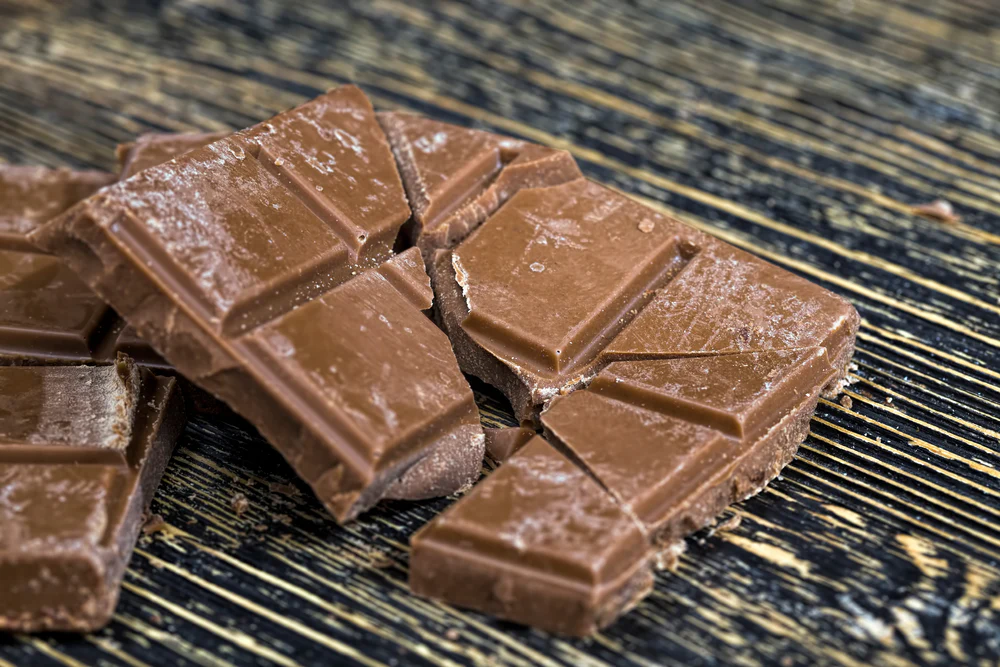
When chocolate is exposed to heat or frequent temperature changes, the cocoa butter can rise to the surface. As a result, a white coating known as fat bloom appears. Although fat bloom is completely safe to eat, it can change the texture and reduce the rich taste of chocolate.
Chocolate also absorbs surrounding smells very easily. Therefore, storing it near foods with strong odours can affect its flavour.
Ideal Temperature for Storing Chocolate
The best temperature for storing chocolate is between 15°C and 20°C.
A cool, dry cupboard, pantry or drawer is usually the ideal place. It should also be away from direct sunlight and heat-producing appliances.
Keeping chocolate at a stable temperature is equally important. Frequent changes between warm and cool conditions can damage its texture and appearance.
Should You Refrigerate Chocolate?
In most situations, refrigeration is not required.
A refrigerator creates moisture, which can cause sugar bloom. This appears as a grainy white layer on the surface when condensation forms. While it is harmless, it affects the chocolate’s smooth texture.
In addition, chocolate can absorb odours from other foods stored inside the refrigerator.
However, refrigeration can be a good option if you live in a hot and humid climate where room temperatures regularly stay above the ideal storage range.
How to Refrigerate Chocolate the Right Way
If refrigeration becomes necessary, taking a few extra steps will help protect the chocolate.
Before placing it in the refrigerator:
- Keep the chocolate in its original wrapper or wrap it tightly in foil.
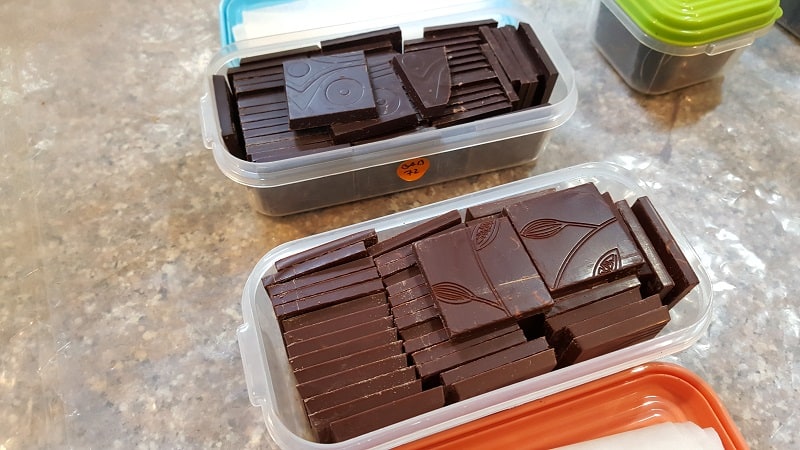
- Place it inside an airtight container.
- Store it away from foods with strong smells, such as onions, garlic or certain spices.
When taking the chocolate out, allow it to reach room temperature before opening the container. This prevents moisture from forming on the surface.
Common Chocolate Storage Mistakes to Avoid
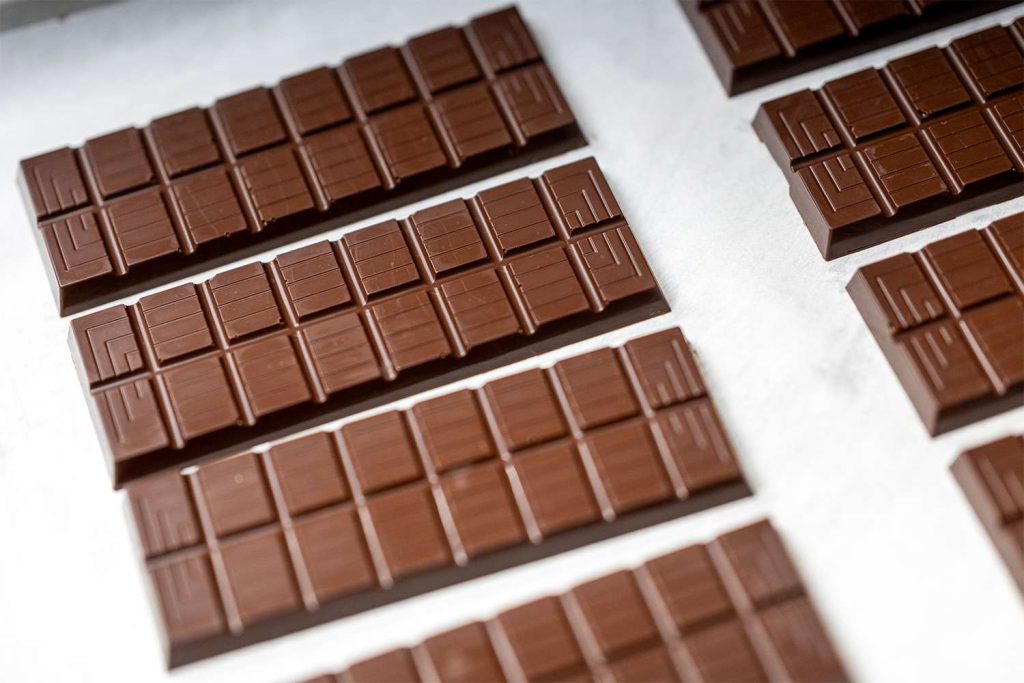
Many people unknowingly store chocolate in places that reduce its quality.
Avoid these common mistakes:
- Keeping chocolate near the stove or oven.
- Leaving it in direct sunlight.
- Storing it in humid areas.
- Frequently moving it between warm and cold temperatures.
- Keeping it close to onions, garlic or other strongly scented foods.
Following these simple precautions helps preserve both flavour and texture.
How Long Does Chocolate Stay Fresh?
Dark chocolate generally lasts longer than milk or white chocolate because it contains less dairy.
When stored properly, most chocolate bars remain in good condition for several months. Some varieties can stay fresh even longer if kept in the right environment.
However, it is always best to check the manufacturer’s best-before date and follow the storage instructions on the packaging.
Final Thoughts
Proper chocolate storage does not require expensive equipment or special containers. A cool, dry place with a stable temperature is usually enough to keep chocolate fresh and delicious.
By following these simple storage tips, you can enjoy your favourite chocolate bars with the same rich taste and smooth texture whenever you decide to open them.