
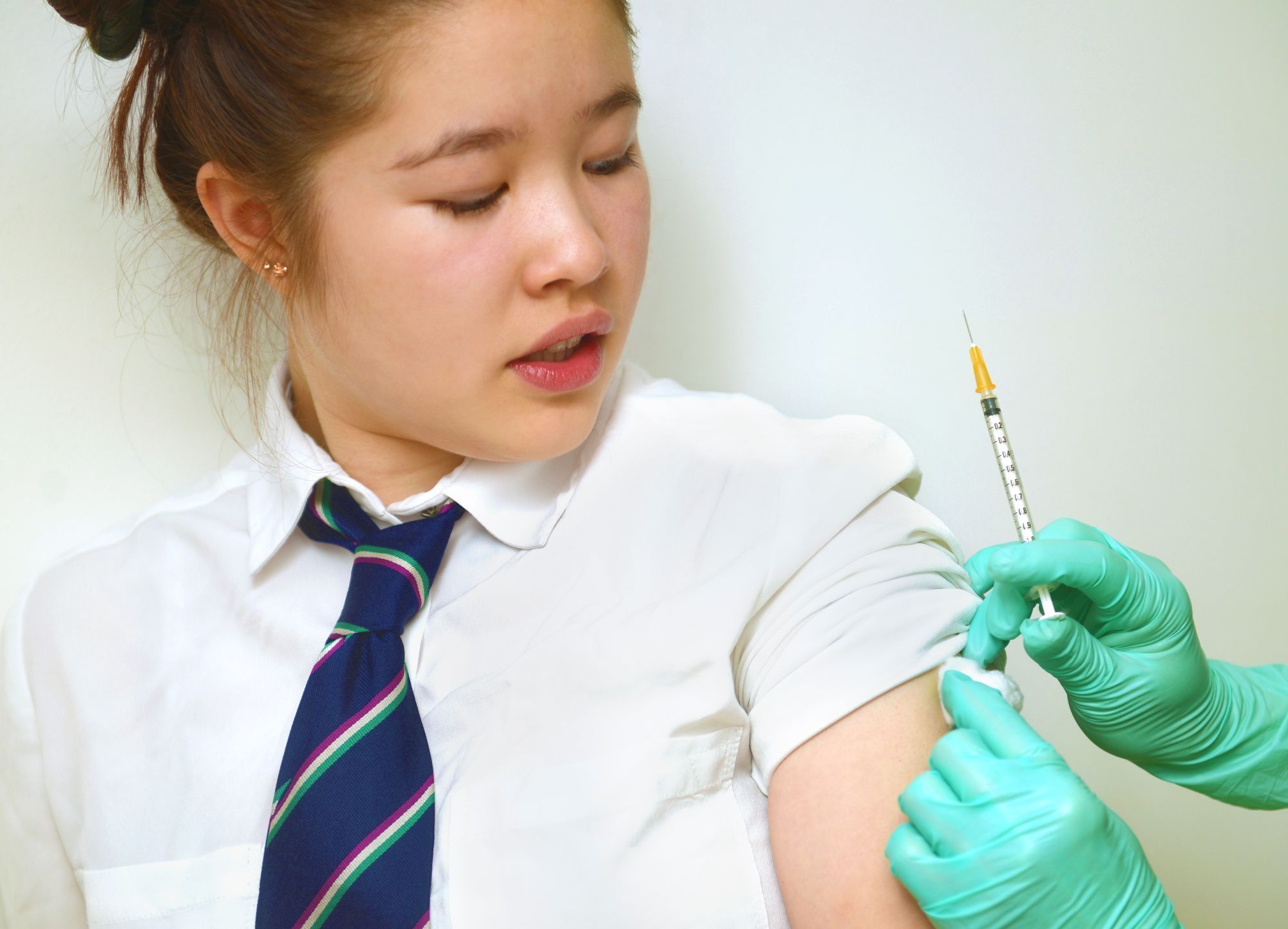


A landmark study has revealed a major breakthrough in the fight against cervical cancer. For the first time, cervical cancer deaths among women aged 20 to 24 in England fell to zero over a five-year period between 2020 and 2024, highlighting the remarkable impact of the Human Papillomavirus (HPV) vaccination programme.
The findings, published in The Lancet and led by researchers from Queen Mary University of London, provide the strongest evidence yet that HPV vaccination not only reduces cervical cancer cases but also prevents deaths caused by the disease.
A Public Health Success Story
England introduced its national HPV vaccination programme in 2008, targeting adolescent girls before exposure to the virus. According to researchers, if the programme had not been implemented, an estimated 23 cervical cancer deaths would likely have occurred among women aged 20 to 24 during the same period.
The study further estimates that around 200 lives have already been saved through the vaccination programme, marking a significant milestone in cancer prevention efforts.
Health experts have described the findings as one of the clearest examples of a successful public health intervention in recent decades.
What Is HPV And Why Is It Dangerous?
Human Papillomavirus (HPV) is a common virus that spreads through close skin-to-skin contact. While most HPV infections clear naturally, certain high-risk strains can persist and cause abnormal cell changes that may eventually develop into cervical cancer.
HPV is responsible for the vast majority of cervical cancer cases worldwide, making vaccination one of the most effective tools available for prevention.
How The HPV Vaccine Works
The HPV vaccine trains the body’s immune system to recognise and fight the virus before infection occurs. Health authorities recommend vaccination during pre-adolescence, ideally between the ages of 11 and 13, when it provides the greatest protection.
Researchers found that girls vaccinated at ages 12 or 13 experienced an almost complete elimination of cervical cancer death risk before the age of 30.
Before the vaccination programme began, approximately 20 women under the age of 30 died from cervical cancer each year in England.
Screening Still Remains Essential
Despite the success of vaccination, medical experts stress that cervical screening remains a crucial part of cancer prevention. Vaccines help protect future generations, but regular screening allows doctors to detect abnormal cell changes early and prevent cancer from developing.
Experts recommend combining vaccination with routine screening to achieve the highest level of protection.
A Significant Message For India
The study carries special significance for India, where cervical cancer remains one of the most common cancers affecting women. The country accounts for nearly one-quarter of cervical cancer deaths worldwide.
Recognising the urgent need for prevention, India launched its first nationwide free HPV vaccination campaign in 2026. The initiative aims to protect approximately 11.5 million adolescent girls and reduce the future burden of cervical cancer across the country.
Looking Ahead
The United Kingdom has set an ambitious goal of eliminating cervical cancer as a public health problem by 2040. With cervical cancer deaths among young women already reaching zero, researchers believe this target is becoming increasingly achievable.
The findings offer a powerful reminder that widespread vaccination, combined with regular screening and public awareness, can dramatically reduce the impact of one of the world’s most preventable cancers.