
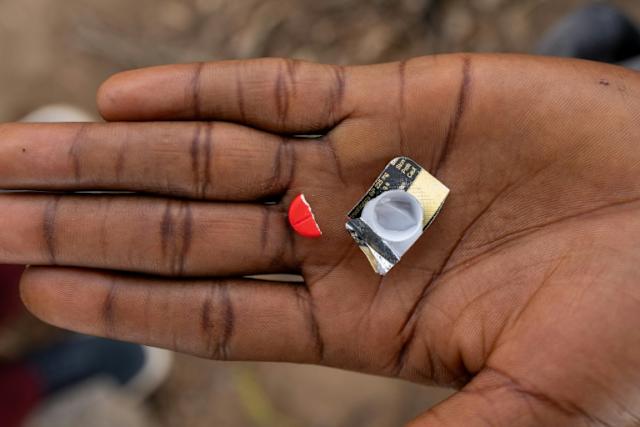


A powerful synthetic opioid manufactured in India has emerged as a major concern in West Africa, where it is allegedly fuelling a deadly drug crisis linked to the highly addictive street narcotic known as “kush.”
According to an investigation by AFP, millions of high-strength Tapentadol tablets are being illegally diverted into the black market across countries including Sierra Leone, Liberia, Nigeria, and Ghana.
The opioid, originally designed for severe pain management, is reportedly being crushed and mixed into “kush,” a dangerous street drug blamed for widespread addiction, severe mental health deterioration, and rising deaths in the region.
Health officials in Sierra Leone described the situation as extremely alarming. Ansu Konneh, Director of Mental Health at Sierra Leone’s social welfare ministry, said bodies linked to drug abuse are being recovered daily from streets, slums, and marketplaces. Reports indicate that over 400 bodies were collected in Freetown alone over a three-month period.
The controversy centres around high-dose 250mg tapentadol tablets, which are reportedly so potent that they are not approved for general production or use in India without special authorisation. Investigators found that some shipments were falsely labelled as “Harmless Medicines for Human Consumption” to bypass customs checks.
Authorities in Nigeria and Sierra Leone confirmed that the drug is illegal in their countries, while Ghana stated that tapentadol has never been approved there.
Despite India announcing a “zero-tolerance” crackdown on illegal opioid exports in February 2025, AFP reported that shipments worth millions of dollars continued to reach West African markets. The investigation traced several seized batches to manufacturing licence numbers linked to pharmaceutical firms based in Gujarat and Madhya Pradesh.
The Indian Drug Manufacturers’ Association defended legitimate manufacturers, arguing that companies cannot always control illegal diversion once products leave authorised supply chains.