
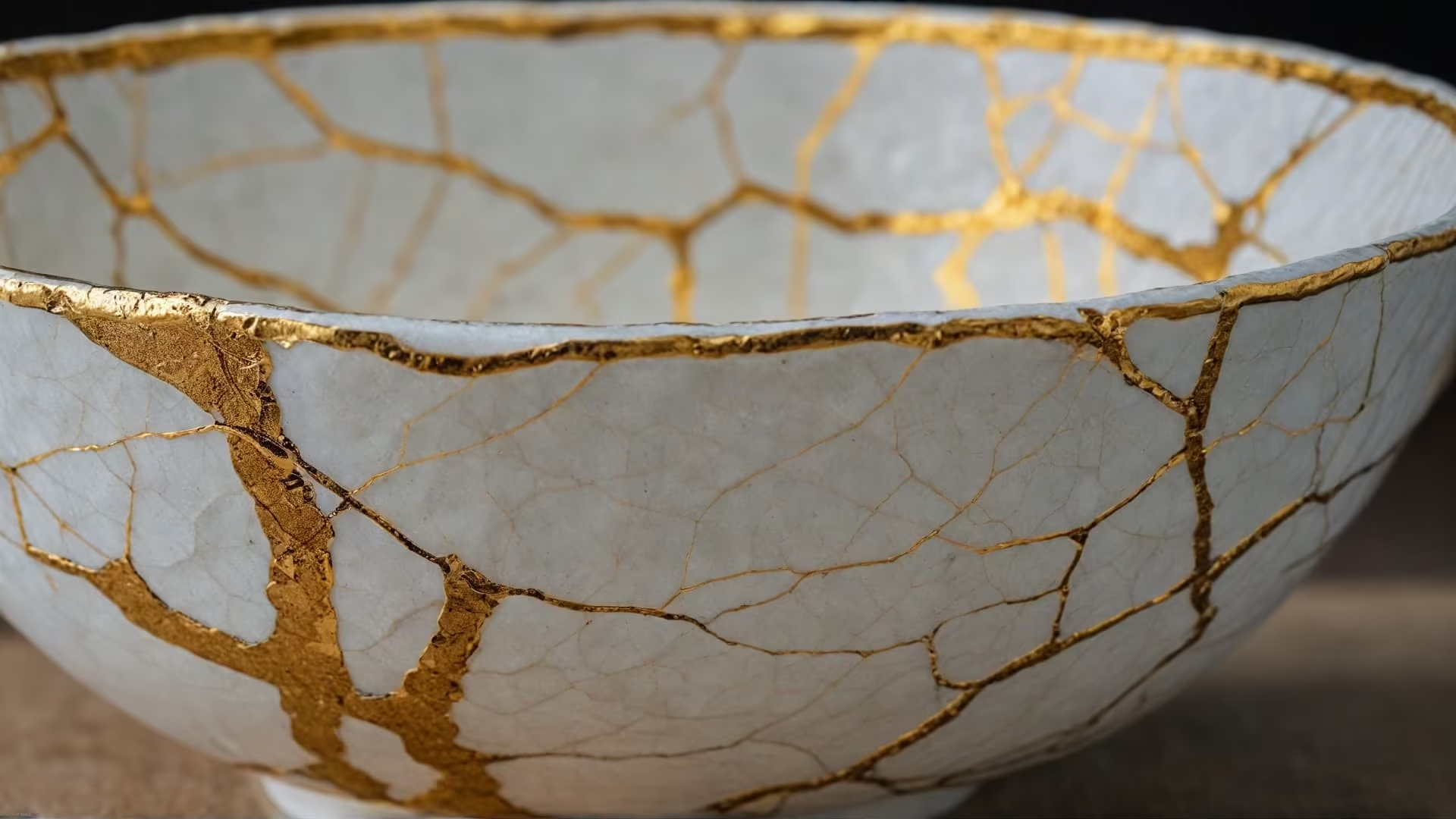


In a world obsessed with perfection, a centuries-old Japanese art form offers a different perspective. Known as Kintsugi, this unique practice transforms broken pottery into something even more beautiful by highlighting its cracks rather than hiding them. More than just a repair technique, Kintsugi has become a powerful symbol of resilience, healing, and the beauty of imperfection.
What Is Kintsugi?
Kintsugi, which translates to “golden joinery” or “golden repair,” is the traditional Japanese art of mending broken ceramics using lacquer mixed with powdered gold, silver, or platinum.
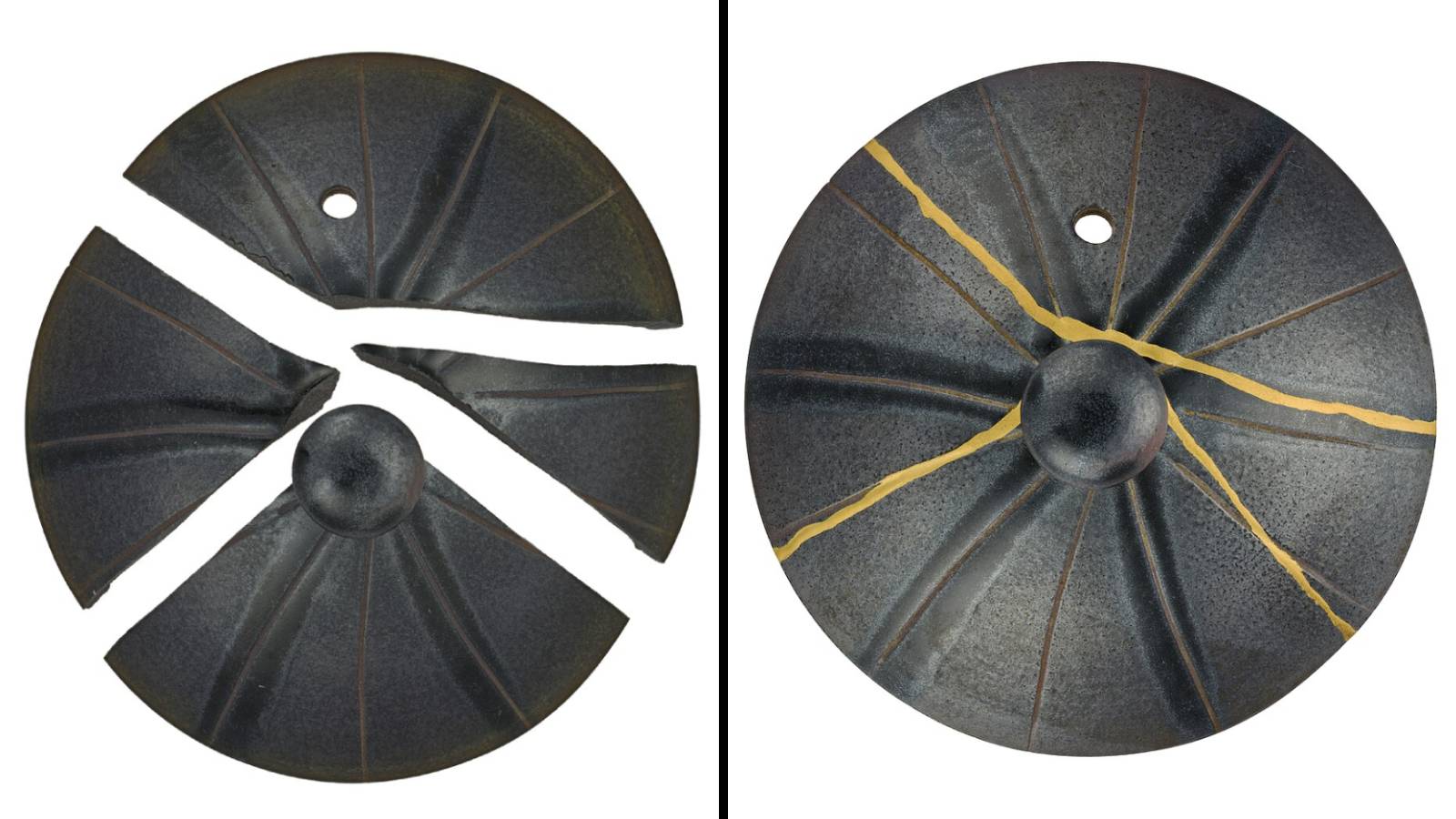
Instead of concealing cracks and fractures, the technique emphasizes them with shimmering metallic lines, turning damage into a striking design feature. Each repaired piece becomes unique, carrying a visible record of its history.
The Origins of Kintsugi
Kintsugi is believed to have originated in Japan during the late 15th century. According to popular legend, Japanese shogun Ashikaga Yoshimasa sent a damaged tea bowl to China for repair.
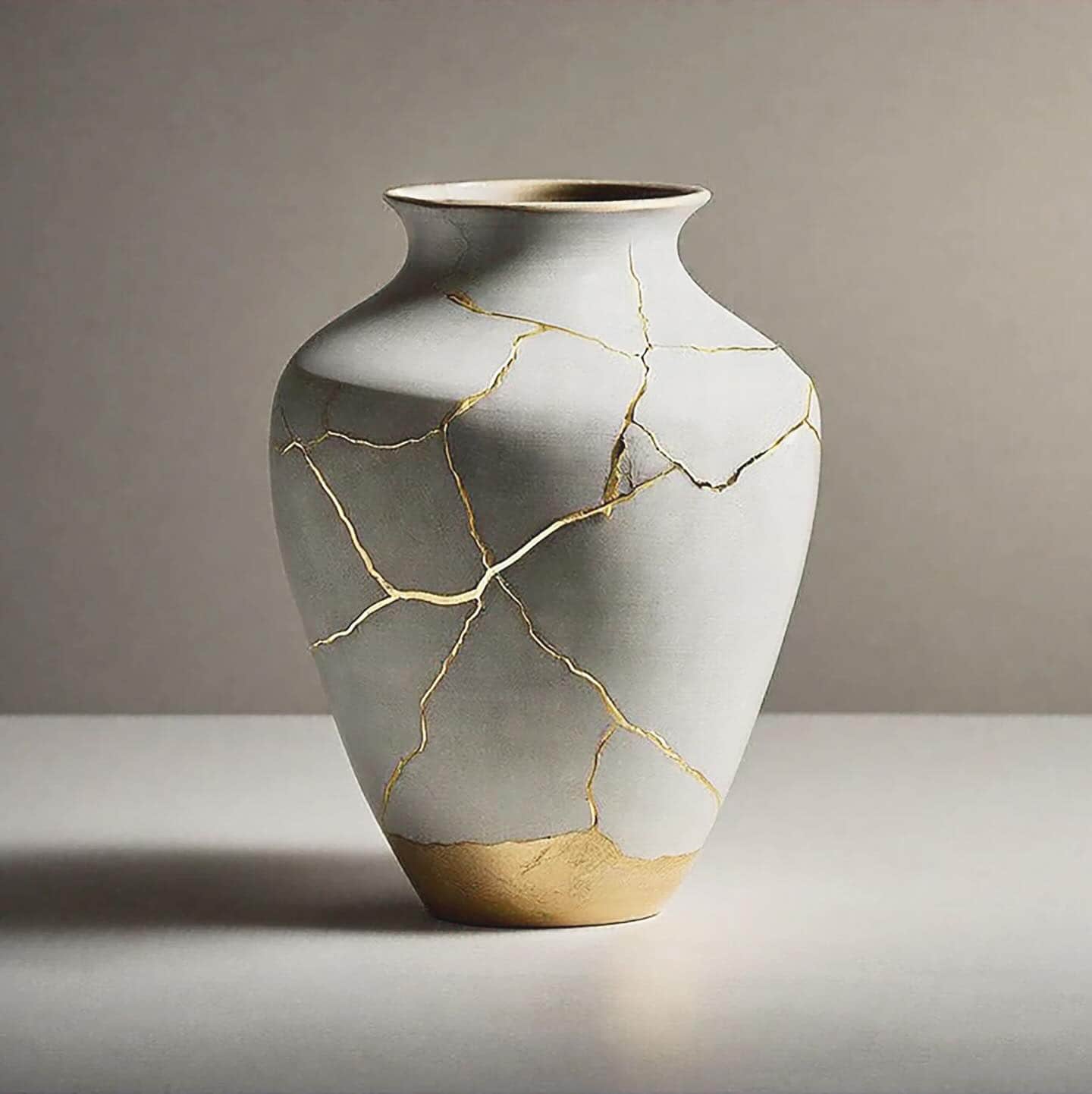
When the bowl was returned, it had been fixed with unsightly metal staples. Unhappy with the result, Japanese craftsmen developed a more elegant repair method that not only restored the object but enhanced its beauty. This innovation eventually evolved into the art of Kintsugi and became closely linked with traditional Japanese tea culture.
The Philosophy Behind the Art
Kintsugi is deeply connected to the Japanese philosophy of Wabi-Sabi, which embraces imperfection, simplicity, and the natural passage of time.
Rather than viewing flaws as something to hide or erase, Wabi-Sabi encourages people to appreciate them as part of life’s journey. In Kintsugi, every crack tells a story, making the object more meaningful rather than less valuable.
A Symbol of Healing and Resilience
Beyond pottery, Kintsugi has become a powerful metaphor for human resilience.
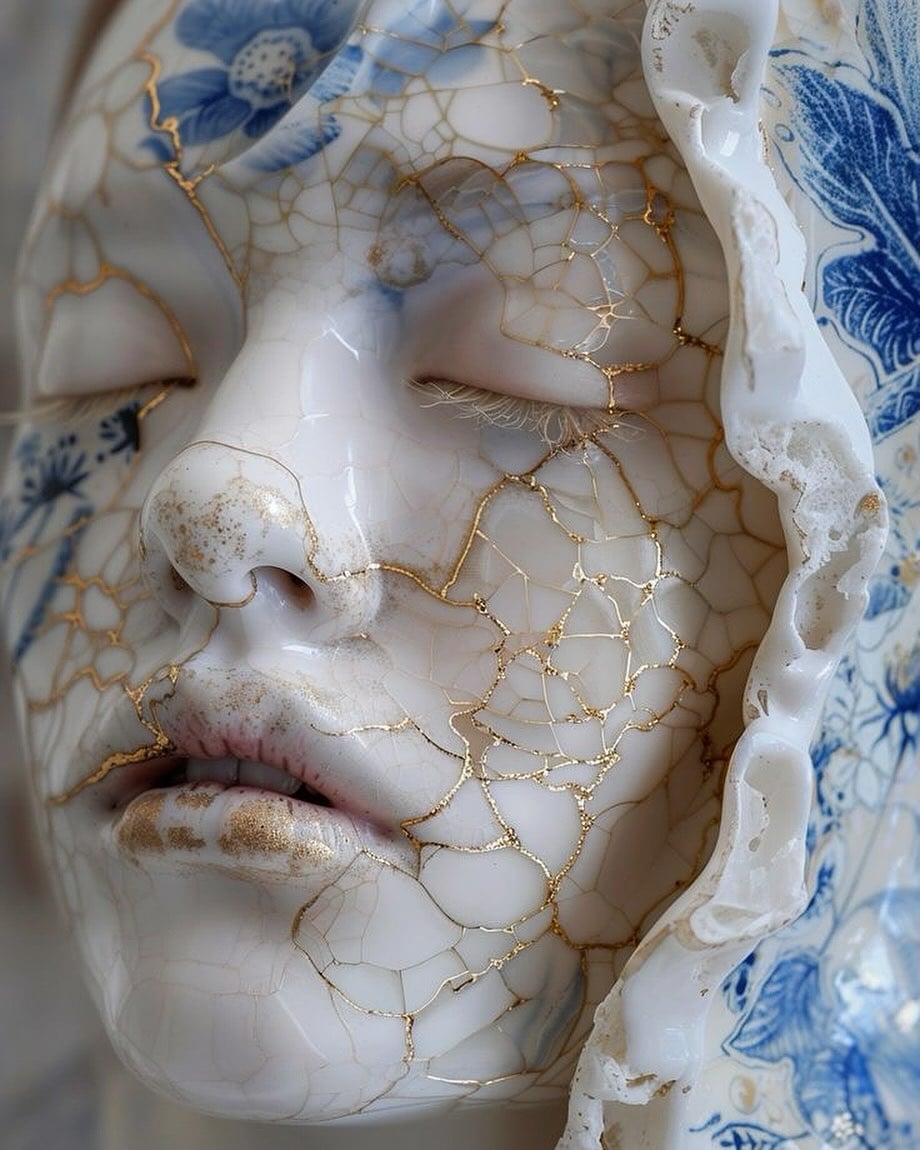
Many people see the golden repairs as a reminder that life’s challenges, losses, and setbacks do not diminish a person’s worth. Instead, healing from difficult experiences can add strength, character, and beauty. The philosophy encourages self-acceptance and reminds us that scars can become symbols of growth rather than weakness.
Why Kintsugi Resonates Today
In today’s fast-paced world, where social media often promotes unrealistic standards of perfection, Kintsugi offers a refreshing alternative.
Its message encourages people to embrace imperfections, learn from hardships, and appreciate authenticity. This philosophy has found widespread appeal among artists, therapists, designers, and individuals seeking a more compassionate view of themselves and others.
Kintsugi Beyond Pottery
The influence of Kintsugi now extends far beyond traditional ceramics. Its distinctive aesthetic can be seen in modern art, home décor, fashion, jewellery, and product design.
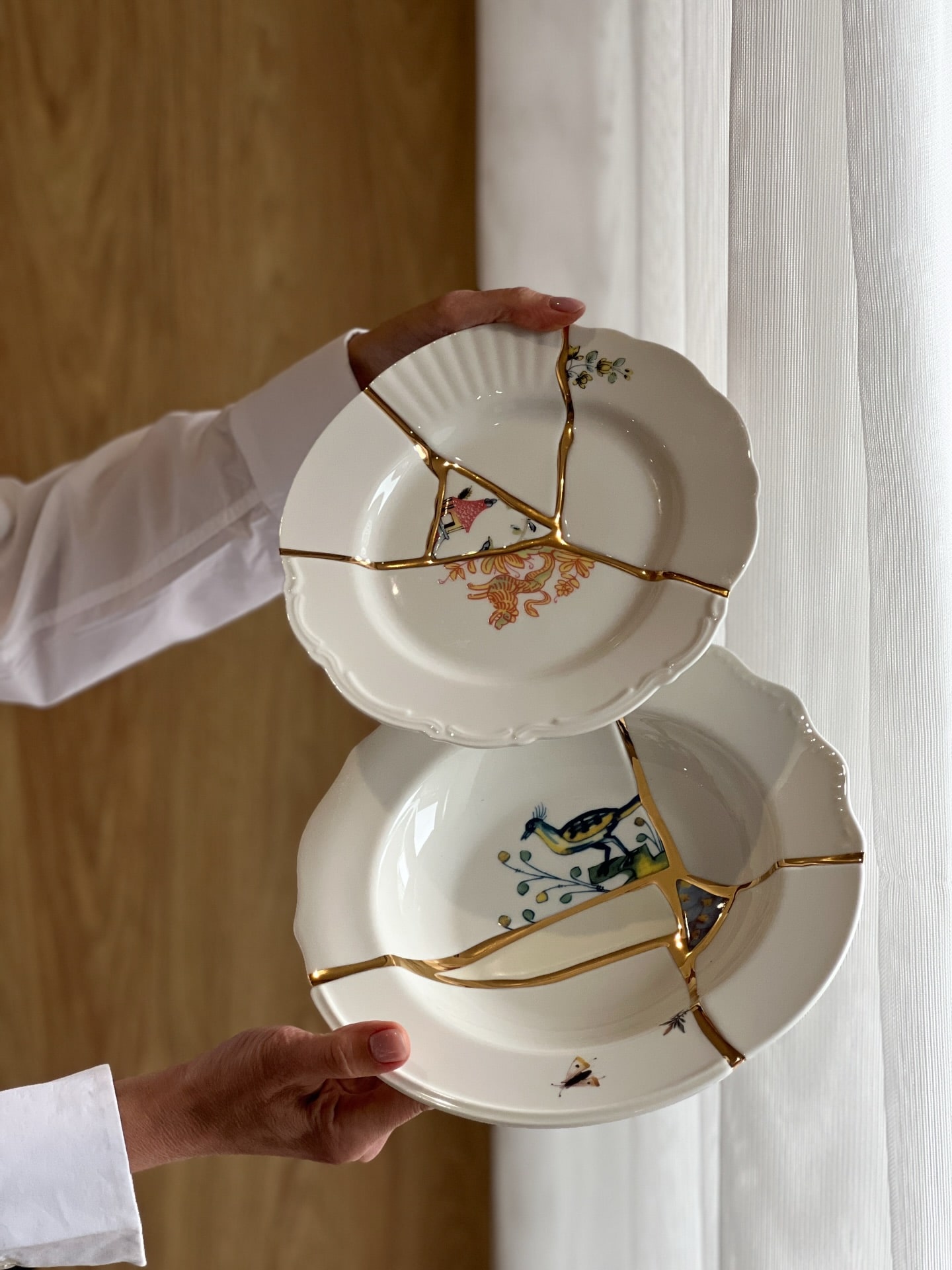
Contemporary artists continue to reinterpret the concept, using the symbolism of repair and transformation to create meaningful works that celebrate resilience and individuality.
A Lesson for Modern Life
At its heart, Kintsugi is more than an artistic technique—it is a philosophy for living. It teaches that broken things do not lose their value and that healing can create something even more beautiful than what existed before.
In a culture that often encourages replacement over repair, Kintsugi reminds us to honor our experiences, embrace our imperfections, and recognize that sometimes the cracks are what make the story worth telling.