
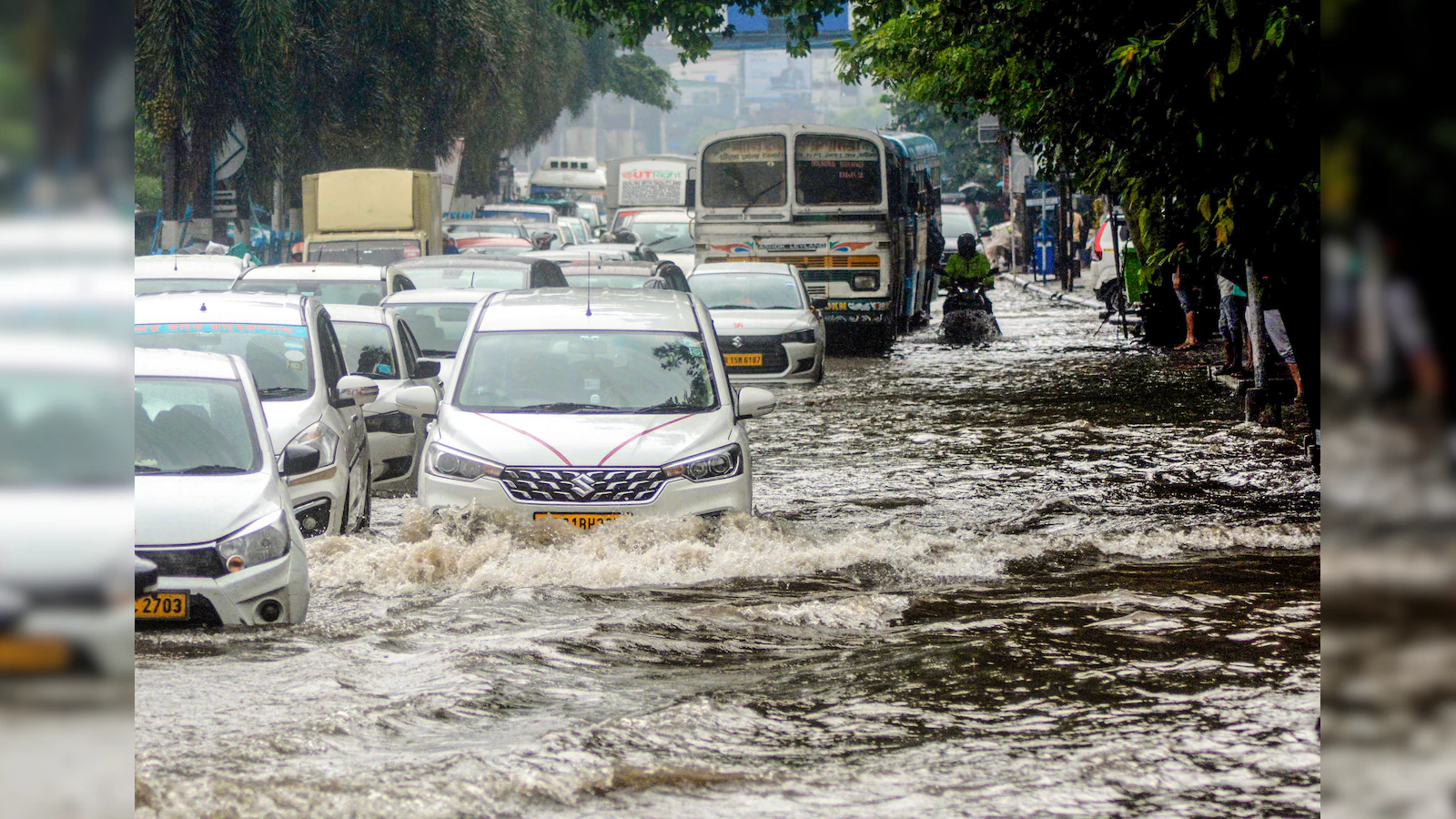


Although rainfall has temporarily eased across Delhi-NCR, health experts are warning that the lingering effects of the monsoon continue to create conditions that encourage the spread of several seasonal illnesses. Hospitals in the region are reporting an increase in respiratory infections, allergies, and water-borne diseases despite the break in showers.
The combination of high humidity, fluctuating temperatures, and stagnant water left behind by recent rains creates an ideal environment for bacteria, viruses, mould, and fungi to thrive. These conditions can trigger respiratory problems while also increasing the risk of infections caused by contaminated water.
According to pulmonologists, excess moisture inside homes promotes the growth of mould, fungi, and dust mites, particularly in damp walls, carpets, and poorly ventilated spaces. Exposure to these allergens can worsen asthma, allergies, and other chronic respiratory conditions, leading to symptoms such as coughing, wheezing, chest tightness, and shortness of breath.
The monsoon season also sees a rise in viral respiratory infections, including the common cold and influenza. People tend to spend more time indoors during rainy weather, often in enclosed or air-conditioned spaces where viruses spread more easily through close contact.
While rain may temporarily improve outdoor air quality by reducing dust, the damp environment can increase airborne mould spores and other microscopic particles that may irritate the respiratory system, especially among individuals with existing lung conditions.
Health experts say people most vulnerable during this period include those with asthma, chronic obstructive pulmonary disease (COPD), children, older adults, and individuals with weakened immune systems. Water-borne diseases such as typhoid, cholera, hepatitis A and E, and leptospirosis also remain a concern due to stagnant and contaminated water.
Doctors recommend keeping homes clean, dry, and well-ventilated, repairing water leaks promptly, cleaning air-conditioner filters regularly, maintaining proper hand hygiene, and wearing a mask when experiencing respiratory symptoms. Individuals are also advised to seek medical attention if symptoms such as persistent cough, fever, wheezing, or breathlessness do not improve or become more severe.