
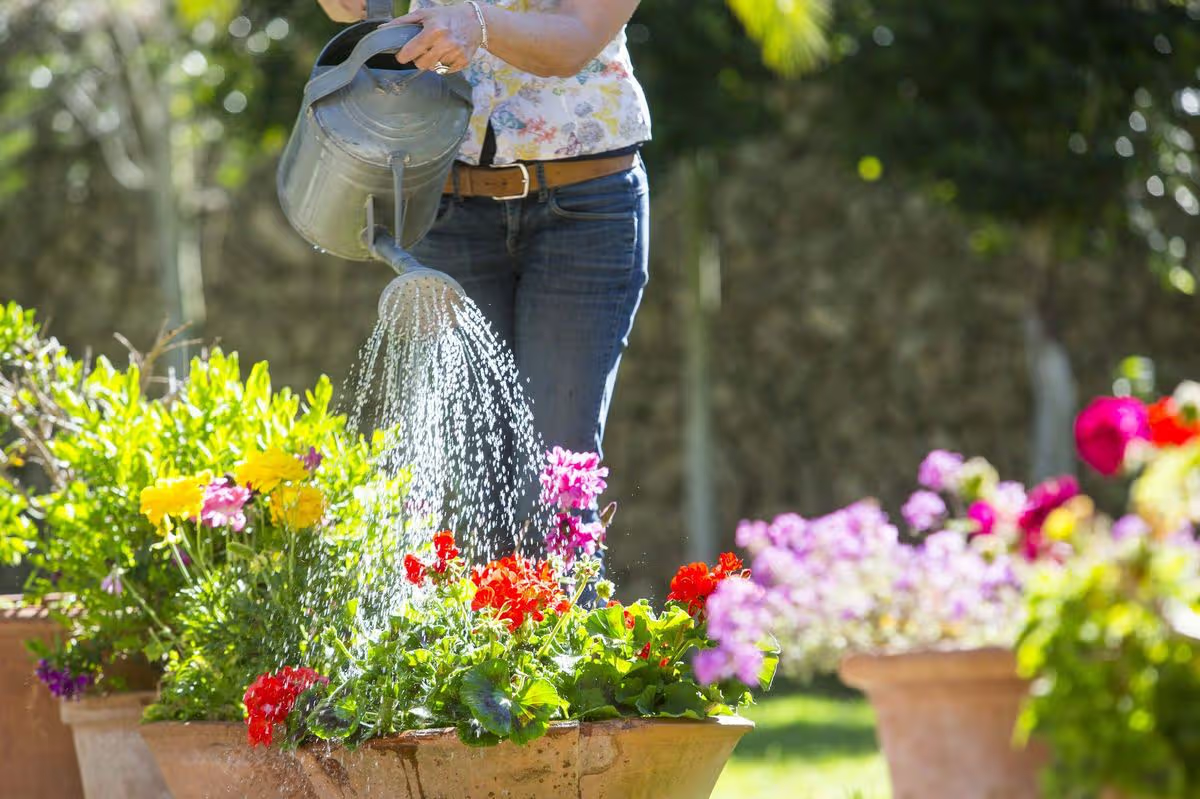


Extreme summer heat can be tough on plants, but surprisingly, giving them more water is not always the right solution. Gardening experts say many people unknowingly damage their plants during heatwaves simply by watering them the wrong way.
If your plants are looking dull, droopy or yellow despite regular watering, your watering routine may actually be causing more stress instead of helping.
Avoid Watering During Peak Afternoon Heat
One of the most common mistakes people make is watering plants during the hottest part of the day.
Under strong sunlight, water evaporates very quickly before it can properly reach the roots. In some cases, hot soil and heated water can also shock delicate plants.
Experts recommend watering plants early in the morning or later in the evening after 6 pm, when temperatures are lower and moisture can soak deeper into the soil.
Don’t Use Very Hot Water
The temperature of the water also matters more than many people realise.
Using extremely hot water, especially water stored in pipes or containers exposed to direct sunlight, may damage roots and stress the plant further. Clean, room-temperature water is considered the safest option during hot weather.
More Water Is Not Always Better
Many gardeners assume plants need constant watering during a heatwave, but overwatering can create another set of problems.
Too much water can reduce oxygen around the roots and lead to yellow leaves, root rot and weak plant growth. Instead of following a fixed schedule, experts advise checking soil moisture first and watering only when the top layer feels dry.
Mulching Can Help Plants Survive Extreme Heat
One of the easiest ways to protect plants during summer is mulching.
Adding dry leaves, grass clippings, straw or coconut husk around the base of plants helps lock moisture into the soil and keeps roots cooler. Mulch also reduces evaporation and helps control weed growth.
Watch For Signs Of Heat Stress
Plants under heat stress often show warning signs such as drooping leaves, dry edges, yellowing or slowed growth.
If this happens, move potted plants to a shaded area if possible and make sure the soil stays lightly moist without becoming waterlogged.
Small Changes Can Make A Big Difference
Garden experts say healthy summer plants depend more on smart watering habits than simply increasing the amount of water.
Watering at the right time, maintaining soil moisture and protecting roots from extreme heat can help gardens stay healthier even during severe heatwaves.