
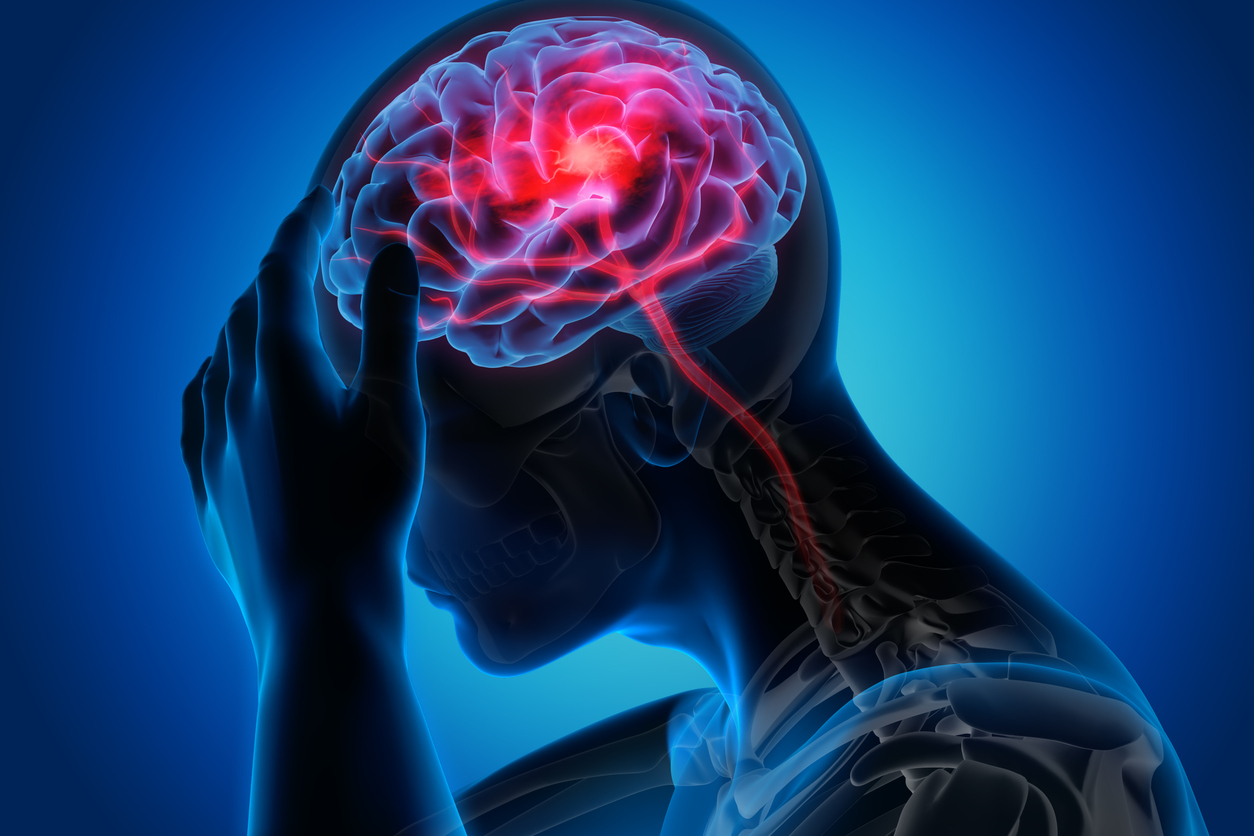


An 18-year-old boy from Kolkata was rushed to hospital after suddenly developing weakness on the right side of his body and difficulty speaking — symptoms usually associated with a stroke. What shocked doctors even more was that the teenager had no history of heart disease, chronic illness or any major health problems.
Initially, brain scans pointed to a blockage in the left middle cerebral artery, a condition that can cause severe paralysis or speech loss if not treated quickly. However, doctors felt that something about the case did not completely fit the usual stroke pattern seen in older adults.

Further investigations revealed a hidden and extremely rare cause — a large tumour inside the heart.
A Hidden Tumour Inside The Heart
Doctors discovered a nearly 6 cm growth inside the left atrium of the heart, close to the mitral valve. The tumour was identified as a cardiac myxoma, a rare non-cancerous tumour that can still become life-threatening because of its location.
The tumour had silently been releasing tiny fragments into the bloodstream. One of these fragments travelled to the brain and blocked blood flow, ultimately triggering the stroke.
According to Dr Atanu Saha, Senior Consultant in Cardiac Surgery at Narayana RN Tagore Hospital in Kolkata, the surgery was especially delicate because of the tumour’s fragile nature.
“A myxoma this close to the mitral valve leaves very little room for error. The tumour was soft and friable, and had to be removed entirely in one attempt because any fragmentation could send more emboli into circulation,” he explained.
Five-Hour Surgery Saved The Teenager
The teenager underwent a complex five-hour surgery performed by Dr Saha’s team. After the procedure, he required neuro-rehabilitation to recover movement and speech.
Over the next two weeks, his condition steadily improved, and he was eventually discharged from the hospital.
His father, speaking anonymously, shared that the experience deeply affected the family.
“My son has always wanted to become a doctor. This experience has brought him even closer to that dream. He is recovering well now and slowly returning to normal life,” he said.
The teenager is expected to appear for his board examinations next year.
What Is A Cardiac Myxoma?
Cardiac myxomas are rare benign tumours of the heart. Although non-cancerous, they can still be extremely dangerous because small pieces can break away and travel through the bloodstream.
These fragments may block blood vessels in the brain, lungs or other organs, leading to strokes, breathing complications or organ damage.
Medical studies show that cardiac myxomas account for nearly 50 per cent of all primary benign heart tumours. Most cases occur in adults between the ages of 40 and 60, making teenage cases extremely uncommon.
Nearly 85 per cent of these tumours develop in the left atrium — the same area affected in this case.
Why This Case Is Important
What made this case particularly difficult was the complete absence of warning signs. The teenager had no chest pain, breathlessness or visible heart-related symptoms before the stroke occurred.
Doctors say the case highlights the importance of taking stroke symptoms seriously even in younger individuals.
“The case highlights why stroke symptoms in younger patients should never be dismissed or automatically linked to temporary neurological conditions. Early imaging and detailed evaluation can uncover hidden causes before they lead to repeated strokes or permanent damage,” Dr Saha said.
Rising Stroke Cases Among Young Adults
Traditionally, strokes were considered a disease affecting older adults. However, doctors are now seeing a growing number of stroke cases in younger people due to lifestyle disorders, congenital heart conditions, blood clotting disorders and rare abnormalities like cardiac tumours.
Health experts say awareness, early diagnosis and rapid treatment remain critical in preventing long-term disability.
The case also underlines how modern imaging technology and multidisciplinary medical care can help identify rare conditions that might otherwise go unnoticed until it is too late.